
Are you old enough to do that in the United States? It all depends on what “that” is—and where!
In the United States, age requirements for various activities are set by federal and state laws. They vary depending on the activity and location.
Here’s an overview of age thresholds for key activities.
Age Limit by Federal Law
In general, anything under Federal jurisdiction is consistent across states. It’s the areas under state control that vary—and vary widely!
Civic Participation
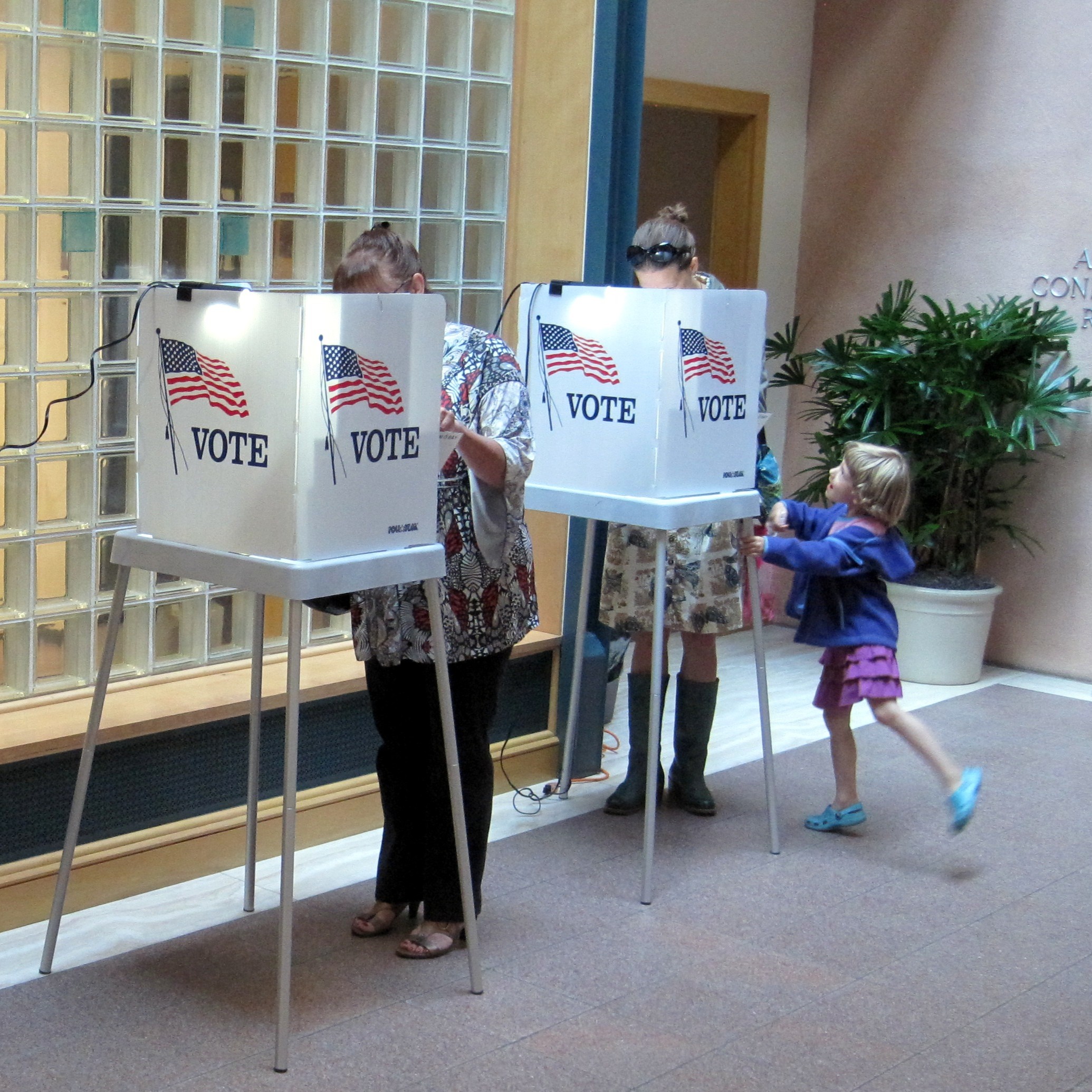
The minimum age to vote in federal, state, and local elections is 18 years old. The 26th Amendment, ratified in 1971, standardized the voting age for federal and state elections.
The minimum age to serve on a jury is also 18 years old.
The minimum age to enlist in the U.S. military is 17 with parental consent, 18 without.
Drinking and Smoking
Drinking Alcohol
The National Minimum Drinking Age Act of 1984 set 21 as the legal drinking age nationwide.

Smoking and Tobacco Use
In 2019, a federal law raised the minimum age for purchasing tobacco and vaping products to 21.
Driving Age Limit
The minimum age limit for driving varies by state, by vehicle use, and by level of supervision.
A driver must be 16 years old in North Dakota, South Dakota, and Montana for a full driver’s license. South Dakota and North Dakota drivers can get a learner’s permit at 14 and drive their parents’ car at 15. The age limit is 16.5, 17, or 18 in other states, though most states allow a learner’s permit at 15-16.
Some states offer “hardship licenses” for teens who can prove they need the ability to drive independently earlier than their peers. The family may rely on the teen to drive siblings, to go to school, to work in a family business (such as a farm), or for long-term medical reasons.
Driving Farm Vehicles
There is no specific federal age limit for driving farm vehicles on private farmland.

Many states allow youth as young as 14 or 16 to operate farm machinery on private property or on public roads under certain conditions (e.g., with supervision or during harvest season). South Dakota and Kansas permit 14-year-olds to drive farm vehicles with parental permission.
Generally, children under 12 are prohibited from driving farm tractors on public roads, but they may be allowed on private property under supervision. Some states have specific child labor laws for agriculture that allow minors aged 10 or 11 to work and operate certain farm equipment outside school hours under prescribed conditions, reflecting a recognition of agricultural work as a special case.
On public roads, the minimum age to drive farm equipment is often 16, aligning more closely with standard driving laws. However, many states have exemptions for farm use that allow younger drivers to have very limited public road use.
Age of Consent for Sex
Thirty states legally allow individuals aged 16 and older to consent to sexual activity, though some may have close-in-age exemptions or additional conditions that vary by state.
Colorado, Illinois, Louisiana, Missouri, New York, Texas, and Wyoming require teens to be 17 years old.
Age 18 is the law in Arizona, California, Delaware, Florida, Idaho, Kentucky, North Dakota, Oklahoma, Oregon, Tennessee, Utah, Virginia, and Wisconsin.
Marriage Age Limit

The minimum legal age for marriage is a bit complicated in the US, depending on the state and certain special circumstances. The trend has been to adjust the general marriage age downward and to raise the age for women to that of men. Until 1971, approximately 80% of states had a general marriage age of 18 for women, while for men the general marriage age was 21 in approximately 85% of states. In the U.S., 315,000 girls under the age of 18 were married between 2000 and 2021.
The minimum age at which a person can marry, with or without parental consent or other authorization, is set by each state and territory, either by statute or where the common law applies.
General Marriage Age
The general marriage age (lacking authorization for an exception) is the age of majority, 18 years of age in all states except two. In Nebraska, the general marriage age is 19. In Mississippi, the general marriage age is 21.
Alabama has them switched: the general marriage age is 18 while the age of majority is 19.
Underage Exceptions
When at least one of the marriage partners is under the general marriage age, the marriage is typically allowed with parental or judicial consent or both. The minimum underage marriage age, when all mitigating circumstances are taken into account, commonly ranges from 15 to 17.
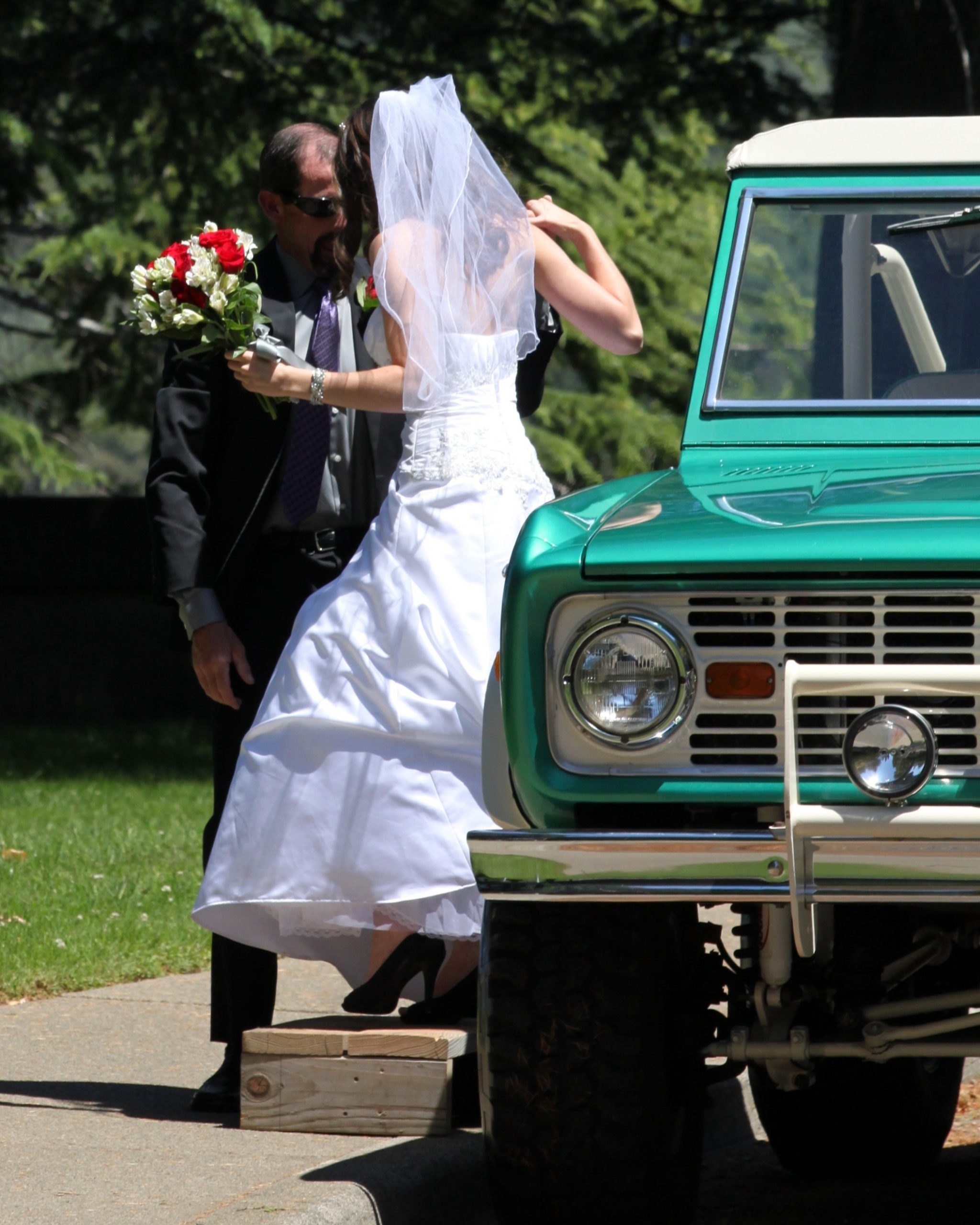
- As of April 2026, four states do not set any minimum age for marriage: California, New Mexico, Oklahoma, and Mississippi.
- Sixteen states completely ban underage marriage: Connecticut, Delaware , Massachusetts, Minnesota, New Jersey, New York, Pennsylvania, Vermont, Michigan, Rhode Island, Washington, Virginia, New Hampshire, Maine, Oregon, and Missouri.
- Many states include age gap specifications in their laws around marriage age. People over a certain age (20, 21, or 22) cannot marry a person under the age of majority.
Gambling

The age limit varies by state and type of gambling, generally 18 or 21 years old.
The states that allow legal gambling at the age of 18 are Florida, Georgia, Idaho, Minnesota, Montana, Oklahoma, and Washington.
In the U.S., lotteries, bingos, some tribal casinos, horse-racing, and sports betting are often allowed at 18. Casino table games and slot machines typically require players to be 21 or older.
Employment Age Limit
The minimum age for most non-agricultural work under federal child labor laws is 14, with restrictions on hours and types of work. Much like driving farm vehicles, the age limits for working on a farm come with many nuances and exceptions. The youngest workers—typically those aged 14 and 15—have the most restrictions.

Jobs with the Lowest Age Limit (14 or 15)
Office and Clerical Work

Cashiering and Sales (not operating heavy machinery)
Bagging and Carrying Out Customers’ Orders
Clean-up Work (floors, tables, and equipment, with restrictions on hazardous chemicals)
Kitchen Work in Restaurants (minors are still not allowed to cook with dangerous equipment like fryers or ovens)
Library and Museum Work (shelving books or guiding visitors)
Delivering Newspapers (with some state-specific rules)
Key Restrictions for Young Workers
- Cannot operate heavy machinery or power-driven equipment (with some exceptions like cash registers)
- Limited to working outside school hours
- Limited work hours on school days and during the school year (e.g., max 3 hours on school days, 8 hours on non-school days)
- Work permitted only between 7 a.m. and 7 p.m. (extended to 9 p.m. from June 1 through Labor Day)
Jobs Not Allowed for the Youngest Workers
- Manufacturing or mining
- Construction or excavation
- Operating motor vehicles or power-driven machinery (See farm children for exception)
- Cooking with open flames or fryers
- Working in warehouses or loading/unloading trucks
For 16- and 17-year-olds, more jobs open up, including some with power-driven machinery, but hazardous jobs remain prohibited.
Entertainment

The rules around children employed in entertainment are again full of exceptions and nuance. The US has come quite a long way since Judy Garland was given amphetamines and forced to work 72 hour shifts while filming The Wizard of Oz. Laws in different states mandate things like rest breaks, having an educator and guardian on site, trust funds, on-set conditions, and total hours worked for young performers.
In recent years, legislators have been grappling with the thorny issue of how to classify children who earn money for parents filming them in the home and posting online. If a parent’s primary income derives from documenting a child’s activities, tantrums, and play, which laws should protect the welfare of that child?
Purchasing Firearms

Age limits around purchasing firearms varies by type of gun and from state to state. The minimum age to purchase handguns from licensed dealers is 21 years old. However, many states allow people to purchase rifles and shotguns is 18 years old.
Despite this, based on reports from more than 297,000 adolescents in the U.S. ages 12 to 17, about 4.6 percent of teens carried handguns in 2019. Carrying a handgun is become significantly more common.
Boys reported carrying at a rate four times higher than girls — 6 percent versus 1.5 percent. Still, gun-carrying became twice as common among girls by the end of the study.
Watching R-Rated Movies
There is no federal law, but theaters typically require R-rated moviegoers to be 17 years old or accompanied by an adult.
Not in theaters? Nearly three-quarters of teens aged 13 to 17 have seen pornographic content online, with many exposed before their teen years.
Upper Age Limit
But minors aren’t the only ones affected by age limits. Several areas of life become illegal — or bureaucratically more difficult — for people above a certain age.
Some careers, including airline pilots, air traffic controllers, and some state judges have mandatory retirement ages. These tend to be careers that require fast reflexes or high mental engagement.
Other careers bar participants from joining past a certain age. Many law enforcement agencies will not accept new recruits if they are 30 or 40 years old. The various branches of the military have different limits on the age of new recruits. New Marines must be 28 or younger, but new members of the Army National Guard can be 42.
Most states will not allow a person to attend public schools past age 19, 20, or 21.
Driving is not illegal past a certain age, but states may require more regular and rigorous testing. Texas requires drivers over age 79 to renew their license in person and drivers over age 85 to renew their license every two years. Drivers in Maine over age 65 must renew their license every four years, complete with a vision test.
While there is no age cap on jury service, it is significantly easier for people above age 65 to request an age exemption.
Unofficial Upper Age Limits

There are many areas of life that, though not barred to people above a certain age, become more difficult.
In the workplace, older employees may face age-based discrimination, particularly when trying to find a new job. This is especially prevalent in the tech sector, though it is very difficult to prove.
The individual bodies governing each sport in the Olympics determine qualifications, including age limits, if any. Many sports require participants to be above a certain age. At the 2026 Milano Cortina Games, age limits ranged from 13 for skeleton sledding to 21 for biathlon. There is no official upper age limit, but the physical demands of most sports practically restrict competition at the highest level to young adults. Oscar Swahn , a Swedish shooter, holds the record for being the oldest Olympic participant (age 72 in the 1920 Olympics) as well as the oldest medalist (he was 64 when he won gold in the 1912 Olympics).
Youth hostels may restrict residents above age 35 or 40, but this is often waived if an applicant appears laid-back and capable of clambering into an upper bunk.

Lego packages include a suggested age range to indicate the difficulty of building. Classic sets of non-specific bricks are marked as suitable for ages 4-99. Perhaps people lose the ability to enjoy Lego when they turn 100!
Bottom Line: Even within the United States, if you want to be legal, check relevant laws by state and activity.