CHRISTMAS DAY IS FOR EVERYONE

As a National Holiday, when hardly any businesses are open, nearly everyone in the US has a day off. What do non-Christians and non-religious people do on Christmas Day?

Other Religious Traditions

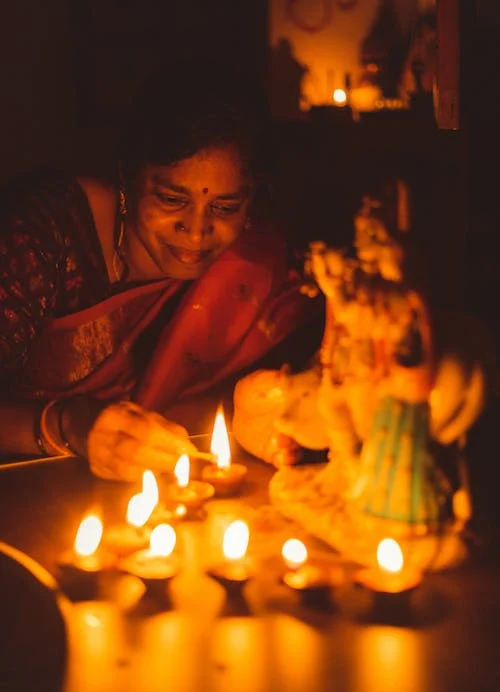
Many religious traditions include a midwinter holiday, and those celebrations occasionally fall on December 25th. Even when they don’t, many faith communities take advantage of a day off from work and school to celebrate together.

Being Jewish or Buddhist on Christmas Day

In 2024, Hannukah and Christmas fell on the same day. However, this synching only happens about five times in a century.

I have a Jewish friend whose family tradition was to go to the movies. Most major U.S. theater chains are open on December 25th with early-afternoon showtimes and full or modified schedules. However, some have holiday surcharges.

One year when viewing Christmas decorations in the neighborhood, my Chinese-American granddaughter said, “We’re Buddhists and we don’t have holidays, but we celebrate Christmas as a cultural tradition.” Her family decorates a tree, exchanges gifts, etc.

Another family I know who practice Buddhism, and do not subscribe to any particular religion, traditionally go to a Chinese restaurant. Virtually all Chinese restaurants are open and Christmas Day is among the busiest days of the year for many.

Although the family I mentioned is Buddhist, eating Chinese food on December 25th is a widespread tradition among Jewish Americans. This practice began as far back as the 19th century, often attributed to the proximity of Jewish and Chinese American communities in Manhattan’s Lower East Side. Today, the tradition has spread across America. One Chinatown restaurant in Chicago reported that in 2003 “I think we had the entire Jewish community here”, with their 350-seat restaurant being completely booked on December 25.

Being Muslim on Christmas Day

What about Muslims? Although Jesus and Mary are central to the Muslim faith, Christmas isn’t necessarily treated as a religious holiday. As far as I could find, there is no stand-out tradition in the Muslim community. Some treat it as a normal day, and rest or attend to personal matters. Others participate in celebrations or visit family, with many emphasizing maintaining good relations and respecting others’ traditions.

According to Fawzia Mirza, celebrations on the day often involve “auntie and uncle” parties with other U.S. South Asians. And also bowling! “The favorite Muslim pastime is bowling. Not on the day itself, but it’s like everyone else is visiting family and opening presents—we’re going bowling.”

Not every bowling alley is open on December 25th. Typically, hours are shortened and may vary by date, so check local hours and reservations if you’re interested.

Secular Traditions

Atheists and agnostics often celebrate Christmas non-religiously as a cultural holiday—focusing on family, friends, feasting, gifts, and togetherness, sometimes attending Unitarian services or enjoying secular traditions.
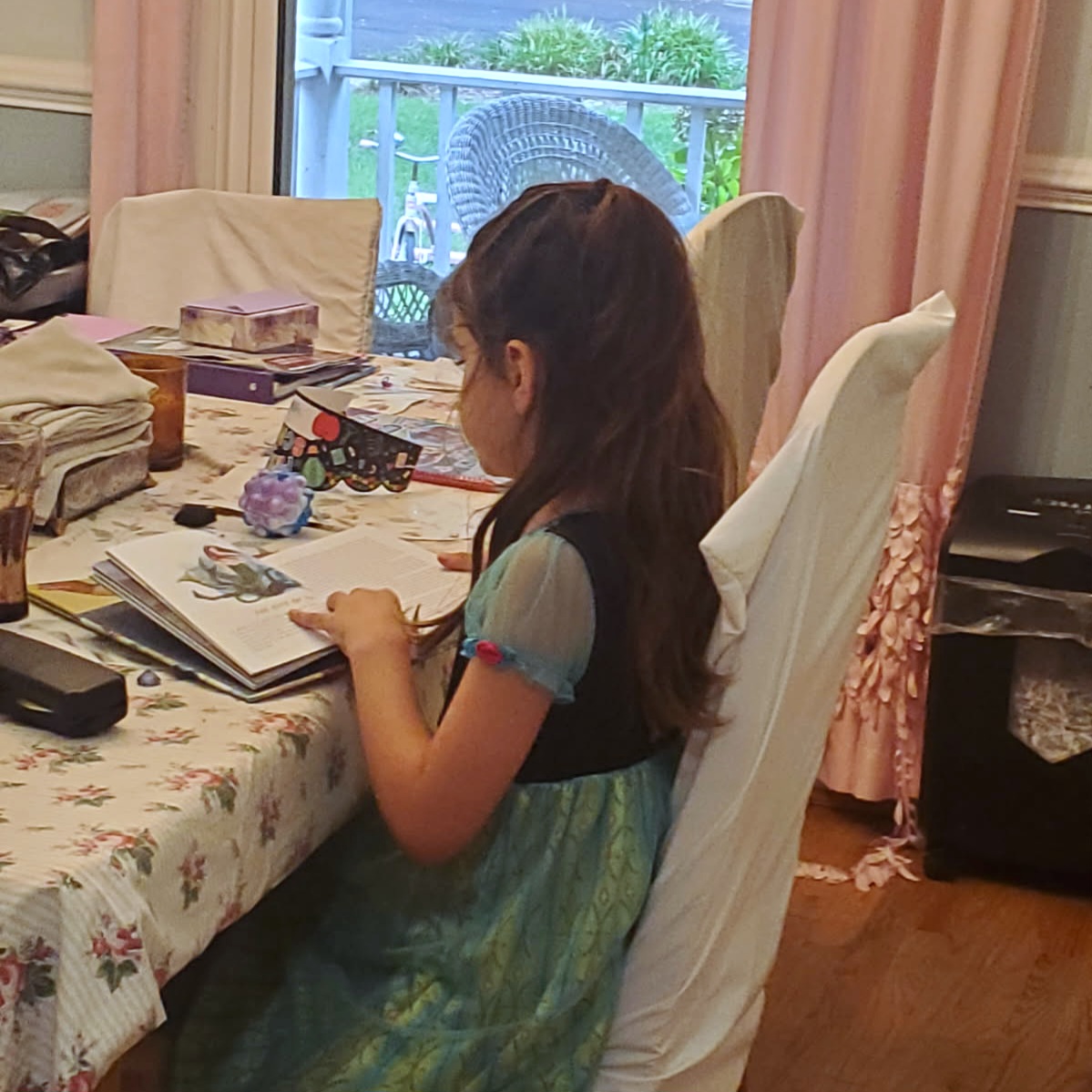
With this huge emphasis on family, what if you are alone—by choice or otherwise?

Consider spending Christmas Day alone as an opportunity for self-care and personal activities you enjoy, such as treating it like any other day, embracing solitude, and doing a mix of reflective, enjoyable, or meaningful tasks you choose. A friend is planning to spend the day alternately sewing dance costumes and playing video games.

And if you want ideas, there are many suggestions online!

Bottom Line: Christmas Day is coming, no matter what. Find a way to make the most of it—maybe start your own tradition!


Self-Soothing

“Self-soothing” refers to behaviors people use to regulate their emotional state by themselves. It’s a strategy used to regain equilibrium after an upsetting event, or when facing a stressful situation. (For example, when a child’s parents argue, or an older person has to make a public presentation.)

Self-soothing behaviors are often apparent early in life, and are calming or comforting for a child or adolescent. Infants, for example, may be seen repeatedly sucking fingers or thumbs, hugging a toy or blanket. These habits may continue for years.

Self-soothing behaviors are repetitive/habitual in nature—and are often not consciously applied. Do you touch your hair, twist a ring, straighten your tie, etc.? Noticing when you engage in such behaviors can help you recognize mildly tense or stressful situations. It’s another form of self-awareness.

Following a shock, a traumatic or upsetting event, all people need soothing. In these more intense situations, two common self-soothing behaviors include reaching for an alcoholic drink or a tub of ice cream or other emotional eating. However—as you no doubt know—these kinds of self-soothing behaviors can cause additional problems.

Several self-soothing behaviors can lead to other problems: binge-watching TV, compulsive gaming, or internet surfing. Many superheroes have unhealthy self-soothing behaviors, including Jessica Jones and Iron Man.

Constructive Methods of Self-Soothing

Positive Psychology published an article suggesting several more positive strategies: “24 Best Self-Soothing Techniques and Strategies for Adults.” The following 7 suggestions quoted below are included in that article.

1. Change the Environment

If possible, just change the environment for a few minutes. Go outside and focus on greenery or find a soothing indoor space with a pleasant view or ambiance.

(The origin of the “Green Room” in theaters may stem from Elizabethan actors resting “on the green” between scenes to calm their eyes and their nerves. As the wavelength of green light causes the least strain on the human eye, those Elizabethans may have been on to something!)

2. Stretch for Five Minutes to Move Any Blocked Energy

For best results, try to put your chin between your heels.

Often, after upsetting news or a shock, our bodies respond by freezing and energy gets blocked. A few simple trunk twists, neck rotations, or bends at the hip to touch the toes can help shift stagnant energy.

(Even without a shock, our bodies tend to store tension and stress in our backs, shoulders, and necks. Stretching these areas can prevent headaches and improve circulation.)

3. Take a Warm Shower or Bath

Treat yourself with soothing body wash or bubbles and a fresh, soft towel afterward.

(For best results, do not use overly hot water and avoid scrubbing too hard. If hot water is not available, you can turn to oil, smoke, some types of mud, or simple cold water to achieve cleanliness and promote peace of mind.)

4. Soothing Imagery

Find soothing things to look at such as a burning candle, soft lights, pictures of loved ones, favorite places, or perhaps some framed inspirational resilience quotes or affirmations.

(The color green is most restful to the human eye, but some evidence suggests that other colors may have a calming effect on stress and mood. According to the principles of chromotherapy, surrounding oneself with blue, purple, or white can calm, soothe, and relax the central nervous system.)

5. Soothing Music

Harpist Carlos Reyes

Listen to favorite tracks that have a calming effect or one of the many relaxing music videos for stress relief that are available online.

(Harp music in particular has a soothing effect on the body as well as the mind. Research has shown that listening to harp music improves pain management, blood pressure, and heart rate regularity.)

6. Soothing Smells

Create pleasant smells by using an essential oil diffuser, scented candle, or incense. Also, try using scented hand lotion.

(The most soothing scent of all!)

7. Self-Compassion

Speak compassionately to yourself aloud. Talk to yourself like a good friend would. Give yourself the grace to be off-balance and the space to just be as you are for a while.

Soothing Every Sense

When people experience high levels of stress or discomfort often, some therapists recommend making a self-soothing box that includes objects or reminders of how to soothe all five senses:

  • Comforting smells such as scented candles, essential oils, or body lotion
  • Pleasant tastes such as herbal teas or favorite snacks
  • Soothing things to touch such as a favorite sweater, wrap, or stress ball
  • Comforting sights such as photos of loved ones, pets, or favorite places
  • Soothing sounds such as a favorite piece of music or guided meditation track

Most of us are familiar with people soothing other people—a hug, a back-rub, a shoulder to cry on. During COVID, when interpersonal soothing was less available, researchers studied the benefits of self-touching (Dreisoerner et al., 2021). They found that both self-soothing touch (in this study, most participants chose to place their right hand on their heart and their left on their abdomen while focusing on the rising and falling of their breath) and receiving a hug from another person were equally effective at lowering stress levels.

When adults are distressed, it’s difficult to regulate potentially disruptive emotions like anger, fear, and sadness, especially in a public space such as the workplace. If you want to explore self-soothing further, just look online. You will find lists of techniques from 8 to 100. Surely there’s something there for everyone.

Bottom Line: Everyone experiences distress of various sorts and at various levels. Self-soothing is a life skill worth learning.