THE IMPORTANCE OF HAIR!

What people notice first is the visual appearance of head hair. Indeed, I wrote a whole blog about head hair (Hairy Issues, May 27, 2025). But hair is much more than grooming!

Cultural and Social Importance

Identity and Expression: Hair is a powerful tool for self-expression. Hairstyles, colors, and length often reflect personal identity, cultural heritage, and social status. Hair length and cut often signal biological sex.
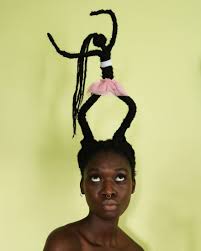
(photo) Laetitia Ky, a hair artist from Cote d’Ivoire

Symbolism

Rastafarians wear their hair long to symbolize their connection to the Biblical Samson.

Hair can symbolize various traits across cultures.

Freedom and Rebellion: Long, uncut hair often signifies a desire for freedom (e.g., hippie movement) or spiritual devotion (e.g., sadhus in India).

Religion and Spirituality: In many cultures, hair holds spiritual significance. Sikhs do not cut their hair as a sign of respect for God’s creation. Buddhist monks and nuns shave their heads to symbolize detachment from worldly desires. At least 14 religions have requirements or “recommendations” about hair length, style, and/or covering.

Rituals and Rites of Passage: Haircuts or hairstyles mark significant life events (e.g., first haircut in some cultures, mourning practices where the bereaved cut their hair or leave it uncut).

Social Status and Profession: Hairstyles can indicate profession (e.g., military buzz cuts) or social rank (e.g., elaborate hairstyles in royalty or aristocracy).

Biology and Health

What comes next to mind probably relates to temperature, for example hair up (pony tail, etc.) off the neck in hot weather.

Thermoregulation: Hair helps regulate body temperature by trapping heat close to the skin in cold conditions and aiding in sweat evaporation in hot conditions. We don’t often think about it, but scalp hair may help stabilize brain temperature.
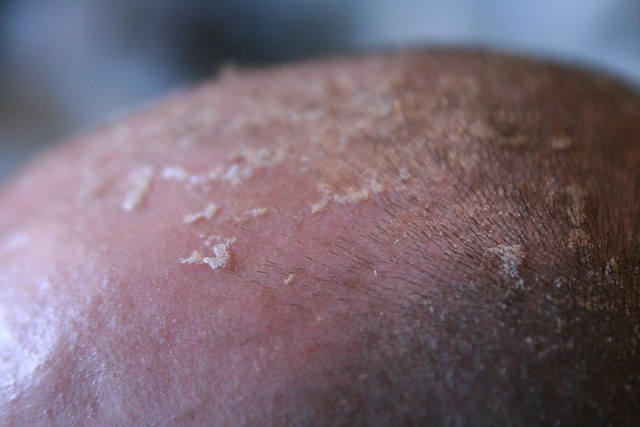
Protection: Hair on the scalp protects the head from UV radiation and minor injuries. Tightly curled hair provides more protection from solar radiation (which is particularly strong around the Equator) than straight hair. Eyebrows and eyelashes shield the eyes from sweat, dust, and other debris.

Sensory Functions: Hair follicles connect to nerve endings, making them sensitive to touch, temperature, pain, and fear.
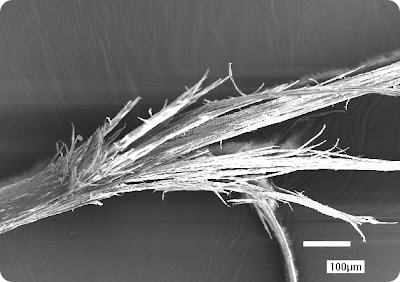
Indicator of Health: Changes in hair texture, thickness, or loss can signal nutritional deficiencies, hormonal imbalances, stress, autoimmune diseases, or underlying health conditions (e.g., thyroid disorders, alopecia). Hair is also used to assess exposure to substances.

Age: Pattern baldness and hair loss frequently advance with age. Ditto hair color/pigmentation loss.

Economic and Industrial Importance
Beauty and Cosmetics Industry: Hair care is a major source of profit in the beauty industry, from such products as shampoos, conditioners, dyes, and styling tools. The global hair care market is valued at billions of dollars annually.

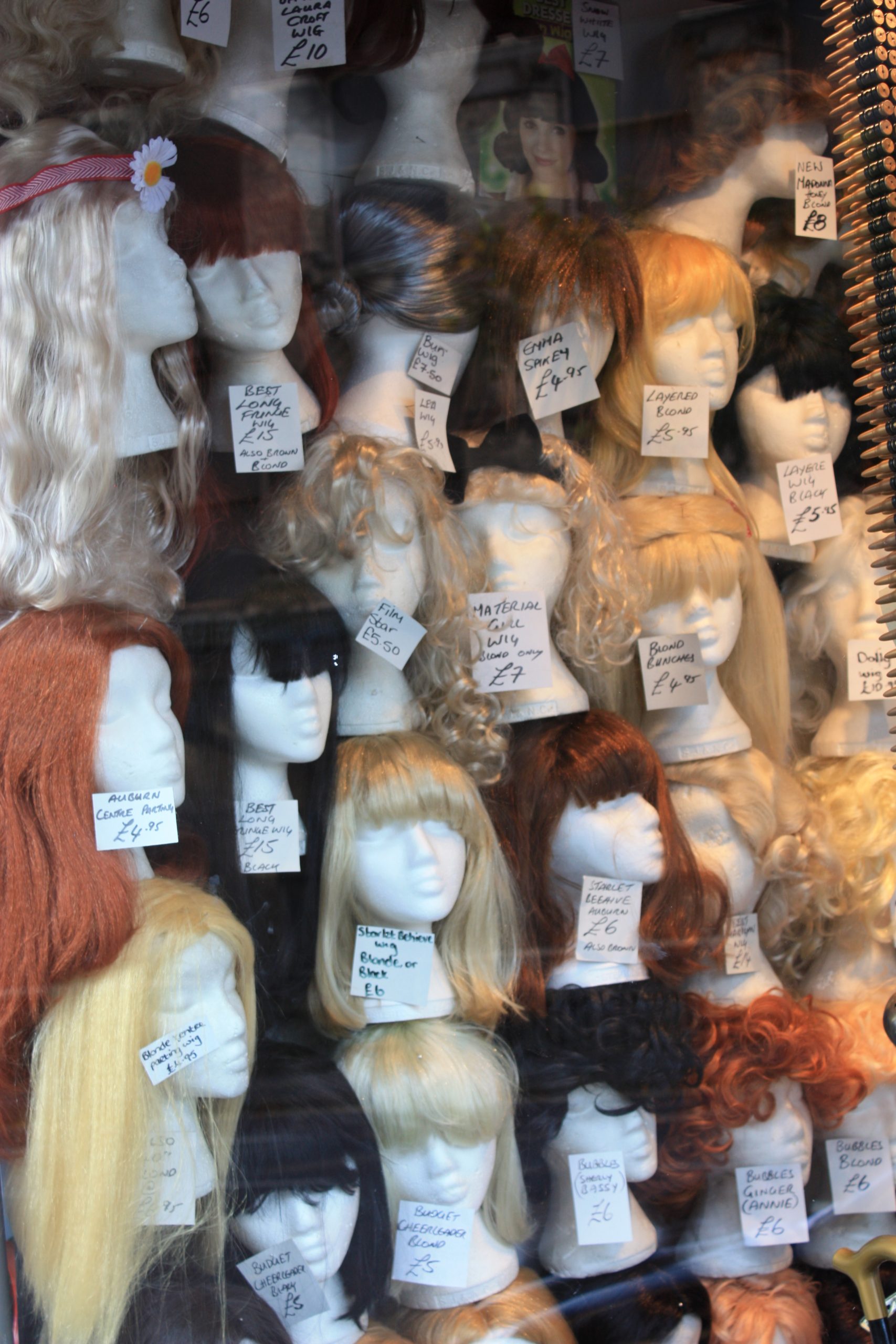
Wigs and Extensions: Wig makers highly prize human hair for wigs, extensions, and hairpieces for cosmetic purposes, especially for cancer patients.

Textiles and Materials: Animal hair (e.g., wool, cashmere) is used in textiles, but human hair is also repurposed in some industries (e.g., for making felt).

Recycling and Sustainability
Human hair is increasingly recycled for environmental purposes.

Oil Spill Cleanup: Hair absorbs oil, making it useful for cleaning up environmental disasters.

Fertilizer and Compost: Hair decomposes slowly and adds nitrogen to compost.

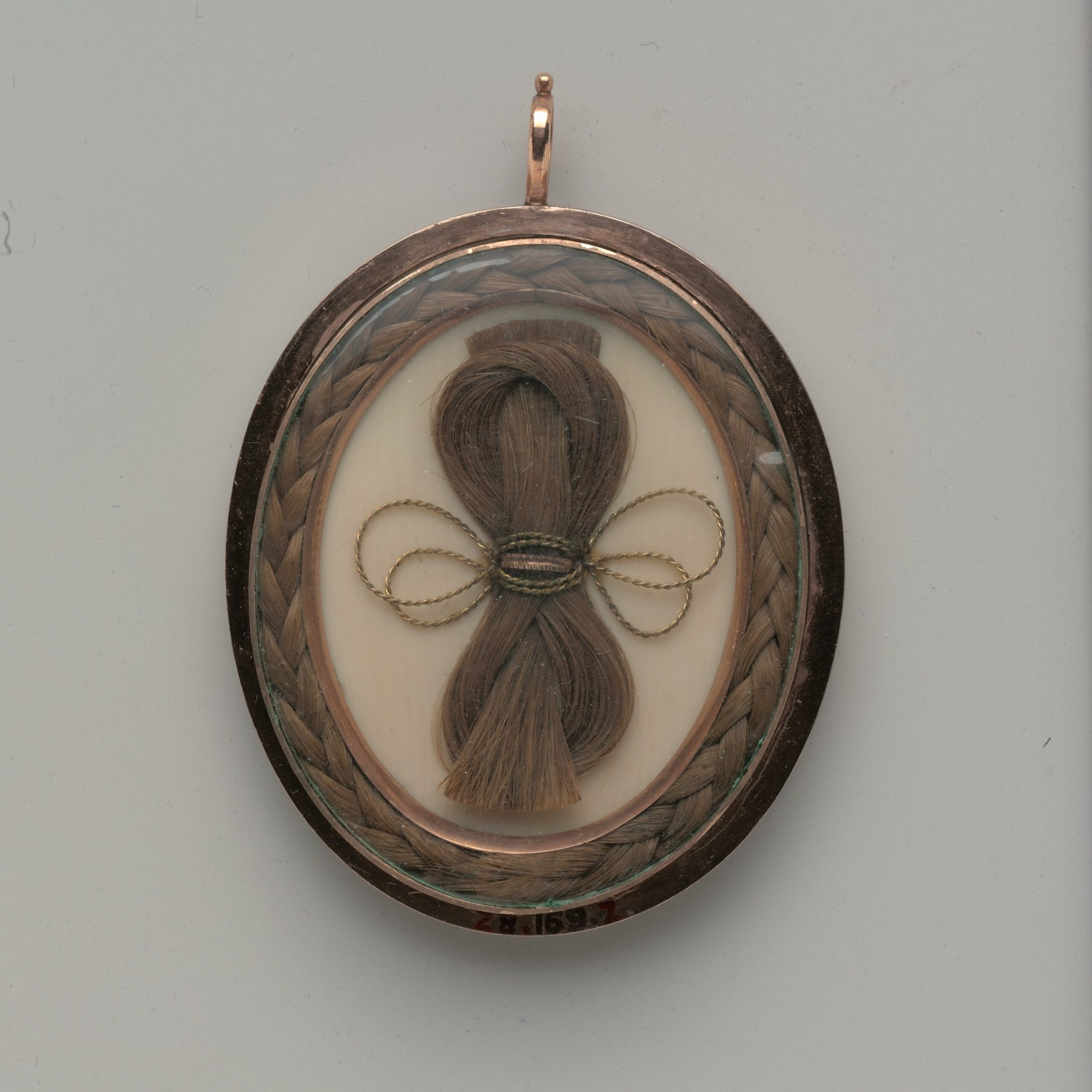
Art and Crafts: Particularly creative people up-cycle human hair into jewelry, sculptures, or other art projects.

Environmental Impact

Biodegradability: Unlike synthetic fibers, human hair is biodegradable, reducing microplastic pollution when discarded. However, it takes several years to break down, so large amounts of it can still cause volume problems.

Waste Reduction: Recycling hair diverts waste from landfills and reduces the environmental footprint of industries like beauty and fashion.

Scientific Hair Uses

Forensic Uses

DNA Analysis: Forensic investigators can use hair to identify individuals or determine ancestry.

Toxicology: Hair analysis can detect drug use, poisoning, or exposure to certain chemicals over time.

Historical and Archaeological Insights

Reconstruction of Ötzi

Hair can survive for thousands of years under the right conditions, providing insights into ancient diets, health, and lifestyles (e.g., analysis of Ötzi the Iceman’s hair).

Psychological and Emotional Significance

Self-Esteem and Confidence: Hair can significantly impact self-image and confidence. Hair loss or changes in hair health can affect mental well-being.

Memory and Sentiment: People often preserve locks of hair as keepsakes (e.g., baby’s first haircut, memorial locks) to commemorate loved ones or significant life events.

Ethical and Compassionate Considerations

Animal Welfare: Using human hair instead of animal-derived materials (e.g., fur) can align with ethical and compassionate values.

Sustainability: Supporting businesses that recycle or up-cycle hair contributes to a circular economy and reduces environmental harm.

Controversies and Challenges

Exploitation: The hair industry has faced criticism for exploitative practices, such as unethical sourcing of human hair without fair compensation (e.g., from underprivileged communities).

Cultural Appropriation: Hairstyles rooted in specific cultures are sometimes adopted without acknowledgment or respect, leading to debates about cultural appropriation vs. appreciation.

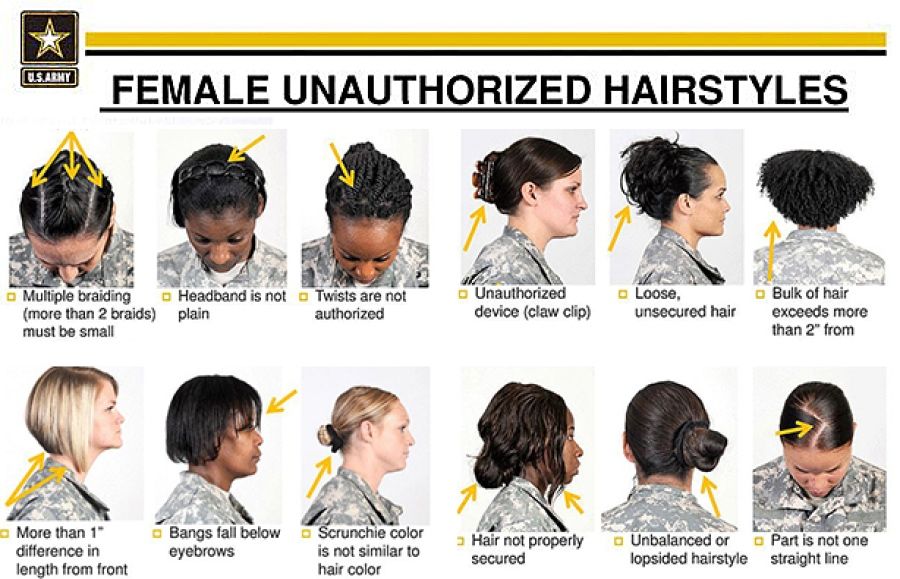
Targeted Regulations: Many organizations adopt grooming standards that ban hairstyles disproportionately used by members of a particular ethnic, racial, or cultural group.

Health Risks: Poor hair care practices or excessive use of chemical treatments can damage hair and pose health risks (e.g., scalp irritation, chemical burns).

Sustainable Alternatives and Innovations

Hair Recycling Programs: Organizations like Hair We Share and Locks of Love collect donated hair to make wigs for those in need. Hair must be at least 10 inches long, measured tip to tip, to be used in a hairpiece. Some organizations accept shorter donations, which they might sell to offset costs or repurpose for environmental projects. Many salons participate in programs that collect waste hair for recycling.

Biotechnology: Scientists are exploring lab-grown hair follicles as a sustainable alternative for medical and cosmetic uses.

Vegan and Cruelty-Free Products: Many brands now offer plant-based or synthetic alternatives to human hair in wigs and extensions.

Bottom Line: Hair is important in virtually every aspect of people’s lives—culture, biology, even environmental sustainability.

HAIRY ISSUES

Fun fact: About 95% of your total skin area is covered in hair. Who knew you were so, well, hairy?! (wella.com)

But when speaking of someone’s “hair” the usual meaning is hair growing from the scalp, although less frequently facial, pubic, and other body hair. This blog will focus on head hair.

Discrimination in Hair Care

Historian Ibram X. Kendi wearing locs (Steven Voss)

Hair care routines differ according to an individual’s culture and the physical characteristics of one’s hair. In the United States, my search for “ethnic hairstyles” turned up only Black hairstyles. Here are a few examples:

Jada Pinkett Smith sporting Bantu knots as Niobe in Matrix Reloaded

Shamefully (in my opinion) these and many other distinctive hairstyles have been forbidden in schools and work settings—historically, but still today. Even when not dealing with outright bans, people wearing these hairstyles often still face discrimination at work, when seeking medical care, at school, while shopping, even while seeking housing.

Although Black people, especially women, are aware of hair styles as part of their self-concepts, I venture to suggest that many women (and some men) are deeply committed to their hair as an expression of their unique identities.

Hairy Length

Some people don’t ever cut their hair, for religious, fashion, or cultural reasons.

One of the most obvious and most noticeable hair variations is length.

Fun fact: According to Wella, when you add up how much each hair on your head grows over a year’s time, you get 10 miles worth of hair!

Hair can be any length, of course. For the average person, growing waist-length hair would take about 7 years, 3 years to grow to your shoulders.

As of 2024, the Guiness record for hair length is 8 ft. 5.3 in. (257.33 cm) in length, officially the longest hair on a living person (female). The record holder is Aliia Nasyrova of Ukraine.

Hairy Beatles
The Beatles illustrating several hair lengths (Valisk)

Shaved – hair that is completely shaved down to the scalp
Buzz – hair that is extremely short and hardly there
Cropped – hair that is a little longer than a buzz
Short back and sides – hair that is longer than a crop, but does not yet hit the ears, with the top being left longer
Ear-length – hair reaching one’s ears
Bob – reaching to one’s chin
Shoulder-length – brushing the tops of one’s shoulders
Princess-length – reaching between the shoulder blades and the tailbone, depending on the speaker

In short, anything goes for hair cuts, but by and large, it seems to me that the longer the hair, the more time, effort, and possibly money go into taking care of it.

A 2024 CNN report found the average cost of a women’s haircut ranging between $45 and $75 across the country, while men’s toggled between $25 and $50. Besides sexism, what might account for this?

Enhancing Nature’s Hairy Bounty

If you are naturally less hairy or differently hairy than you would like, fear not! There are a variety of ways you can change the appearance of the hair on your head.

  • Wigs
  • Hair pieces
  • Extensions
  • Dyes
  • Texture changes (straightening or curling)
  • Transplants
  • Removal
Hairy mannequins

Changing Color

Hairy rainbow
Specialized colorists can achieve pretty amazing results!

Fun fact: According to Wella, in 1950, about 7% of American women dyed their hair. Today, 60% of American women dye their hair.

Hair coloring, technically, can be either adding pigment to or removing pigment from the hair shaft, commonly referred to as coloring or bleaching, respectively.

—Among the best-known products for men are Just For Men shampoos and comb in color to cover gray hair or beard.

—Temporary hair tints simply coat the shaft with pigments that later wash off.

—Most permanent color changes require that the hair shaft be opened so the color change can take place within. This process can leave hair dry, weak, prone to breakage, or coarse, or cause an accelerated loss of pigment. Generally, the lighter the chosen color from one’s initial hair color, the more damaging the process may be.

—Other options for applying color to hair besides chemical dyes include the use of such herbs as henna and indigo, or choosing ammonia-free solutions.

There is growing demand for natural and non-toxic hair dyes. Various natural pigments, like melanin in animals and curcumin in plants, are used for coloring and dyeing. These alternatives to conventional dyes are bio-friendly and less irritating. Despite the proposed benefits of these dyes, such as antistatic, antioxidant, and antibacterial properties, their complex pigmentation mechanisms remain largely unexplored.

Curling and Straightening

Before and after a chemical perm

You can temporarily change the texture of your hair with curling irons, foam rollers, blow dryers, flat irons, hot combs, and many other implements of heat and pressure. However, time and moisture will return hair to its natural state.

Perms (curling) and relaxing (straightening) using relaxer or thermal reconditioning involve chemical alteration of the internal structure of the hair in order to affect its curliness or straightness. Hair that has been subjected to the use of a permanent is weaker due to the application of chemicals and should be treated gently and with greater care than hair that isn’t chemically altered.

Research shows that hair becomes drier with age. This makes it less able to take and maintain a change in shape.

Hair Transplants

Sew-in hair extensions

Those who are not hairy enough for their personal tastes have a variety of options, some more permanent than others.

One can purchase clip-in hair extensions for a quick boost of hirsute-ness. They need to be taken out before sleeping, washing, or restyling.

For a longer solution, one can visit a hairdresser to have someone else’s hair taped, glued, or sewn onto one’s own tresses. These hair extensions can last from a few weeks to several months, depending on type and care.

For a more permanent change, one might turn to a surgical hair transplant. In this procedure, a doctor surgically moves bits of skin or individual follicles from a hairy area of the head (typically the back or sides) to a less hairy area of the head (typically the top or front). After a few weeks of healing, the newly located hair follicles should behave like any other follicles, giving the patient the appearance of a full head of hair.

Hair Removal

Threading to shape eyebrows

Alternatively, one may feel too hairy. In that case, a variety of methods can help remove unwanted hair.

Hair may be shaved, plucked, or otherwise removed with treatments such as waxing, sugaring, or threading.

Laser hair removal and electrolysis are also available, though these are provided (in the US) by licensed professionals in medical offices or specialty spas.

Hair Loss

Alopecia (baldness) on a man

Alopecia is the blanket term for a range of conditions that cause hair to fall out in up to half of all Americans. It may be temporary or permanent and can have a range of causes, including autoimmune disorder, genetics, and medical treatments.

For it to be apparent that you’re balding, you would have to lose 50% of your hair, according to dermatologists. Most of the factual information in this section comes from The Cleveland Clinic.

On average, you can expect to lose between 50 and 150 hairs daily. On the other hand, you have around 100,000 (or more) hair follicles on your head. So, routine hair shedding is just a drop in the bucket. (This will also depend on the length and thickness of your hair. For example, you’ll appear to shed less if you have shorter or thinner hair.)

Things like stress, heated styling and other health conditions or treatments may cause you to lose more hair than normal. Everyone is aware that chemotherapy often leads to hair loss, but other medications, such as some antidepressants or anticoagulants (blood thinners), might have a side effect of hair loss.

Men vs. Women

Female pattern baldness

Studies have shown that, in general, men are more likely to experience hair loss than women. On the other hand, women are more likely to experience higher levels of shedding during pregnancy and menopause. Over half of all women will experience noticeable hair loss over time.”

In addition, a study in 2017 showed that women tend to shed more hair due to styling practices. Anyone who uses heavy styling or tight hairstyles can experience increased shedding, which can lead to permanent hair loss if it becomes chronic (called traction alopecia).

Not getting enough protein, iron or certain vitamins, like biotin and B12, and micronutrients can lead to increased hair loss. Crash dieting can cause temporary hair loss.

The Norwood-Hamilton scale illustrating types of male pattern baldness

Relatively few men are totally bald –i.e., have no hair at all on their heads. Male pattern baldness is common worldwide. However, rates vary by country; in the U.S., the percentage is 42.69, number four after Spain, Italy, and France. According to World Population, Indonesia is the country with the lowest percentage on the list with 26.96%.

Female pattern hair loss (FPHL) affects approximately 40% of women by age 50. Estrogen is related to hair growth and hair loss for women. When estrogen levels are high, hair appears thicker and healthier.

Growing and Regrowing Hair

Men’s hair grows faster than women’s. Anticipating sex makes the hair grow faster. Are these facts related?

Growing, tending, and arranging hair often strengthens community bonds

Fun fact: According to Wella, in the 16th century, a doctor claimed applying a blend of boiled slugs, olive oil, honey, saffron, soap, and cumin on the scalp could restore hair.

Today, one common treatment to regrow hair is Minoxidil. It is available OTC as liquid or foam to be massaged into the scalp. Tablets in various strengths are available by prescription.

In addition, you can find various nutritional supplements, shampoos, and topical applications on line and in drugstores. Recently, I’ve noticed lots of TV commercials for Nutripol.

And then there is regrowth equipment featuring laser treatments. You can easily find $199 lasercombs or a laser hair growth helmet $995.

Hairstyling Equipment

I didn’t find statistics on the most used hair equipment, but the most popular tools seem to be hair dryers, flat irons, curling irons, and hair brushes. (Good Morning America, missamericanmade.com) Below is a more comprehensive list, although certainly not exhaustive. How many do you use? Others in your household?

“Daenggi” and “Binyeo” used to create traditional Korean “Jjok” hairstyle (by Glimja)

Dryer
Brushes
Clips
Combs
Ornamental combs
Curling/straightening iron
Rollers
Clippers
Pins and barrettes
Beads
Headbands
Kanzashi (hair ornaments used in traditional Japanese hairstyles)
Ribbons
Hair ties
Scissors
Shower cap
Sleeping cap

Pre-styled coiffures fashionable Victorian women could attach to their own hair

Hair Care Products

In 2022, American consumers spent around $85.53 on hair care products. (Statista) The average spending per month on hair products is $31, according to Advanced Dermatology. Frankly, I’m surprised it isn’t more, given all the products in use:

Spikes this high require glue rather than gel
  • Coloring agents
  • Conditioners
  • Gel
  • Glue
  • Mask
  • Mousse
  • Scalp scrubs
  • Serum
  • Spray
  • Sonic
  • Wax
  • Pomade
  • Shampoo
    • As of Feb 22, 2025, according to Brainly, the number of shampoo options available to Americans is estimated to be at least 600 different products.

Looking at the big picture, “Hair care boasts one of the largest shares in the global beauty market, about 22 percent as of 2022, second only to the skin care segment. In the United States, forecasts show that revenues for hair care will increase up to 14.2 billion U.S. dollars in 2028.” (Statista)

Assorted Hairy Information

A geisha chooses every element of her hair style and hair ornaments very carefully to indicate her rank, age, mentor, and specialties as well as to complement her outfit and the season.

And to end this blog, a few fun facts from Wella that don’t fit anywhere else:

A single strand of hair can support up to 6.5 pounds of weight. That means a whole head of hair can support up to 2 tons (though the owner’s neck and spine might protest)!

The major cause of dandruff is a fungus called Malassezia globosa, which pushes dead skin cells to the surface quicker than normal.

Believe it or not, humans have the same amount of hair follicles per square inch as a chimpanzee!

Less than 4% of the world’s population has natural red hair.

The color of hair depends on how much melanin each strand has. Or which hair dye you use!

Someone purchased a lock of Elvis’ hair at an auction for $15,000.

Stories have circulated for generations that women encoded secret messages or escape maps in the patterns of their braids or cornrows. Alternatively, people have claimed Black women may have been able to smuggle gold, seeds, keys, or other small items in their hair. Though there is little concrete evidence to support these claims, they illustrate the versatility and cultural importance of hair.

Bottom Line: Hair is virtually everywhere, and hair issues are virtually innumerable.