
My Ph.D. is in Experimental Social Psychology. Though I was not a clinician, a recent Wall Street Journal article grabbed my attention: What Will Happen When All the Male Therapists are Gone? (March 12, 2026) “… in the mid-1960s, the ratio of men to women in the field was 80 to 20. Today, that ratio has flipped.” (Going forward, any citation from that article will be marked **.) This is a great article, and I suggest you read it if you can.
“The main consequence of the feminization of psychology is the topics that are worked on,” says [Martin] Seligman. “From the 1960s through the 1980s, it was aggression, conflict and trauma, but not love, meaning, friendship or cooperation.” **
Women In Psychological Research
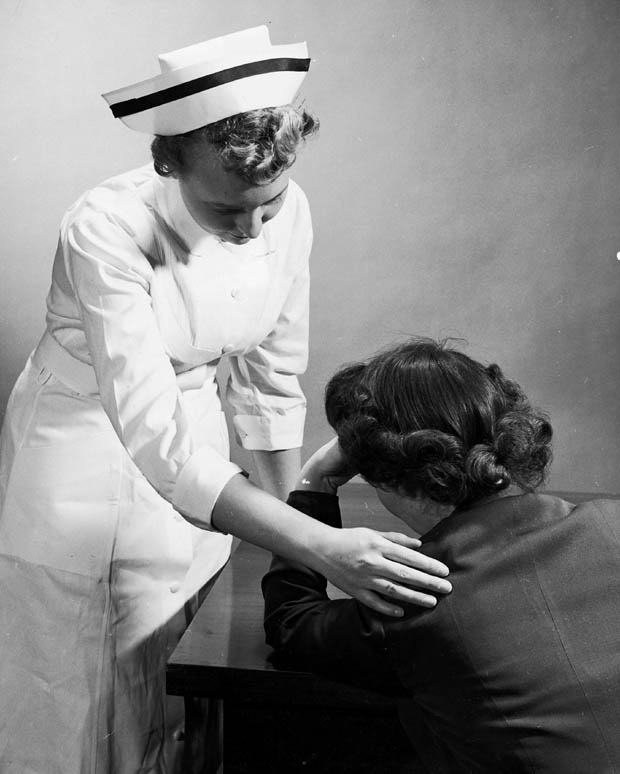
One might see this switch in research focus as “natural” when more women are researchers. In the early 20th Century, mainstream psychological research largely excluded women. When women were included in the research population, their data were interpreted through male-centered perspectives. That is, researchers assumed the male results to be the standard. Early psychology often pathologized women.
The psychology of women emerged as a distinct field and gained momentum during the rise of the feminist movement. Feminists challenged these biases, leading to research focused on women’s experiences, gender roles, identity, and the social and cultural factors affecting women’s mental health.
In 1973 the American Psychological Association (APA) established Division 35, the Society for the Psychology of Women, formalizing the field’s recognition. Since then, the field has expanded to include intersectional perspectives, exploring how race, class, sexuality, and other factors intersect with gender.
Downside for Men

Though this change to less violent and more humane research has much to recommend it, Seligman sees less research on therapy and issues for boys and men as a downside. ** While I applaud psychology for—finally—recognizing the distinct experiences and needs of women, the current imbalance is equally regrettable. The male psyche is becoming less the norm than an aberration. According to Mark Kiselica, “They are greatly influenced by models that look at how boys and me are flawed rather than about boys and men are different.” ** It truly is a a reversal of psychology researchers’ bias.
Issues of bias aside, there is strong evidence that men are struggling today. In 2023, suicide rates for men was approximately four times higher than for women. Overall, men account for about 77% of suicides, while women make up about 23%, showing a stark gender difference in suicide mortality.
Roughly 15% of U.S. men aged 21-25 reported a major depressive episode in 2024. “It’s estimated that roughly 1 in 5 men suffer from some form of mental illness—a share that has increased from 13.6% in 2008.” **

Men are significantly less likely than women to seek therapy due to societal expectations, stigma, and perceptions that mental health issues are not “manly.” This may be changing—albeit slowly. “In 2024, 17.3% of men sought some form of counseling up from 8.7% in 2002.” **
Gender Wage Gap
Unintended—though probably not surprising—side effects of women becoming the majority of clinicians include lower pay and less prestige.
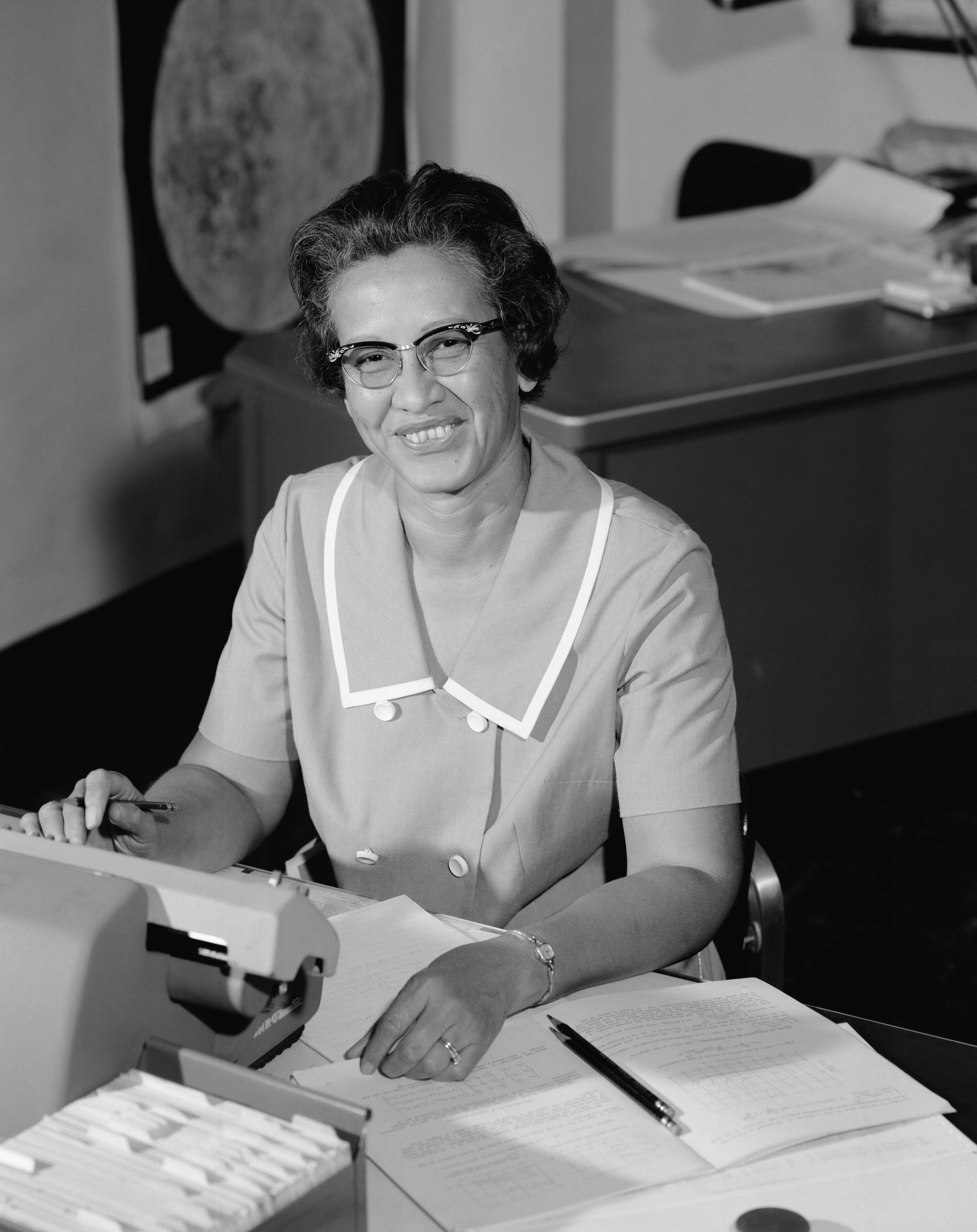
Jobs with higher female representation typically pay less, even when requiring similar skill levels. This phenomenon is linked to occupational segregation and undervaluation of “feminine” work. In 2024, women in management, professional, and related occupations earned about 74 cents for every dollar earned by men in similar roles.
Indeed, women earn less than men across occupations, including those dominated by women.
Women earn significantly less than men for the same job. Depending on the source, the average pay gap ranges from 15-24%. Case in point, the recent negotiations for equal pay in the WNBA!
But it’s all relative! Even if male therapists earn more than female therapists, they are less likely to pursue careers in lower-paying professional fields.
But, truly, how important is the dearth of male therapists?
True, men who work in male-dominated fields are more likely to prefer a male therapist who “speaks the same language.” Nevertheless, only 40% of men expressed a gender preference for their therapist, and of those half preferred a woman. **
Clinicians agree that a well-trained therapist can work effectively with both male and female clients. Furthermore, research has found no differences between male and female therapists in their effectiveness or client outcomes.**
Lack of Therapists
So perhaps the real problem is the dearth of therapists overall.
The United States currently faces a significant shortage of therapists and mental health professionals relative to the demand for mental health services. Several factors may be contributing to this need.
Growing Mental Health Awareness
Increasing awareness and reduced stigma around mental health have led more people to seek therapy and counseling.
High Demand vs. Supply Gap
Many regions, especially rural and underserved urban areas, have insufficient numbers of therapists, leading to long wait times and limited access.
Rising Mental Health Challenges
The prevalence of anxiety, depression, PTSD, and other disorders has increased, partly exacerbated by the COVID-19 pandemic and social stressors.
Workforce Shortages
The mental health workforce is aging, with many professionals nearing retirement and fewer new therapists entering the field than needed.
Insurance and Cost Barriers
Even where therapists exist, cost and insurance coverage can limit access, making the demand for affordable, accessible therapy even more pressing.

Bottom Line: Expanding the mental health workforce with more therapists can improve access, reduce wait times, and support better mental health outcomes.