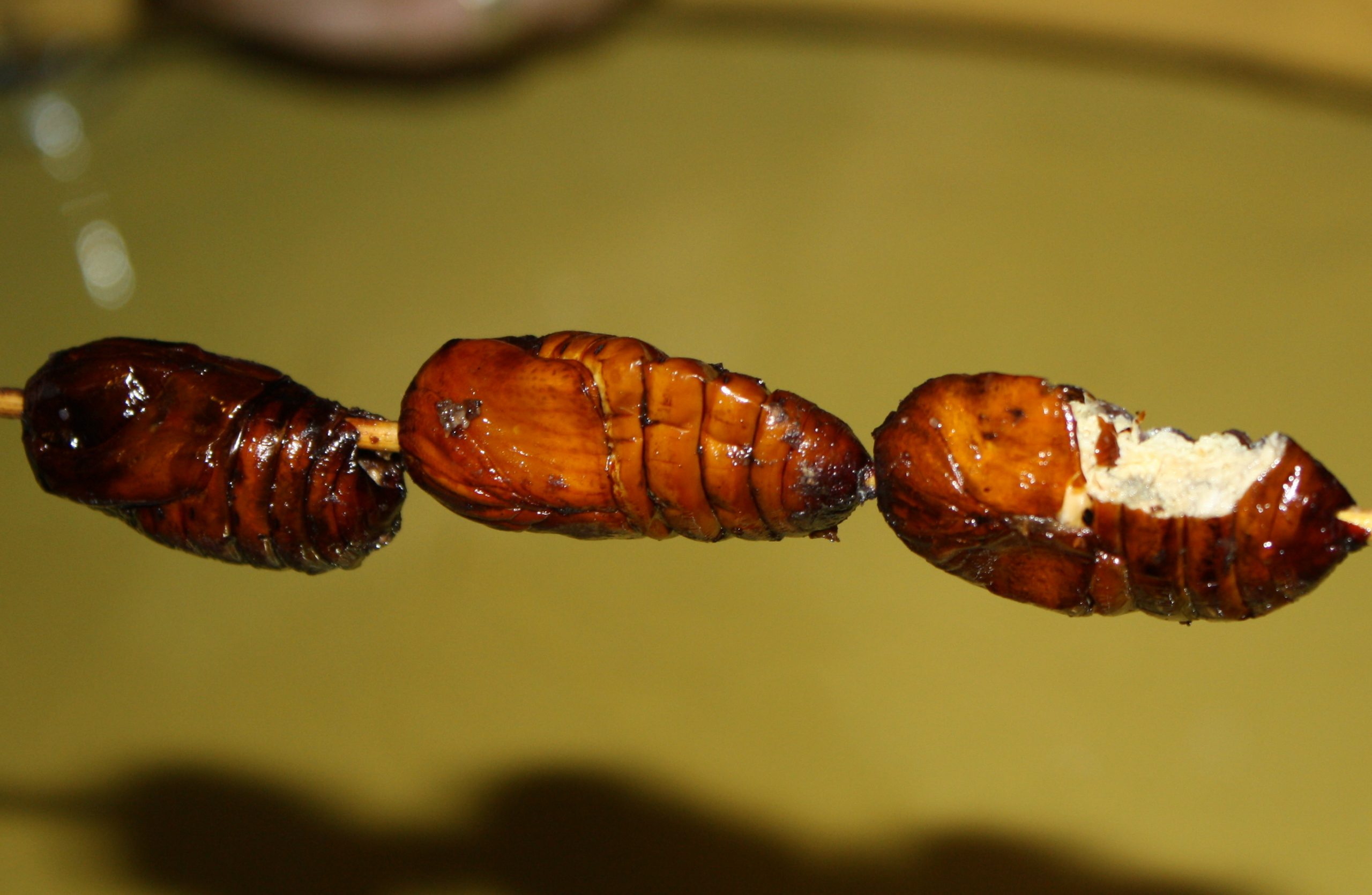
Note: The blog I recently wrote about entomophagy reminded me of this short story I wrote in 2011. “Staying Alive” was originally published without illustrations in The Alembic, 2011 and in studio one, Vol. 34, 20ll.
by
Vivian Lawry
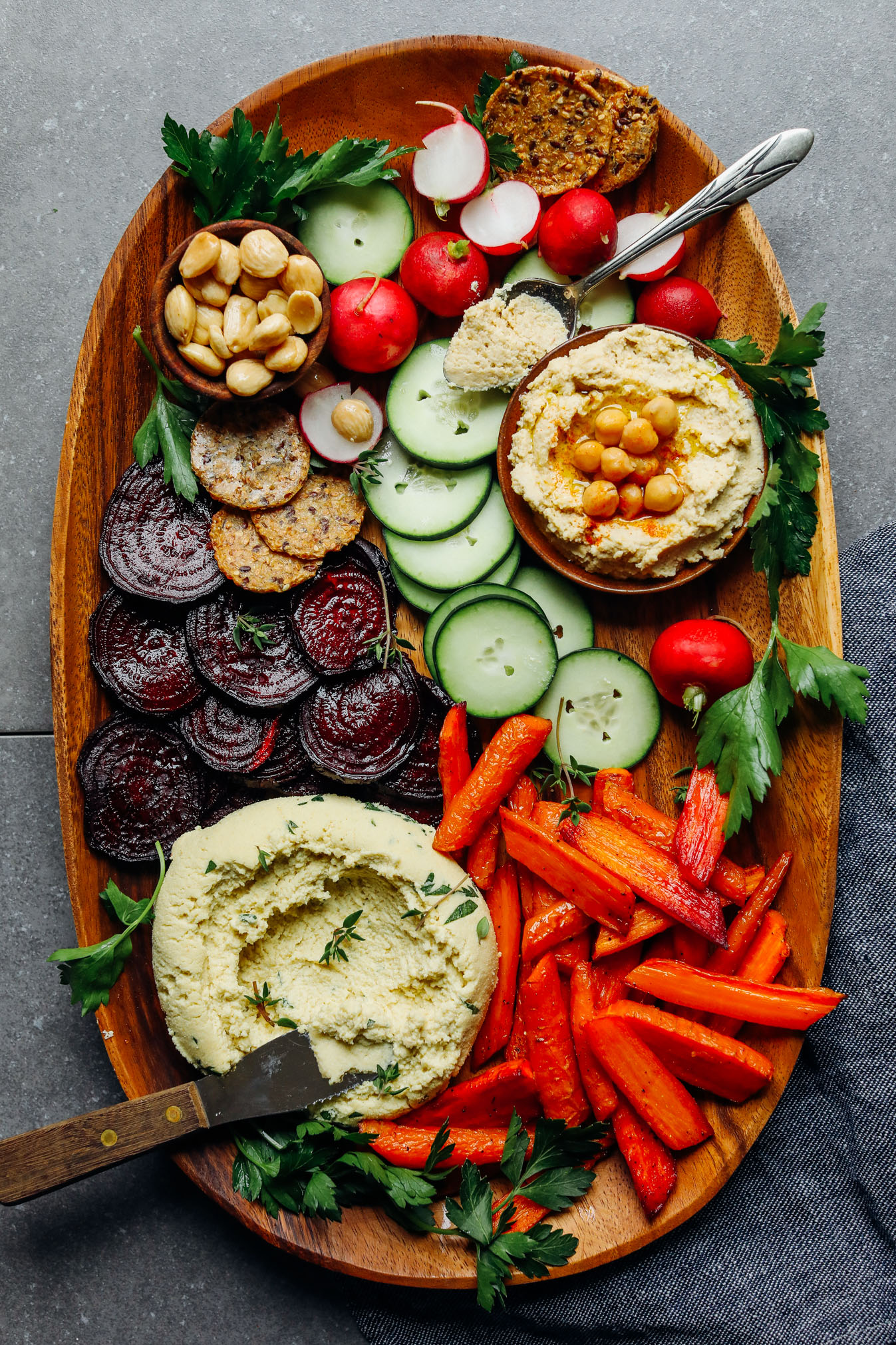
It started with Simon’s conviction that the world’s population growth was far out-pacing the food supply. In spite of the growing popularity of minicattle—only half as big as standard cattle, eating only a third as much, and producing proportionately more beef for the grain they consume—Simon concluded that eating animal protein is an inefficient use of resources and became a vegan. For months he harangued family and friends, and wrote letters to the editor of the local paper, citing statistics on how much grain is consumed to produce a pound of beef and the nutritional value of that pound of beef compared to the nutritional value of the grain if consumed directly by humans.
His wife Millicent, also a research statistician and usually sanguine, had weathered Simon’s past rants on everything from regreening the Sahara to mandating solar heat in all new buildings. But one morning, her patience snapped. She slapped two plates of bacon and eggs onto the table. “You might as well eat it. Your vegan campaign is doomed from the get-go.” Simon glared at her but she talked on. “The global bread basket isn’t big enough to feed everyone on plants alone. Only about one tenth of the land not under ice is suitable for cultivation and nearly all of that is already under plow.” She forked eggs and bacon into her mouth and talked around them.
“Besides, nearly sixty percent of the world’s meat comes from grazing, foraging, and free-range feeding. Why give that up? Instead, we should use more of what’s already available—hearts and livers, brains and feet, kidneys and tongues.”
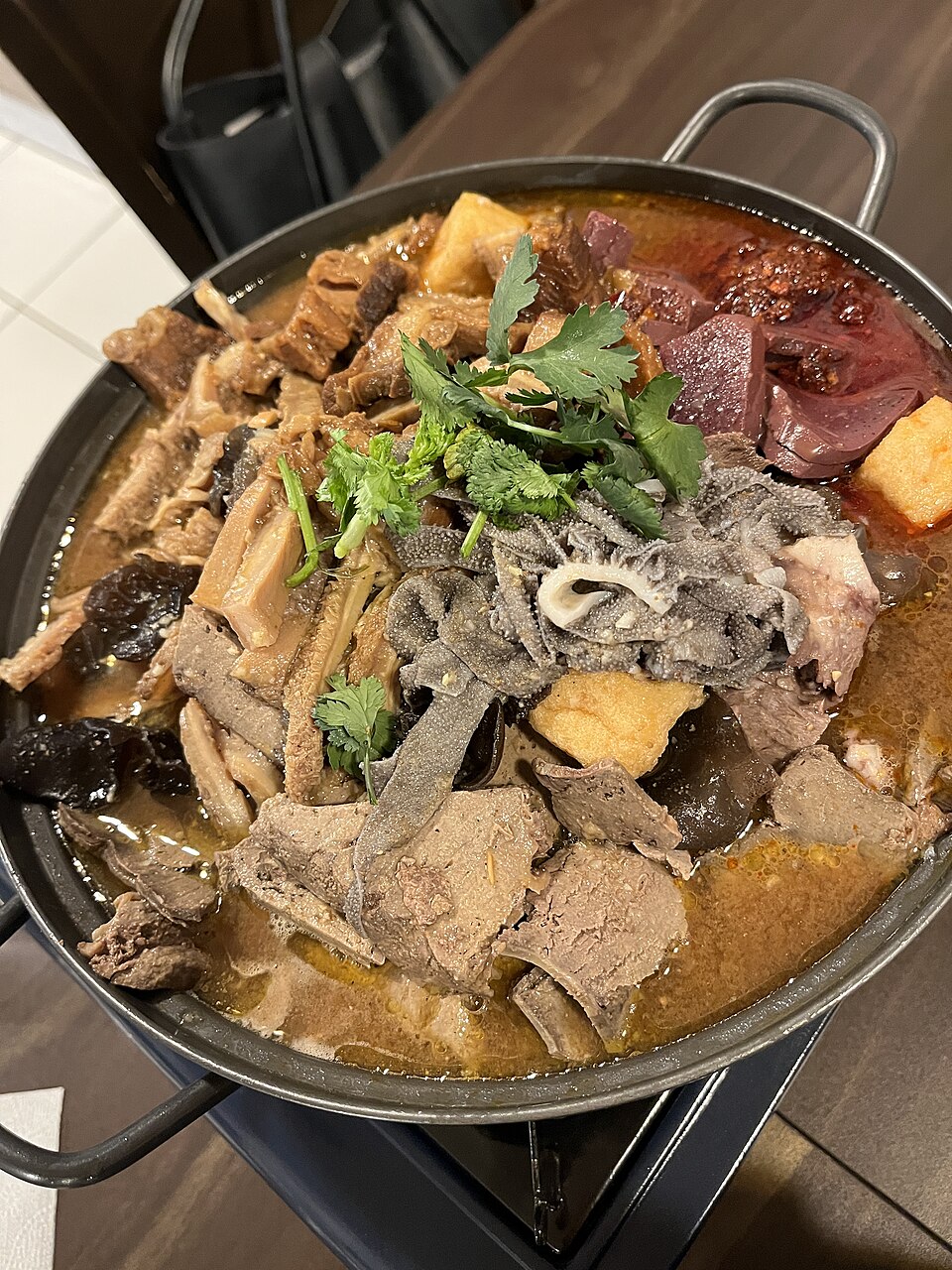
Simon pushed his plate aside but made no answer. Over the next several days, he verified her data and scrutinized her logic and could find no fault. He settled onto the sofa with his gloom and watched TV, barely stirring for days on end. When the papers carried reports of international rice shortages and wholesale food suppliers across the nation limited customers to four twenty-pound bags of rice per visit, anxiety lay in Simon’s stomach like a stone. One day he said, “You’re right, Millie. But you didn’t go far enough. Cattle, hogs, sheep, chickens—why limit ourselves to them? What about rabbits and squirrels? Feral dogs and cats? Voles, rats—anything?”
Millie said, “That’s very rational. There’s a Swahili saying—kila nyama nyama tu—every meat is meat. People in China and Vietnam and India have eaten rats and snakes for centuries. I’ll get recipes.”
As they shifted their menus from beef steak and chicken breasts to dog ham, raccoon barbecue, and grilled rats Bordeaux style, Simon’s gloom lifted. When his children came home from school crying because their friends said smoked eel sandwiches were gross, Simon and Millie switched to the foreign names for their food—told them they were having escargot instead of snails, for example, hasenpfeffer instead of pepper rabbit for dinner—and household peace returned.
This idyllic interval came to an end when Simon read that the real threat of global warming wasn’t rising temperatures per se, or even rising water tables, but that vast expanses of currently arable land would become desert. Desert wouldn’t support even free-range grazers. In addition, warmer climates and more frequent warming cycles would increase insect populations, which would compete with humans for plant food. This time, Simon’s depression was so severe that he was hospitalized for three months. His indigo mood lightened only when the solution came to him: people should eat more insects.
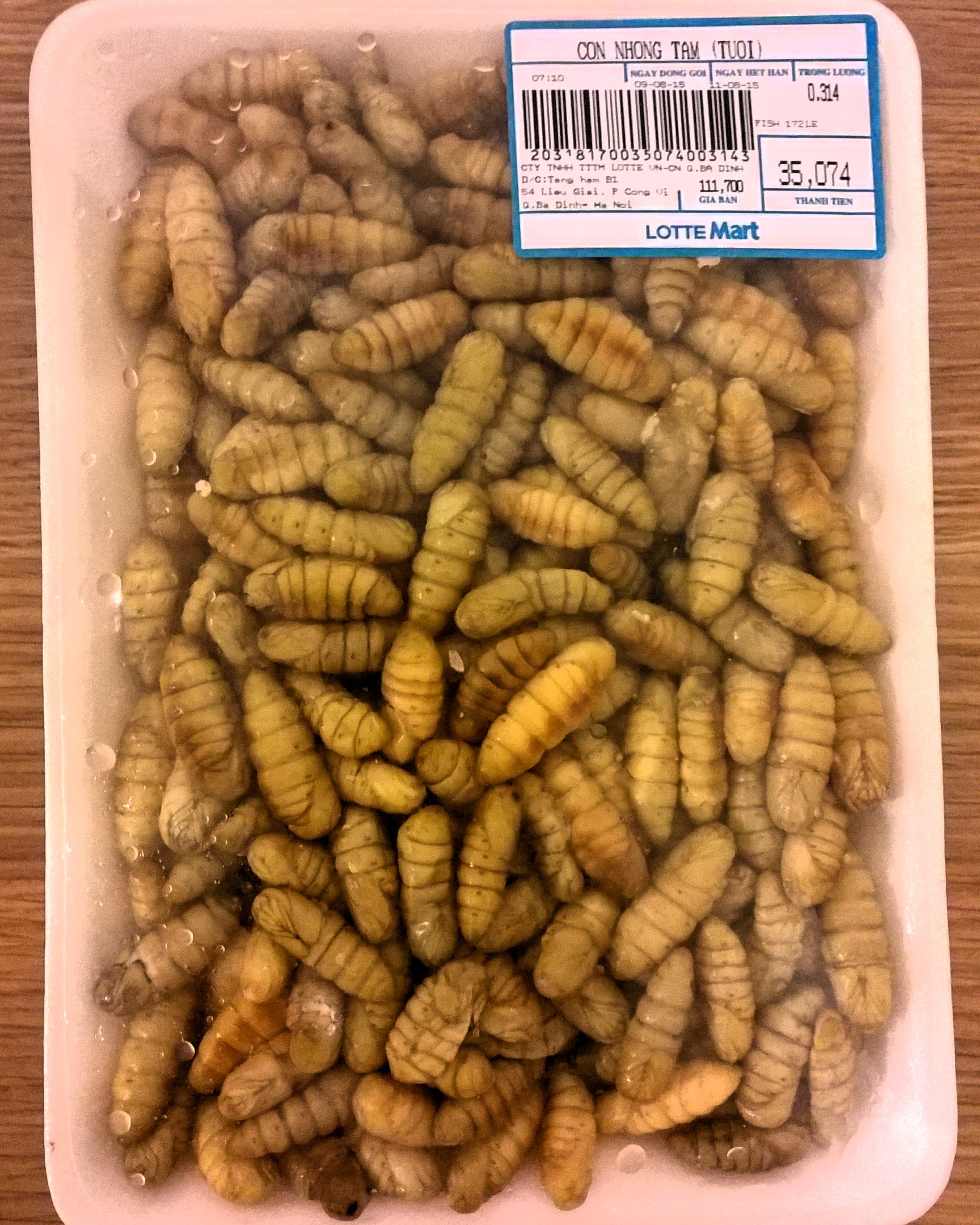
Simon checked himself out, and a week later he handed Millie a sheaf of recipes for Rocky Mountain Locust Stew, Woodlouse Sushi, Green Salad with Toasted Beetles, and similar international delicacies. He said, “Global warming is still in its infancy, but this planet already has seventy pounds of insects for every pound of human flesh. Think about that. Besides, we eat crabs and lobsters and other bottom feeders. Why not nice vegan insects? Just think of them as microlivestock.”
Millie sat silent for a long time. Eventually she smiled. “Kila nyama nyama tu.”
Together they attended workshops with titles like Incredible Edible Insects and came away armed with statistics on the protein, fat, and mineral value of termites, caterpillars, and weevils compared to beef or fish. They picked up valuable tips about everything from covering the colander with wire mesh when washing crickets to putting cleaned insects in the freezer for fifteen minutes or so to kill but not freeze them before cooking. For her birthday, Simon gave Millie The Eat-a-Bug Cookbook. Soon she was making insect flour and adapting standard recipes to include insects. They bought less from supermarkets and more from pet stores, bait shops, and insect suppliers. Simon and Millie wore matching T-shirts that said Proud to be Entomophagous, and informed anyone who inquired that eighty percent of the world’s population eats insects intentionally.
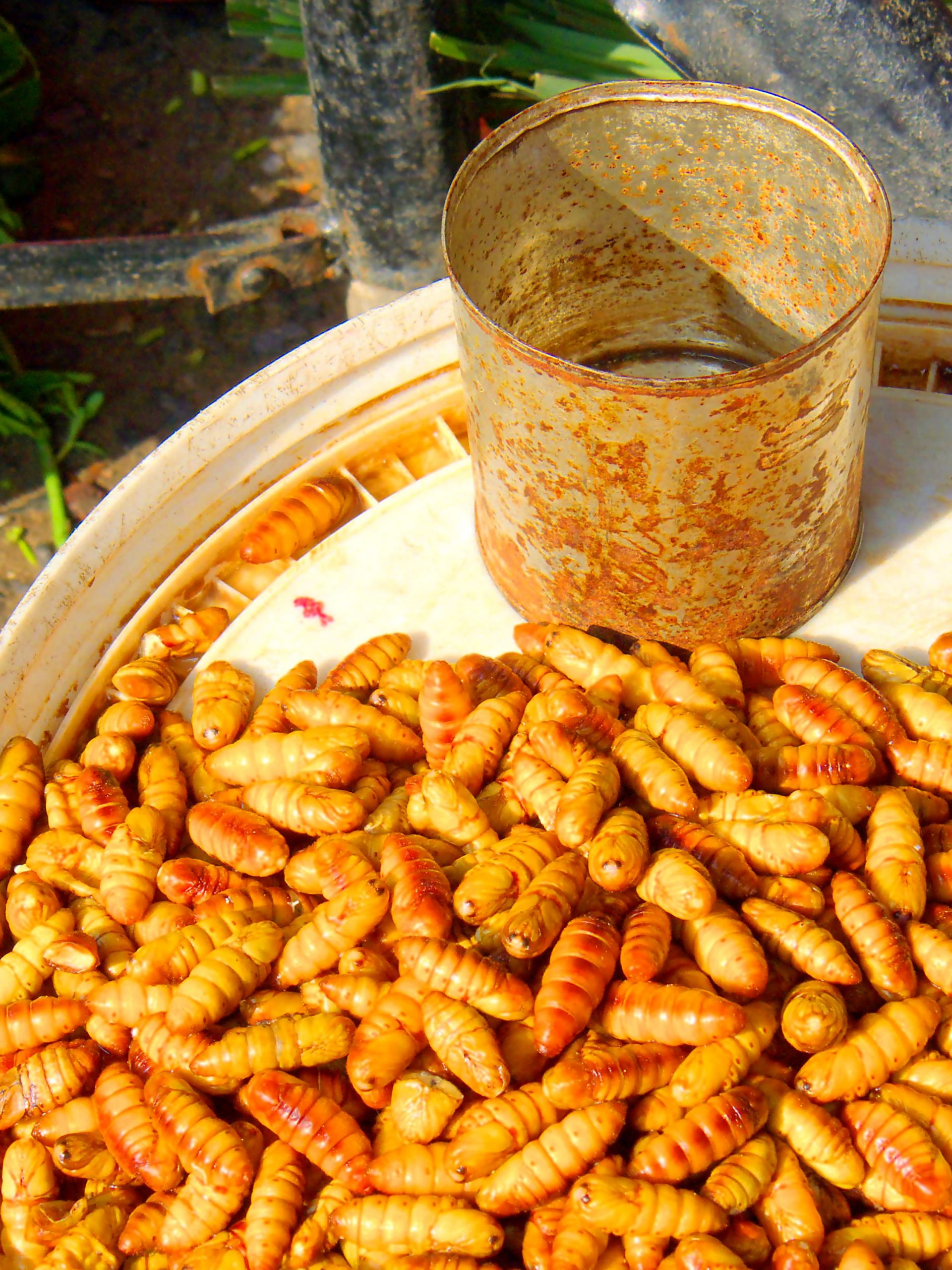
Predictably, the children rebelled, even though Simon pointed out that honey is just a form of bug juice. Annie said, “Look, I stuck it out through tripe and guinea pig in that spicy Peruvian sauce, even creamed snails. But I draw the line at white ant pie.” Junior agreed.
Simon said, “This isn’t a negotiation. Hit the floor and give me push-ups. Keep at it till you decide to eat your dinner or you collapse, whichever comes first.” In bed with Millie, he said, “I feel bad about the push-ups. But we’re talking survival here. There’s nothing I wouldn’t do to save my children.”
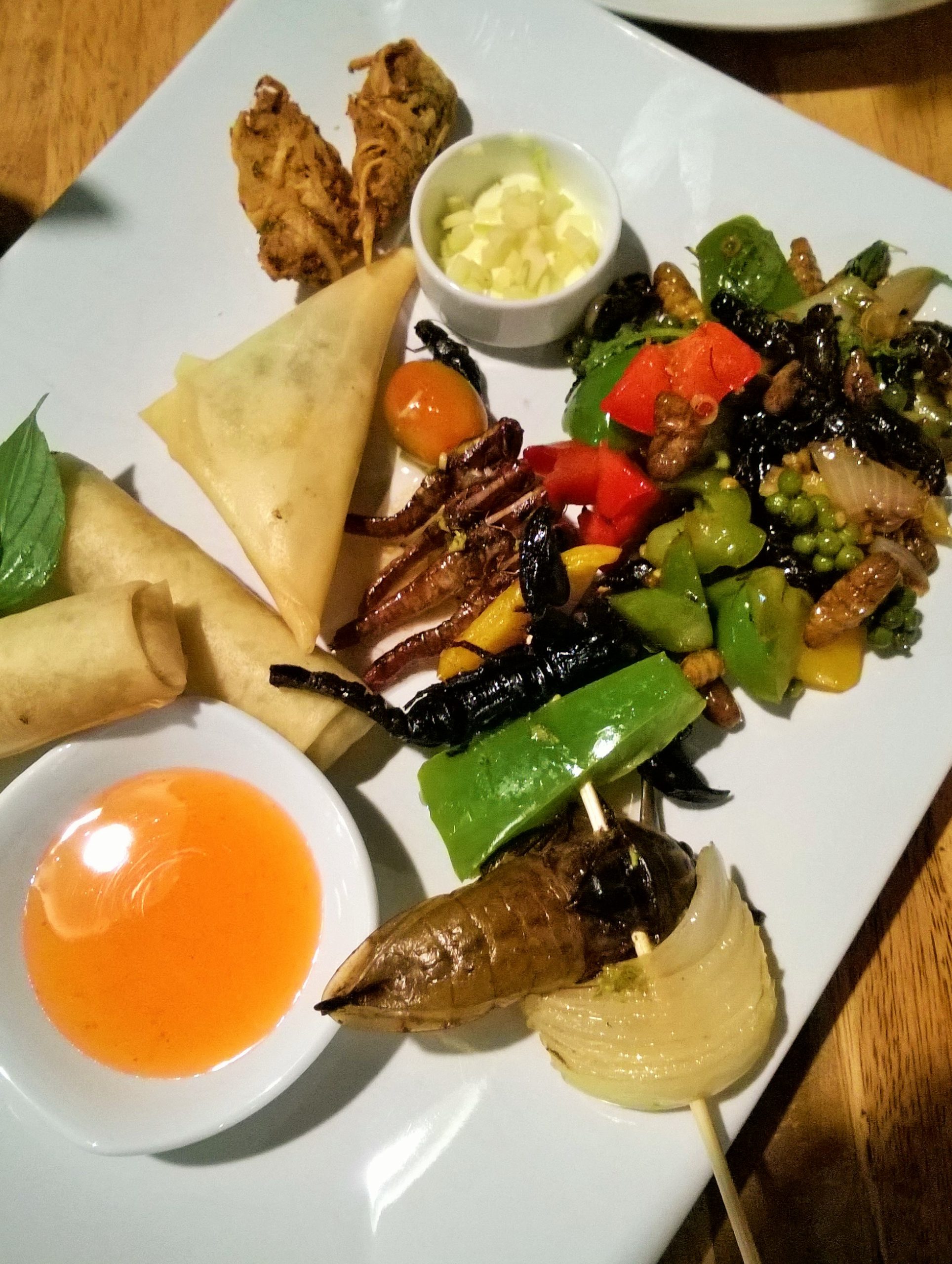
After that, the children’s surrender was complete. Though they never talked about it with their friends, cockroach samosas were a big hit, as were Ant Brood Tacos and Chocolate Chirpie Chip Cookies.
When Simon learned that cockroaches are one of the most populous insects, he read all that he could find about them. He pored over The Compleat Cockroach for hours. He sprinkled tidbits of information into the dinnertime conversation. “Did you know that it takes twenty seconds to explode a cockroach in the microwave? They explode because they’re so fat—not like ants, which just sit there.” He grinned at Millie. “You can grease cookie sheets with their fat, there’s so much of it.” Another time he said, “Cockroaches can live for a week without their heads. They die after a week only because they can’t drink.” He learned that cockroaches have been around for 360 to 400 million years, compared to only two million for modern man. He built a cockroach farm, like an ant farm only bigger, and spent hours a day observing those splendid creatures. He contemplated opening an insect factory. When Millie objected to using their 401-K money to fund the project, he said, “Insects are the food of the future. Some day there will be money made farming insects, and I’ll be ahead of the curve. Cockroaches could be my flagship product.”
Simon attended to the cockroach hissing, read their thoughts, and realized that, for the most part, cockroaches aren’t profound thinkers. But they are masters of survival. They can live on nothing but book bindings or laundry detergent. And when all else fails, they cannibalize their own. One day Simon realized that the king cockroach was mocking him, deriding the miniscule human history and making much of the longevity of the cockroach family. Mulling this over, Simon became convinced that the only sure way to survive the coming apocalypse was to meld with the cockroaches. For weeks he fretted about how to do this—until one day he burst out laughing. He’d begun already. If not, how could he read their thoughts?
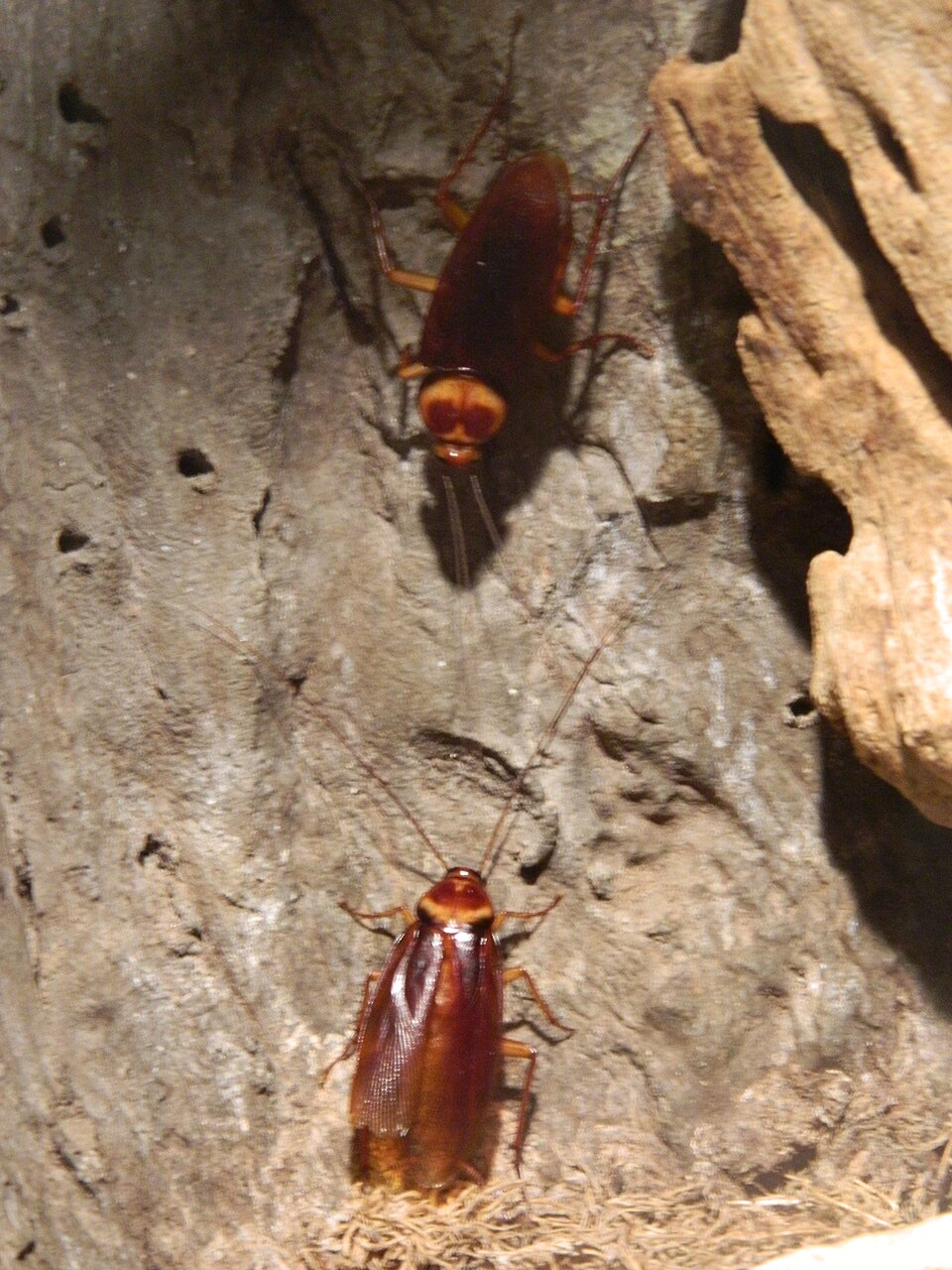
Coming home from Junior’s ball game, tired and hungry, Simon and Millie turned on the kitchen light and found the king cockroach on the counter. They could have harvested him in an instant. But they had leftover veggie pizza in the fridge, so they ignored the king. The king stretched out his neck and flew at Millie. She batted him away. When he persisted, Simon dropped a plastic dishpan over him. On their way to bed, they found two huge cockroaches on the hallway wall, stretching their necks out and eyeing them both. Simon and Millie hurried into the bedroom and slammed the door. Long into the night they heard the cockroaches dive-bombing their door. The next morning, the cockroaches were gone. But Simon knew that, come nightfall, they would be back.
Simon fretted over why the cockroaches were attacking them. He consulted two entomologist friends and learned that cockroaches stretch their necks and fly when they are interested in mating. Simon’s laughter bubbled forth. He and Millie and the cockroaches were on the verge of total melding. Their children’s children’s children would survive.
The End