
Drinking Tea Around the World

Tea Around the World
Tea Around the World Begins Close to Home: Camellia sinensis at Historic Green Spring in Fairfax, VA

Today’s guest blog was written by Kathleen Corcoran

As discussed in last week’s blog, tea has played a vital role in military pursuits all around the world. However, tea has been a part of human culture far beyond warfare in every part of the globe since Chinese Emperor Shen Nong first drank it in 2737 BCE.

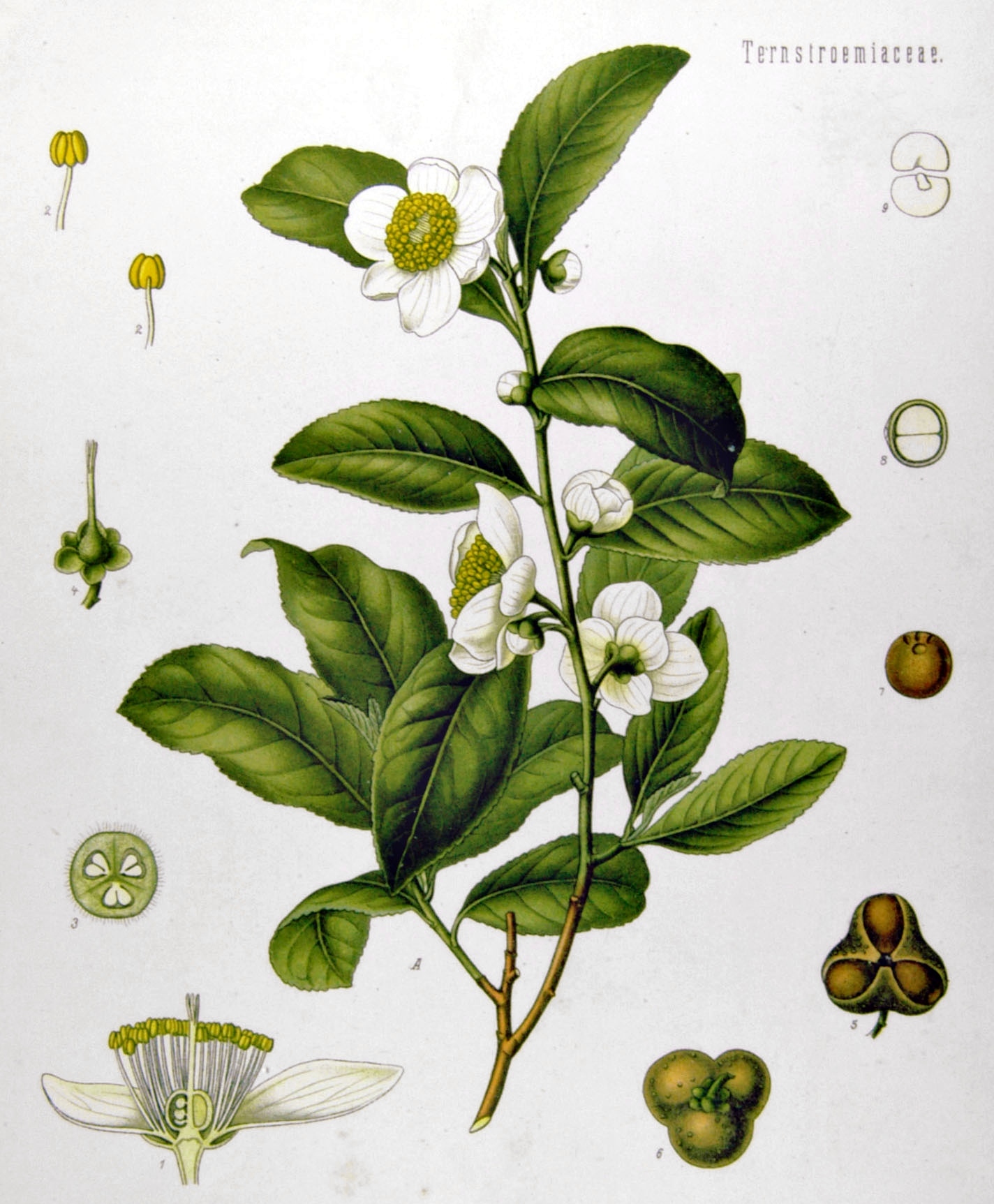
Camellia sinensis is a hardy bush, able to grow in a variety of climates. However, it requires a very specific micro-climate to develop leaves capable of making a tasty tea brew. Even so, international trade has allowed tea to grow in popularity all around the world.
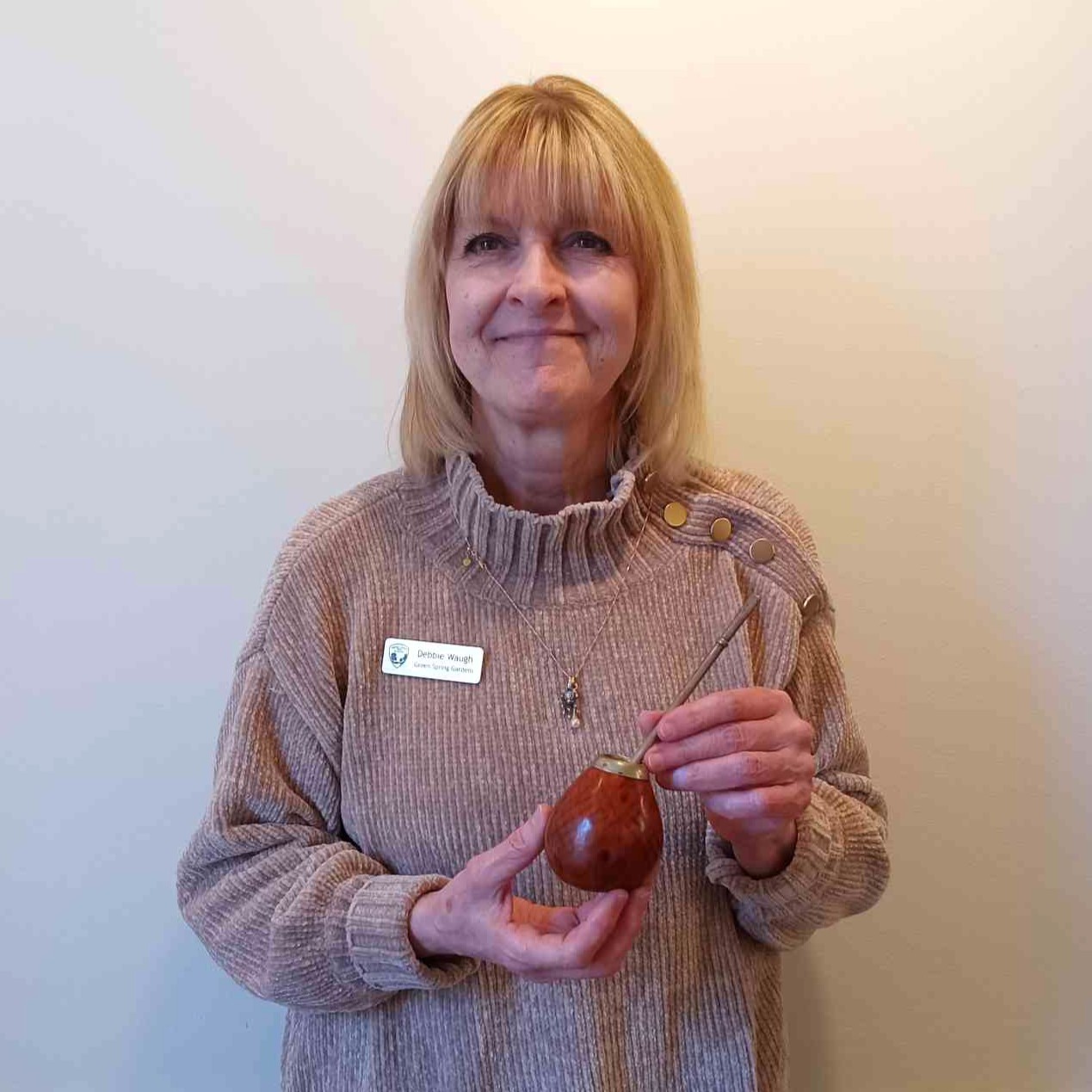
Historian Debbie Waugh presenting Tea Around the World
Debbie Waugh with a traditional mate gourd, common for drinking South American tea

Strictly speaking, “tea” () refers only to the brew created from the leaves of the Camellia sinensis plant. Anything else is technically a tisane (from the Greek ptisanē “crushed barley”) or herbal brew. On the other hand, popular culture tends to refer to any drink made from brewed leaves as tea, so I will include other herbal drinks here.

I had the pleasure of attending a lecture and tea tasting at Historic Green Springs recently. Historian Debbie Waugh presented an example tea blend from each continent and spoke about the history of each.

Asian Tea
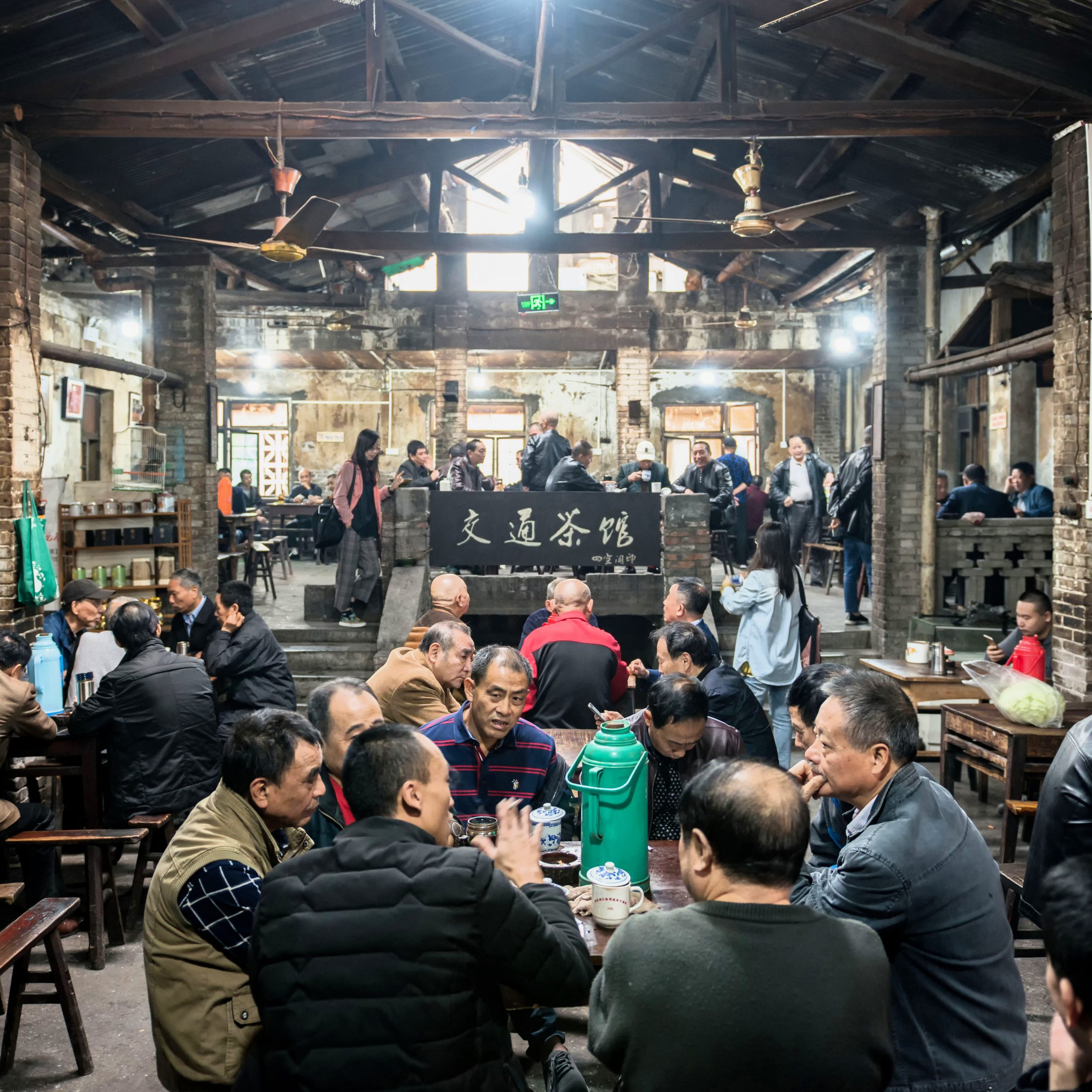
Tea Around the World
Jiaotong teahouse in Chongqing, China

Since its origins in southern China, tea production and consumption have played an important role there. China still leads the world in tea production, growing 14,542,600 tons in 2025. In addition to being a popular beverage, tea serves an important role in traditional Chinese medicine and cooking. Children serve tea to their elders to apologize for misbehaving. The tea house is traditionally a place where people can set aside social rank to have frank discussions. Doctors in China have been prescribing tea to patients since at least the Three Kingdoms period, 1800 years ago.

India holds the title of the world’s second largest producer of tea, and many of the most recognizable varieties originate there. Since before recorded history, the Singpho and Kamit peoples in northeastern India have been drinking “soma,” which may have been Camellia sinensis tea. Ayurvedic medical practice also includes many herbal teas. In addition to milk-brewed chai, many people in India drink basil, cardamom, and pepper teas.

The Silk Road brought tea from China through the Middle East centuries ago. In many Middle Eastern countries today, people serve sweet, hot tea to guests and business partners to signify hospitality. In fact, rejecting an offered cup of tea may be a sign of extreme rudeness.
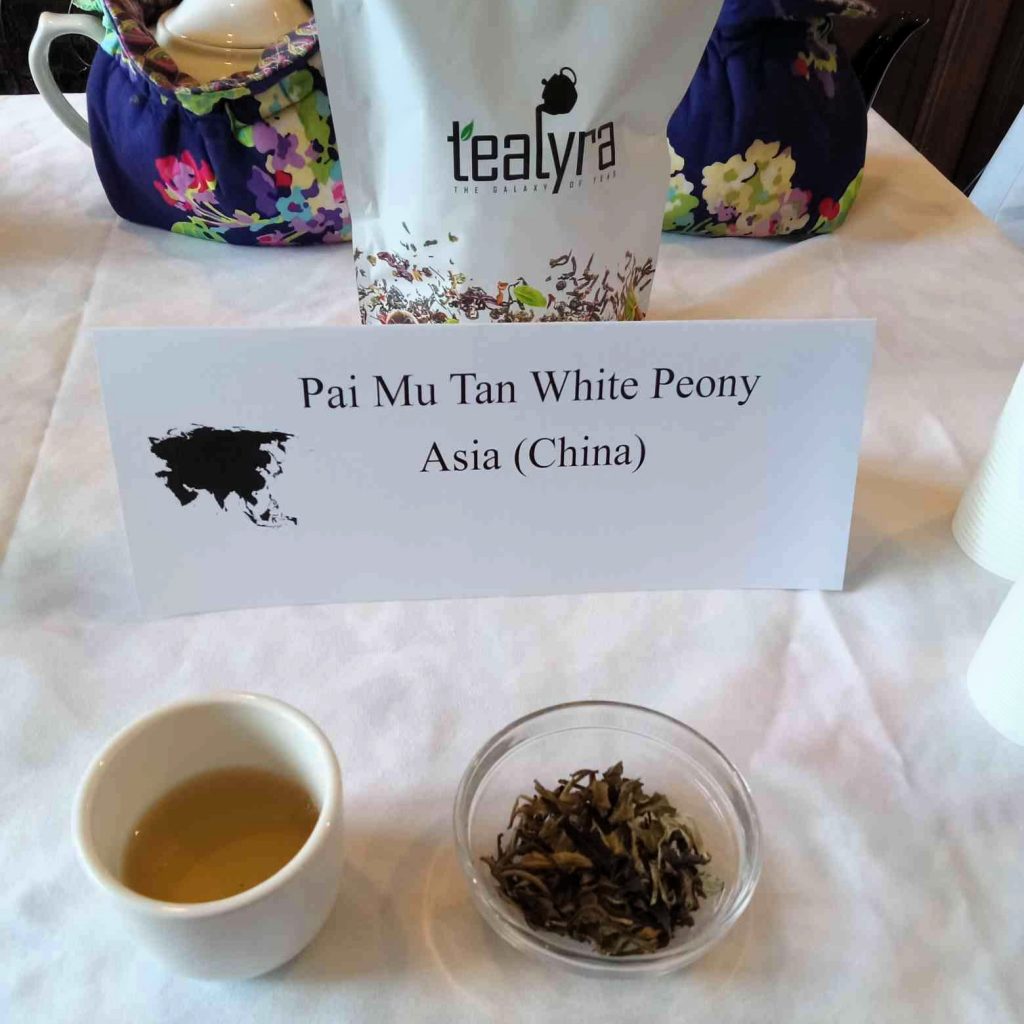
White tea is made by plucking the unopened buds at the tip of a tea plant and subjecting them to minimal processing. Debbie Waugh selected this white Chinese tea from Tealyra. While brewing, the buds open like a blooming chrysanthemum flower, giving the tea its name.

European Tea

Tea plantation in Rize, Türkiye

Though very few places in Europe have the ideal climate to grow tea, that hasn’t stopped people from shipping tea around the world to enjoy a cup or two. Or ten. Per capita, three of the world’s highest tea consuming countries are in Europe (Türkiye, Ireland, and the United Kingdom).

Each Turkish person consumes, on average, nearly 7 pounds of black tea (çay) every year! They grow much of it themselves, in the mild climate along the Black Sea. In neighboring Georgia, though no longer providing the entire Soviet Union with black tea from the Guria and Adjara regions, sixty one local tea producers still cultivate Camellia sinensis in the Caucasus mountains.

In Ireland and the United Kingdom (second and fourth in the world in tea consumption), tea plays a huge social role. Since tea first arrived in the 17th century, people have relied on tea to provide hospitality, celebrate, mourn, relax, socialize, or simply nourish their bodies.

Many other countries in Europe grow the herbs and spices to make distinct tea blends. Bergamot oranges, which produce the oil that gives Earl Grey tea its distinctive flavor, originate in Italy.
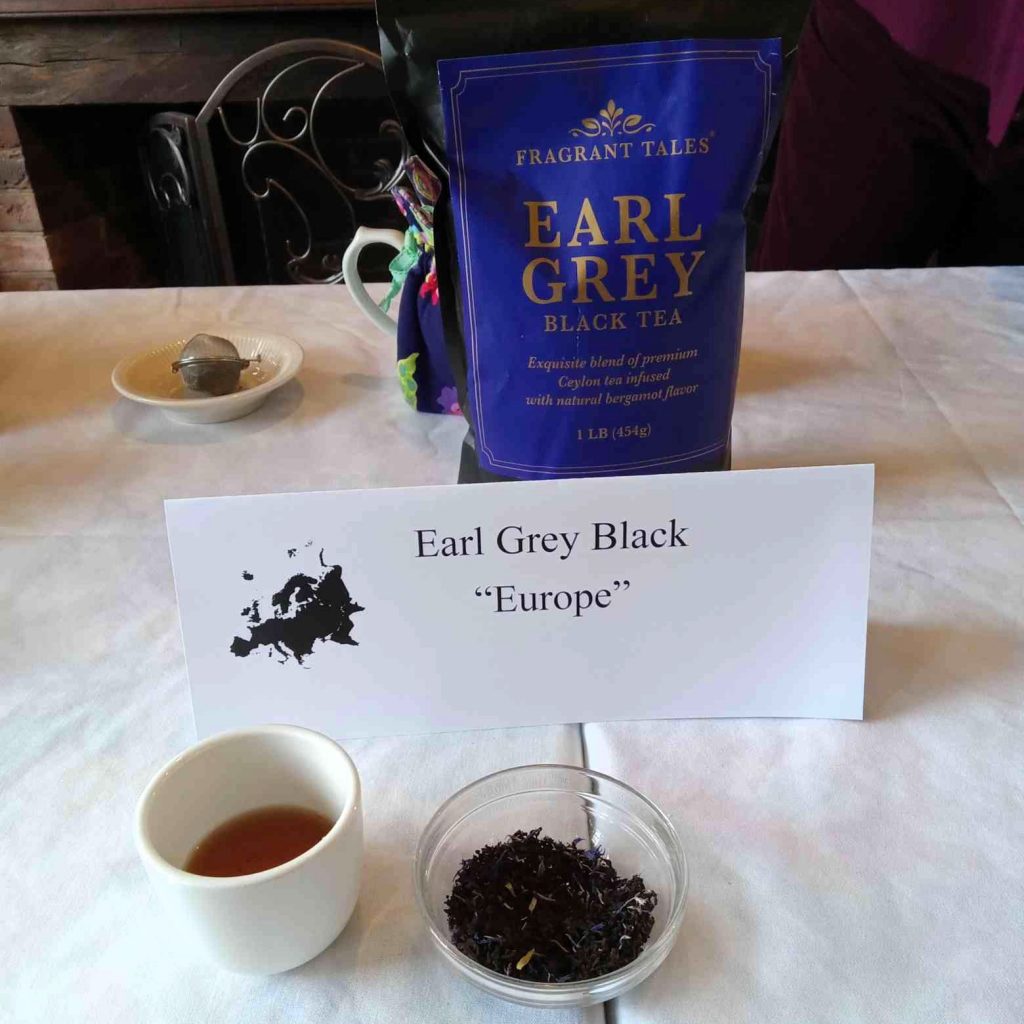
Debbie Waugh selected this Earl Grey tea to represent Europe. From Fragrant Tales, it combines Ceylon black tea with Italian bergamot oil.

African Tea
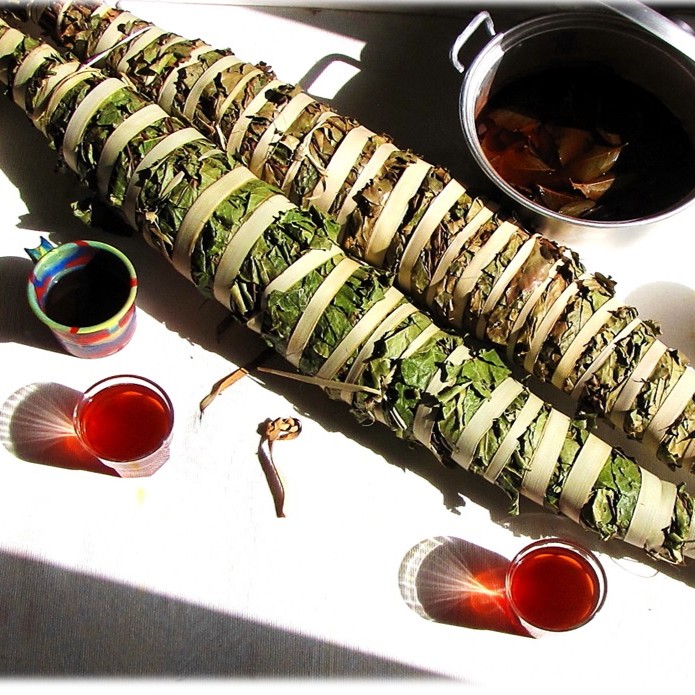
Kinkeliba, traditional bundles, boiled leaves, and brewed result

In 2025, Kenya was the third most prolific producer of tea in the world. In addition to popular black teas, Kenyan tea growers cultivate purple varieties of Camellia sinensis tea. Uganda, Malawi, and Tanzania all have ideal climates for growing tea and export significant quantities. In Rwanda, tea has become both an export commodity and a tourist attraction. Visitors to Rwandan tea plantations can combine tours of tea fields with wildlife safaris.

However, most of the Camellia sinensis tea produced in Africa is destined for export. A variety of herbal blends are far more popular for local consumption.

South Africa’s Aspalathus linearis bush produces rooibos (also called red or bush tea), a caffeine-free tisane. Ntingwe, also from South Africa, is a blend of rooibos, Honeybush, and other herbs. In northern Africa, people make very popular teas from mint leaves or hibiscus flowers. During Ramadan, many Muslims in west Africa make kinkeliba from the leaves of the Combretum micranthum bush.
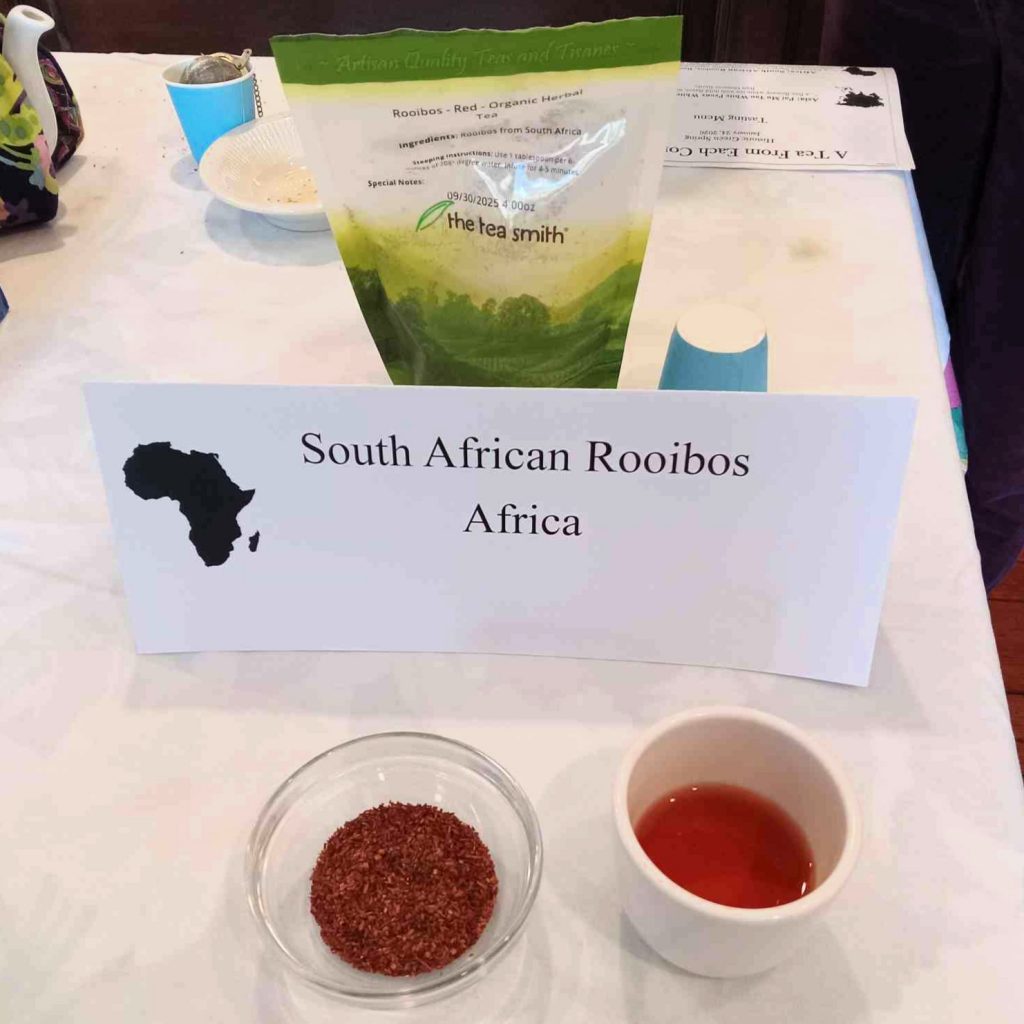
This Rooibos from The Tea Smith comes from South Africa. As Debbie Waugh pointed out, rooibos has loads of antioxidant benefits.

Oceanian Tea

Tea around the world kava fiji
Kava ceremony in Fiji

Though Fiji grows black tea for export, most Fijians prefer to make kava from the local yagona root.

Long before the British arrived Down Under, Aboriginal Australians were brewing infusions of the Mānuka (Leptospermum scoparium) tree. Captain Cook called the Mānuka a “tea tree” because of the brew’s similarity to tea.

When the first British colonists (and convicts) arrived in Australia in 1788, they brought tea with them. Wealthy British immigrants continued their customs of high tea on fancy china. Out in the bush, people brewed tea in billy cans over open fires.

In northern Queensland, where the climate is closest to that of southern China, the Cutten brothers established a tea plantation in 1884. However, the majority of tea in Australia is still imported. Prior to 1950, Australia held the title of highest per capita tea consumption in the world.

New Zealand has had a similar history of tea consumption. At the beginning of the 20th century, New Zealanders drank more tea, per capita, than the British!
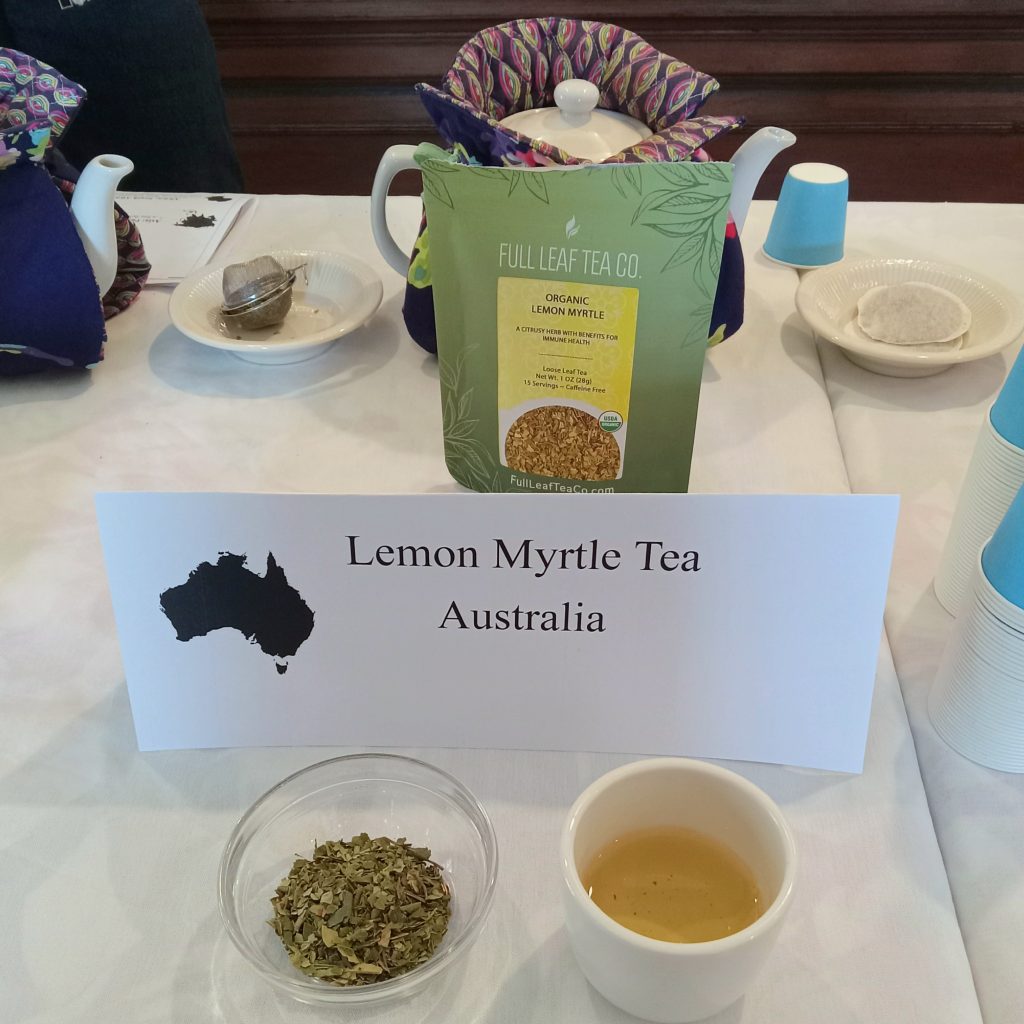
Australia has a large market for herbal tisanes, producing them for both domestic use and export. Debbie Waugh presented this lemon myrtle blend from Full Leaf Tea Company.

North American Tea
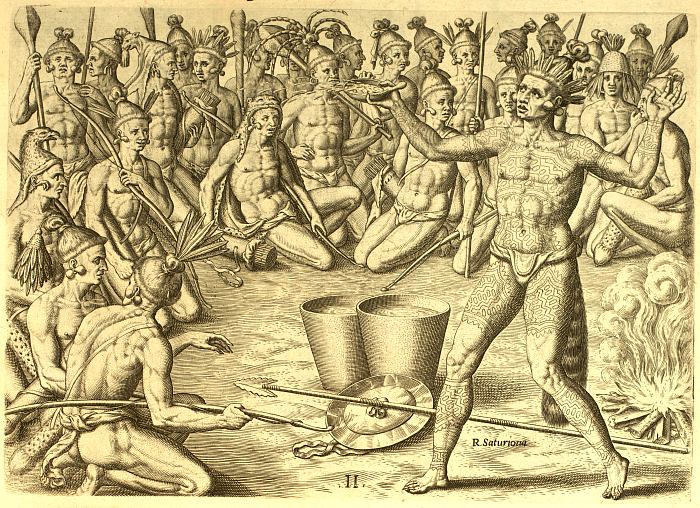
Timucua chief Saturiwa (fl. 1562–1565) preparing his men for battle by drinking yaupon tea

Long before European colonists arrived, people in North America drank many herbal brews, particularly yaupon. By roasting and boiling the leaves of the yaupon holly tree (Ilex vomitoria), people created the mildly caffeinated “Beloved Drink” for ceremonial, social, and everyday use. Historical and archaeological records show that yaupon’s popularity stretched from the Algonquin on the East Coast to the Tankowa along the Rio Grande.

Although Mexico produces two thousand tons of black tea yearly, few Mexicans drink tea regularly. Instead, people drink a variety of herbal teas, such as agua de Jamaica (hibiscus tea). In cold weather, many Mexicans drink champurrado, made from chocolate, corn masa, and spices.

The Dutch East India Company may have been the first to import Camellia sinensis tea to North America in 1647. Colonists in Salem served boiled tea leaves with butter as a vegetable dish. The politics and economics of tea imports played a major role in the American Revolution. Canadian Theodore Harding Estabrook first developed the method of pre-blending tea to facilitate shipping.

People have been trying to grow Camellia sinensis in North America since 1744. However, it wasn’t until 1772 that colonists in Georgia were able to grow tea plants successfully. Few places in North America have the correct microclimate for tea, but there are plantations in Louisiana, Oregon, Alabama, South Carolina, and Washington State.
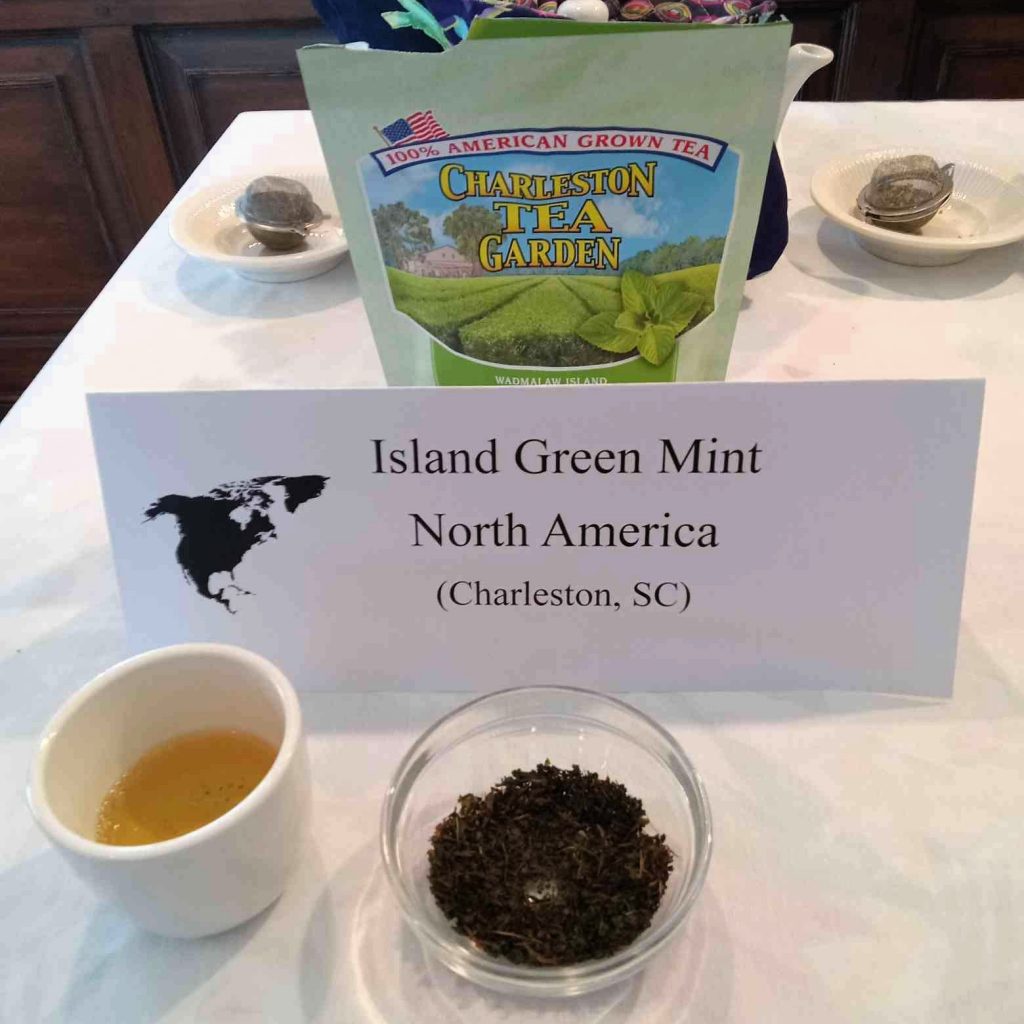
Charleston Tea Garden, in South Carolina, is the only large-scale tea plantation in America. Debbie Waugh selected this blend of green tea with mint, all grown and blended domestically.

South American Tea

Uruguayan senators drinking yerba mate in Parliament

In South America, yerba mate (Ilex paraguariensis) is far more popular than Camellia sinensis for making a cup of tea. Traditionally, yerba mate is made by pouring hot (not boiling!) water over mate leaves in a hollowed gourd and drinking the resulting brew through a sieved straw. The name comes from the Spanish word for “herb” (yerba) and the Quechua word for the hollow calabash gourd (mati).

According to historian Debbie Waugh, yerba mate has “the strength of coffee, the health benefits of tea, and the euphoria of chocolate.”

Uruguayans drink more yerba mate than anyone in the world. In Paraguay, people drink a chilled version of yerba mate they call tereré. Brazilians enjoy erva mate on the go or as part of communal mate ceremonies. Argentinian gauchos drink yerba mate for health benefits while on long cattle drives.

Portuguese colonists established black tea plantations in the Brazilian highlands in 1812, but those mostly collapsed with the abolition of slavery in 1888. The Argentinian government has invested heavily in tea cultivation and is currently the ninth most prolific tea producer in the world. Tea gained popularity in Chile after the British navy assisted Chileans in their war of independence from Spain.
Drinking tea around the world
South America yerba mate

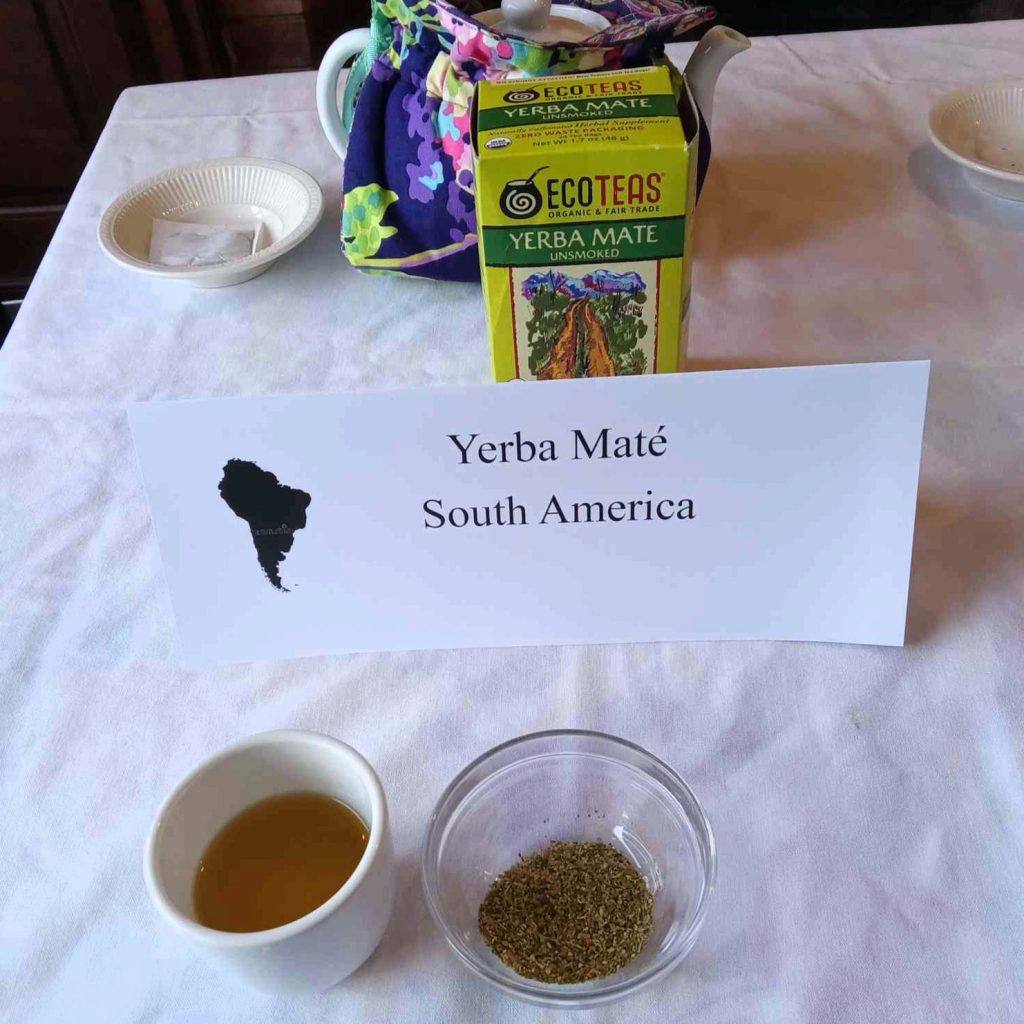
Yerba Mate can be dried over a fire, giving it a smoky flavor. Debbie Waugh provided this unsmoked yerba mate from EcoTeas Organic Yerba Mate.

Antarctic Tea

Sadly, my visions of vast greenhouses growing tea at the South Pole were not accurate. Still, there is a history of tea in Antarctica.
Teatime with the Scott expedition

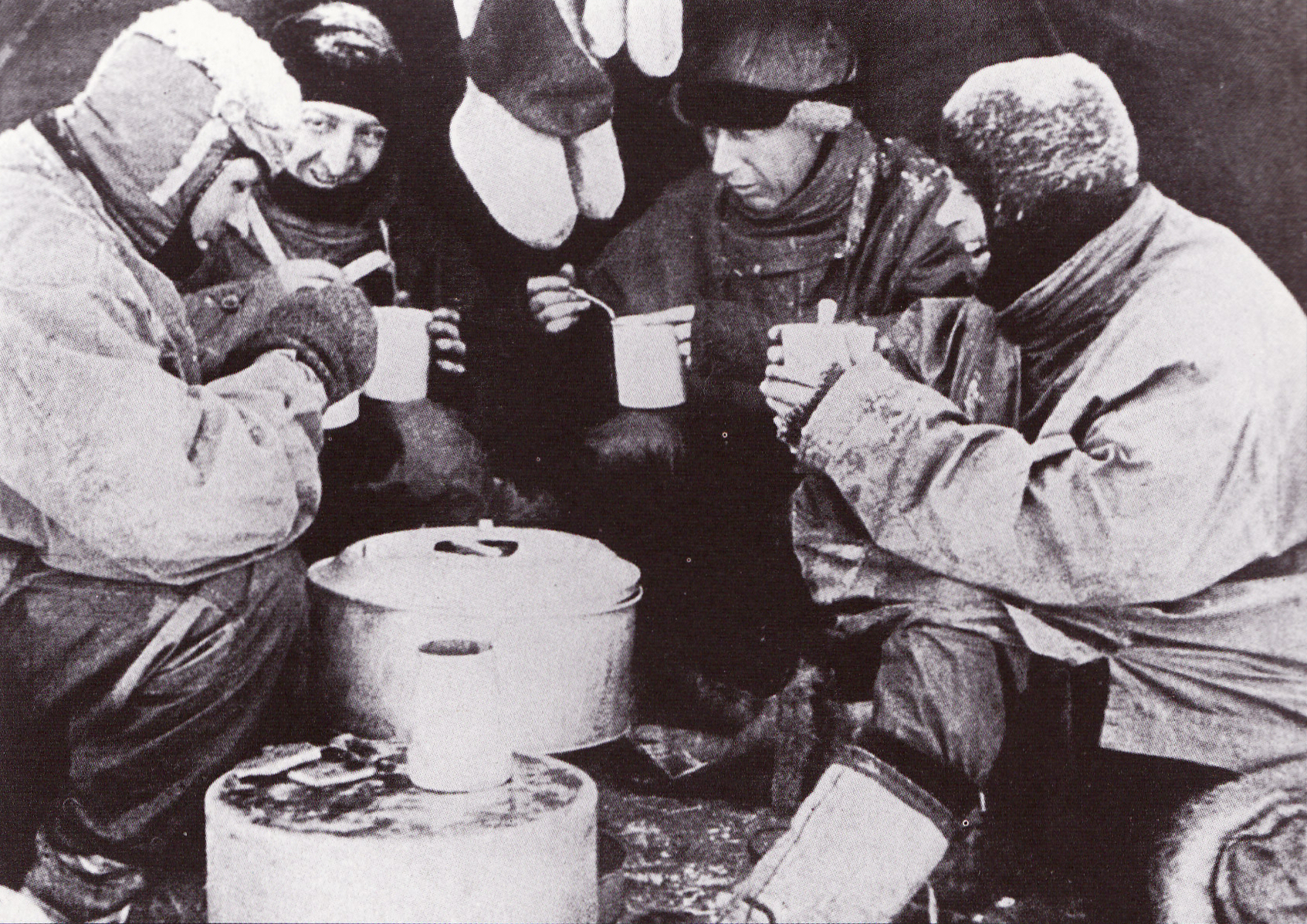
When Robert Scott outfitted his expedition to reach the South Pole, every member packed 16g of an especially strong black tea per day. He wrote, “…admitting all that can be said concerning stimulation and reaction, I am inclined to see much in favour of tea. Why should not one be mildly stimulated during the marching hours?”

Years after Scott’s team perished on their return journey, Ernest Shackleton retrieved an unopened tin of tea from Robert Scott’s Antarctic campsite. Scott’s Hut still stands in Antarctica, holding some of the supplies they packed for their journey.
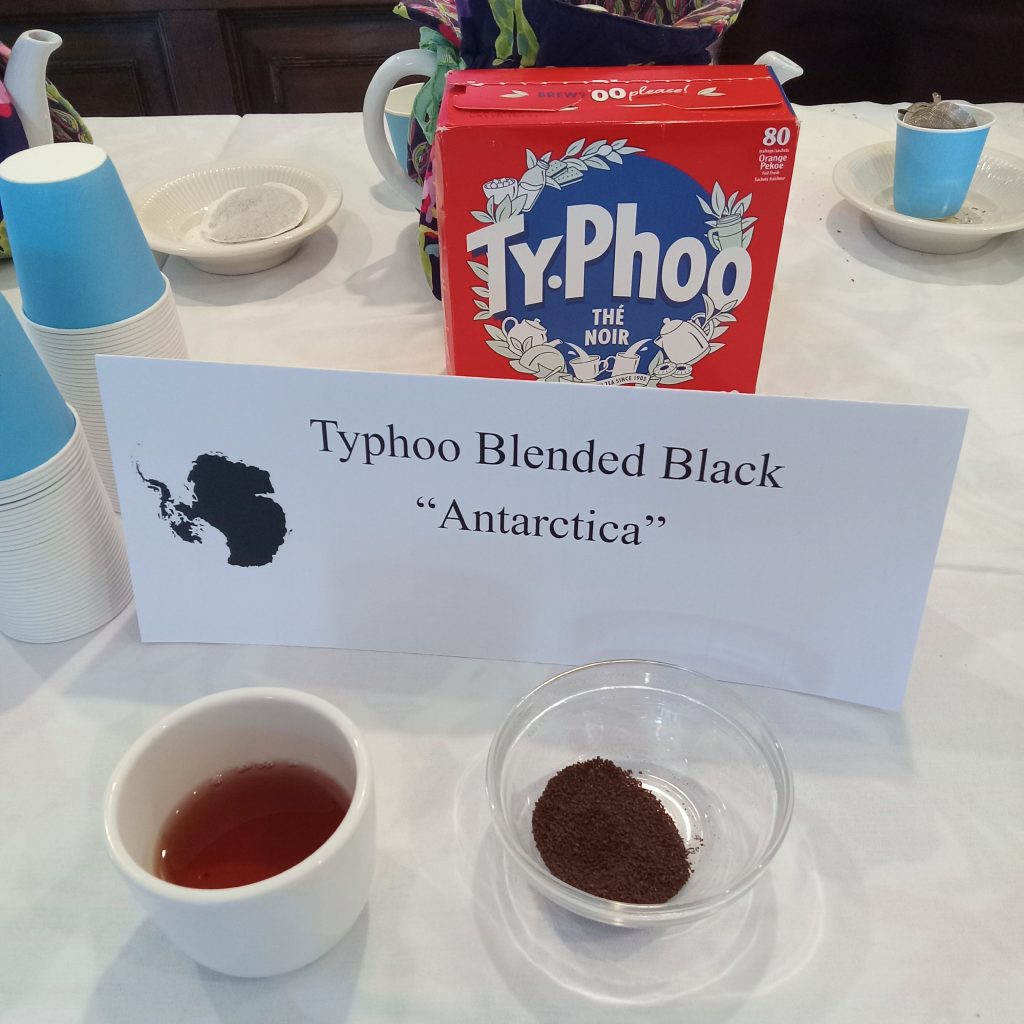
Among the contents of the Scott expedition hut are tins of the special tea blend Typhoo created for the explorers. In 2012, Typhoo Tea sold a recreation of that blend to raise money for preserving the hut. Debbie Waugh presented a similar black blend from Typhoo Tea, reminiscent of what early Antarctic explorers drank.
THE WORLD OF TEA

I—and perhaps others—associate tea drinking with the British Isles. Way too narrow! India is the world’s largest tea-drinking nation, although the per capita consumption of tea is modest (26 oz per year). Türkiye, with 5lb 8oz of tea consumed per person per year, is the world’s greatest per capita consumer.

According to Wikipedia, after plain water, tea is the most widely consumed drink in the world. According to Tea Bloom, people consume 100 million cups every day. However, Big Heart Tea estimates the number to be closer to three billion cups of tea per day. In any event, in 2023, global tea consumption was more than 14 million pounds

Origins of Tea

Emperor Shen Nong, discoverer of tea

Legend has it that in 2737 BCE, Chinese Emperor Shen Nong discovered tea when leaves from a wild tree blew into his pot of boiling water. He found the flavor refreshing, the beginning of tea’s journey through history. Whether myth or reality, this serendipitous discovery has affected millions of daily routines.

People in ancient East Asia ate tea for hundreds, perhaps thousands, of years before ever drinking it. They would nibble on the leaves raw, add them to soups or greens, or ferment and chew them.

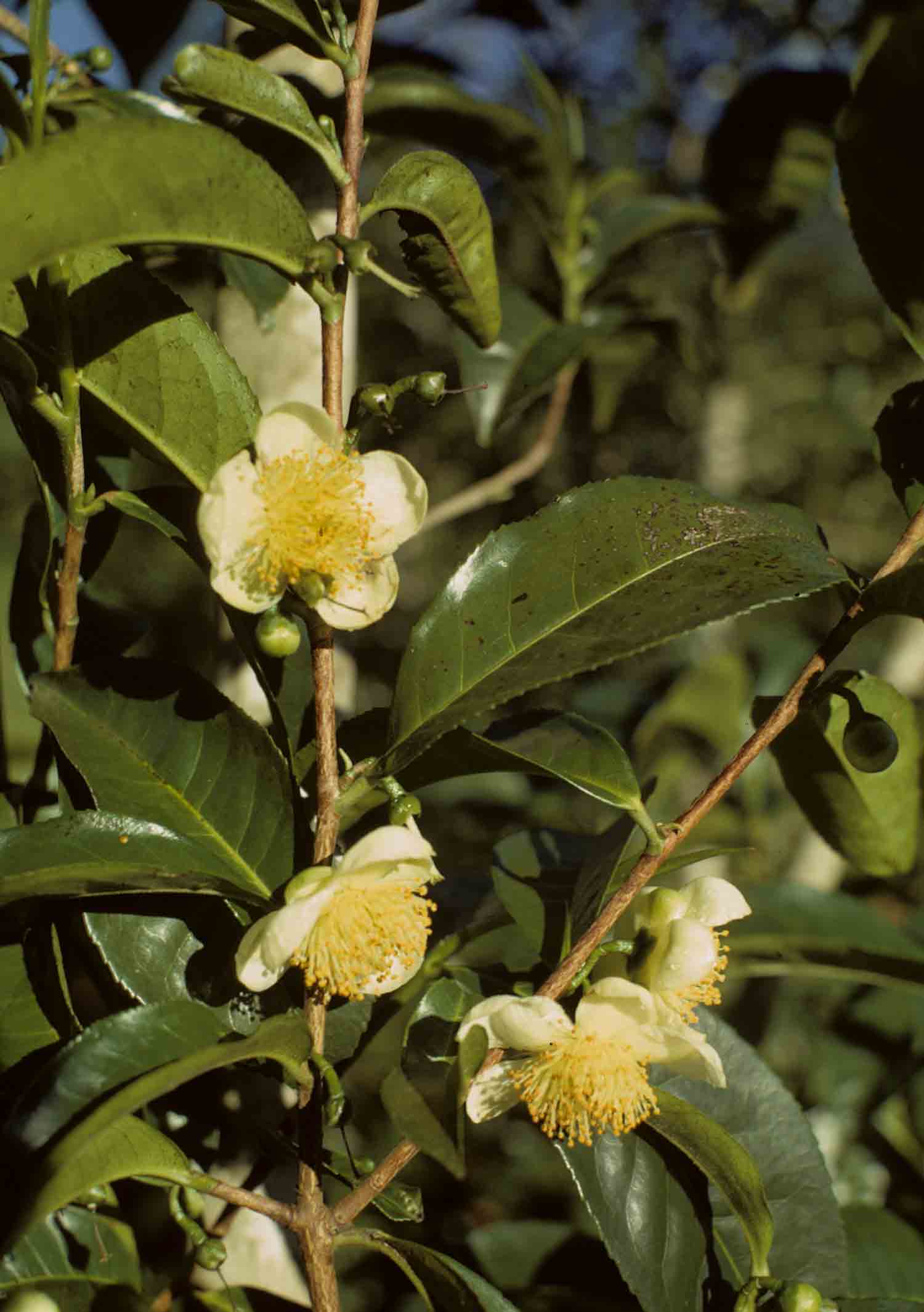
Camellia sinensis tea plant

Tea drinking may have begun in the region of Yunnan, where people originally used it for medicinal purposes. Although people have assumed—and asserted—health benefits throughout history, there is no high-quality evidence showing that drinking tea provides significant benefits other than (possibly) increasing alertness, due to the caffeine in the tea leaves. Caffeine makes up about 3% of tea’s dry weight, which translates to between 30 and 90 milligrams per 8.5 US fl oz cup, depending on the type (black has more caffeine than green or white), brand, and brewing method.

Historians believe that people in Sichuan began boiling tea leaves for a concentrated drink without the addition of other leaves or herbs, producing a bitter, stimulating drink, rather than a medicinal concoction.

Archeologists discovered the earliest physical evidence of tea in 2016 in the mausoleum of Emperor Jing in Xi’an, who died in 141 BCE. Han dynasty emperors drank tea from the genus Camellia as early as the second century BCE.

In ancient China, people pressed tea leaves into bricks for use as currency during trade or as a form of tribute. This practice underscores the value and importance of tea in historical societies. These tea bricks were useful for trading goods, paying taxes, or as dowries.

Tea in Europe

Portuguese priests and merchants introduced tea to Europe during the 16th century. The earliest European reference to tea, written as chiai, came from Delle navigationi e viaggi written by Venetian Giambattista Ramusio in 1545.

During the 17th century, drinking tea became fashionable among the British upper classes. Shortly after, British aristocrats started to plant tea on a large scale in India, where it had previously served only as a medicine.

Garaway’s coffee house in London first sold tea in 1657. Samuel Pepys wrote of tasting tea in his diary in 1660. Catherine of Braganza took the tea-drinking habit to the English court when she married Charles II in 1662. Still, tea was not widely consumed in the British Isles until the 18th century.

British drinkers preferred to add sugar and milk to black tea, and black tea overtook green tea in popularity in the 1720s. In Britain and Ireland, people initially viewed it as a luxury item for special occasions, such as religious festivals, wakes, and domestic work gatherings.

The price in Europe fell steadily during the 19th century, especially after Indian tea began to arrive in large quantities; by the late 19th century, tea had become an everyday beverage for all levels of society.

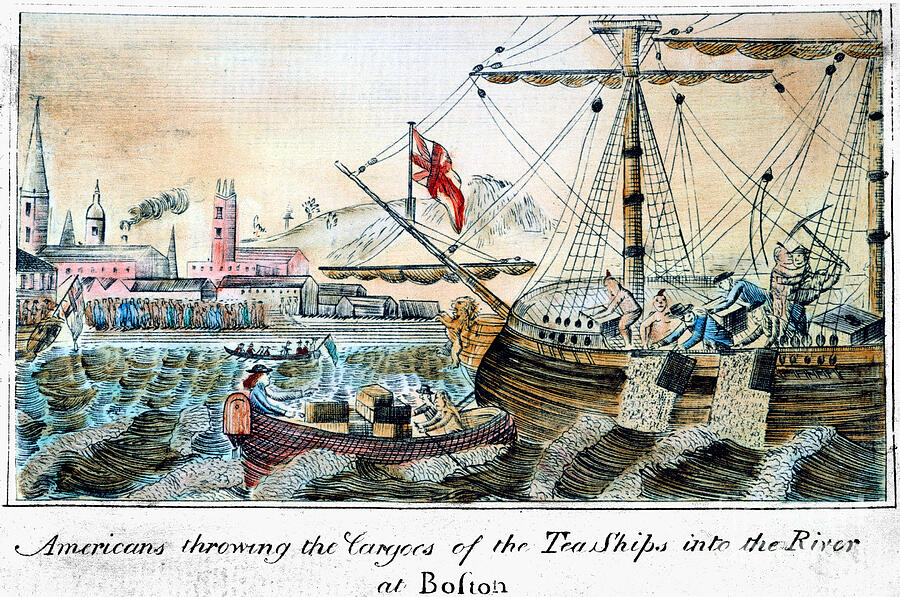
The popularity of tea played a role in U.S. history: the Tea Act of 1773 provoked the Boston Tea Party that escalated into the American Revolution.

In fact, John Adams called tea a “Traitor’s Drink.” Sentiments like this led to a 10-year boycott of tea altogether. Many American colonists switched to growing and drinking coffee.

Varieties of Tea

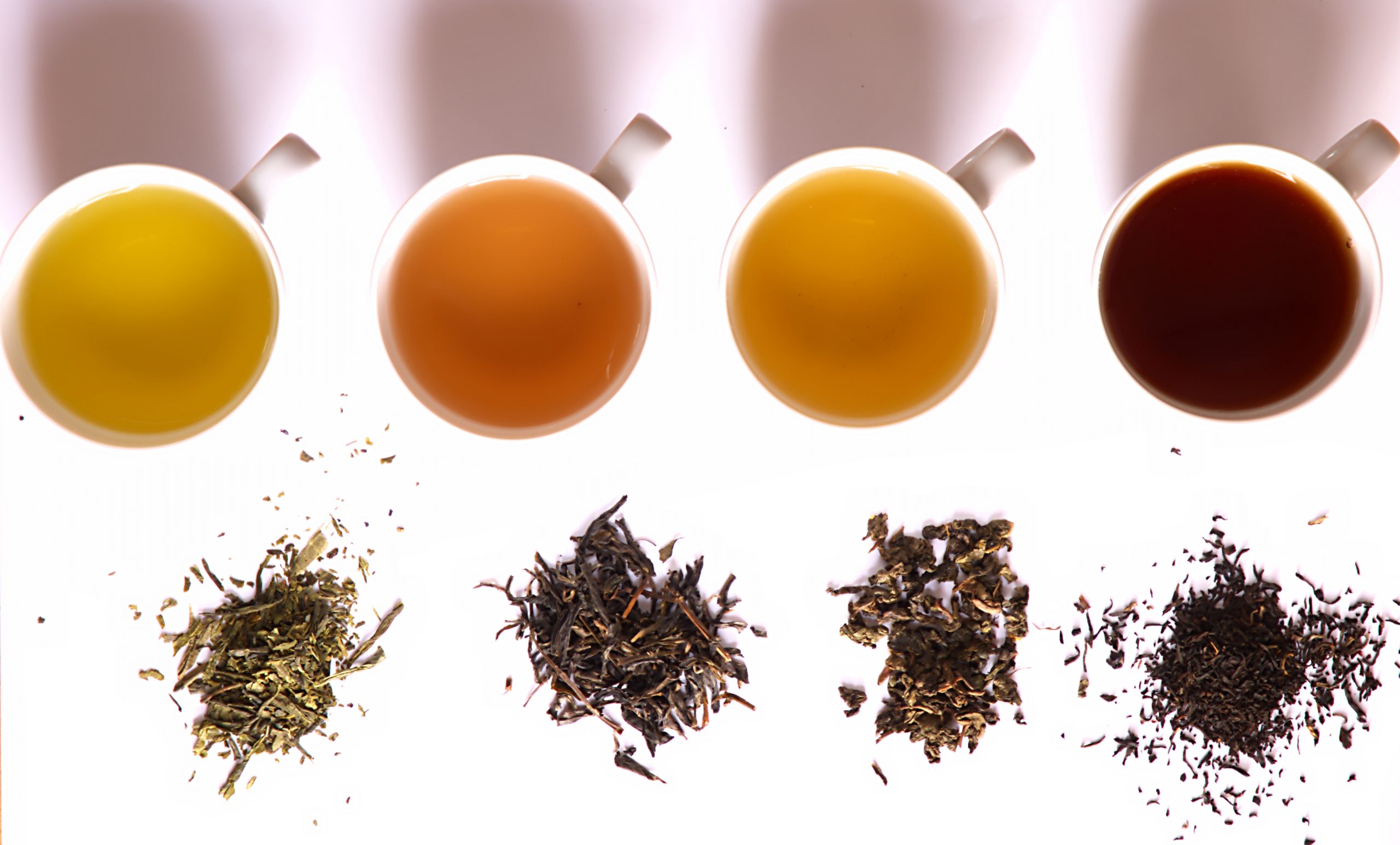
There are many types of tea; some have a cooling, slightly bitter, and astringent flavor, while others have profiles that include sweet, nutty, floral, or grassy notes.

Most Camellia sinensis leaves are harvested when the plant is about three to five feet tall. If the growers leave the plant to grow, it can turn into a massive tree that can soar over 50 feet tall!

The term herbal tea refers to drinks not made from Camellia sinensis. They are infusions of fruit, leaves, or other plant parts, such as steeps of rosehip, chamomile, or rooibos. These are not to be confused with tea made from the tea plant.

Darjeeling tea only grows in one specific region of India. The Darjeeling district is about 70 square acres and sits at the base of the Himalayas.

According to legend, British aristocrat and Prime Minister Charles Grey was given tea infused with bergamot oil. He asked merchants to recreate it, and they named the tea “Earl Grey” for the man who loved it so dearly.

Pu-Erh teas stay usable even after decades in storage. Makers of pu-erh press fermented and aged leaves into pucks and shapes that they then wrap and store.

Ludwig Roselius developed the first commercial decaffeination process. He began marketing decaf coffee (Kaffee HAG) in Europe by about 1905 and later in the United States in 1923.

Decaffeinated tea is very popular for those want the taste and feel of tea without the stimulant. To make decaffeinated tea at home, steep your leaves for twenty seconds to one minute. This releases most of the caffeine. Pour out the caffeinated water and fill your teapot or kettle again to re-steep the decaffeinated tea to the desired strength.

Modern Convenience

“Instant tea” (similar to freeze-dried instant coffee ) is a modern alternative to brewed tea. Food scientists developed it in the 1930s, though Nestlé introduced the first commercial product in 1946. Redi-Tea introduced instant iced tea in 1953. Additives such as chai, vanilla, honey or fruit, are popular, as is powdered milk.

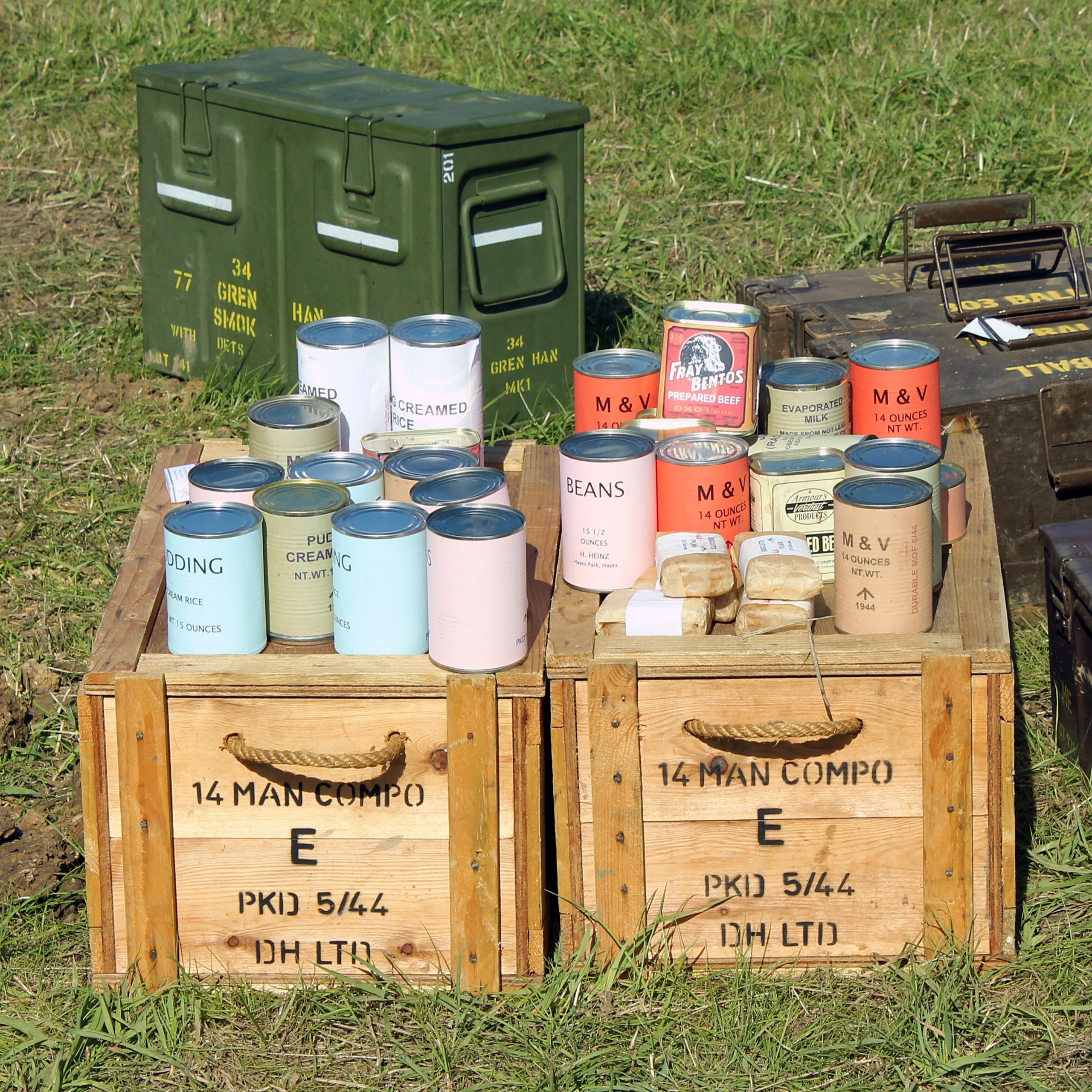
During World War II, British and Canadian command issued soldiers an instant tea in their composite ration (“compo”) packs. These blocks of instant tea, powdered milk, and sugar were not always well received!

In 1981, Japanese brewers introduced canned tea ready to drink. PT Sinar Sosro, an Indonesian company, introduced the first bottled tea 1969 with the brand name Teh Botol Sosro (or Sosro bottled tea). In 1983, Swiss-based Bischofszell Food Ltd. was the first company to bottle iced tea on an industrial scale.

Tea Culture

It is nearly impossible to overstate the importance of tea as a cultural phenomenon. Many countries with a history of growing or importing tea have developed social patterns around drinking it. Turkish merchants share glasses of çay before starting any serious deal-making. Traditional Chinese doctors often prescribe precise infusions of 茶 for a variety of ailments. Vietnamese couples serve trà sen to older family members as part of a Đám Hỏi wedding ceremony. Tibetans will drink up to 60 cups of yak butter bho jha every day.

British Teatime

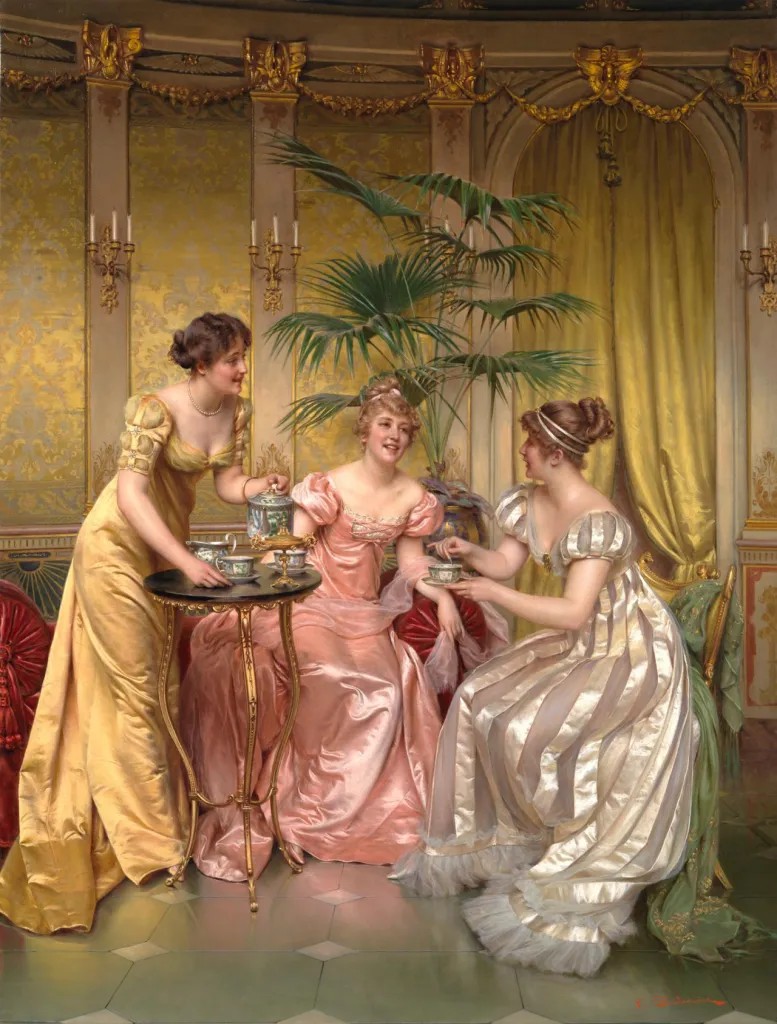
When we think of teatime, what comes to mind is likely some variation of British afternoon tea. It comes in many shapes and forms, from an afternoon cup of a favorite blend to a formal event with multiple teas, scones, clotted cream, and finger sandwiches. Afternoon tea —also known as “low tea” for the low coffee tables it’s served on — was enjoyed by royalty and the upper-class. 

Social events like parties and dances grew out of the afternoon teatime custom. People invite friends and neighbors for socializing, music, and dancing, followed by sharing afternoon tea.

In Britain, high tea is very different. Common among the lower classes, it is a hearty evening meal served at a high dining table with a pot of tea.

Japanese Teaism

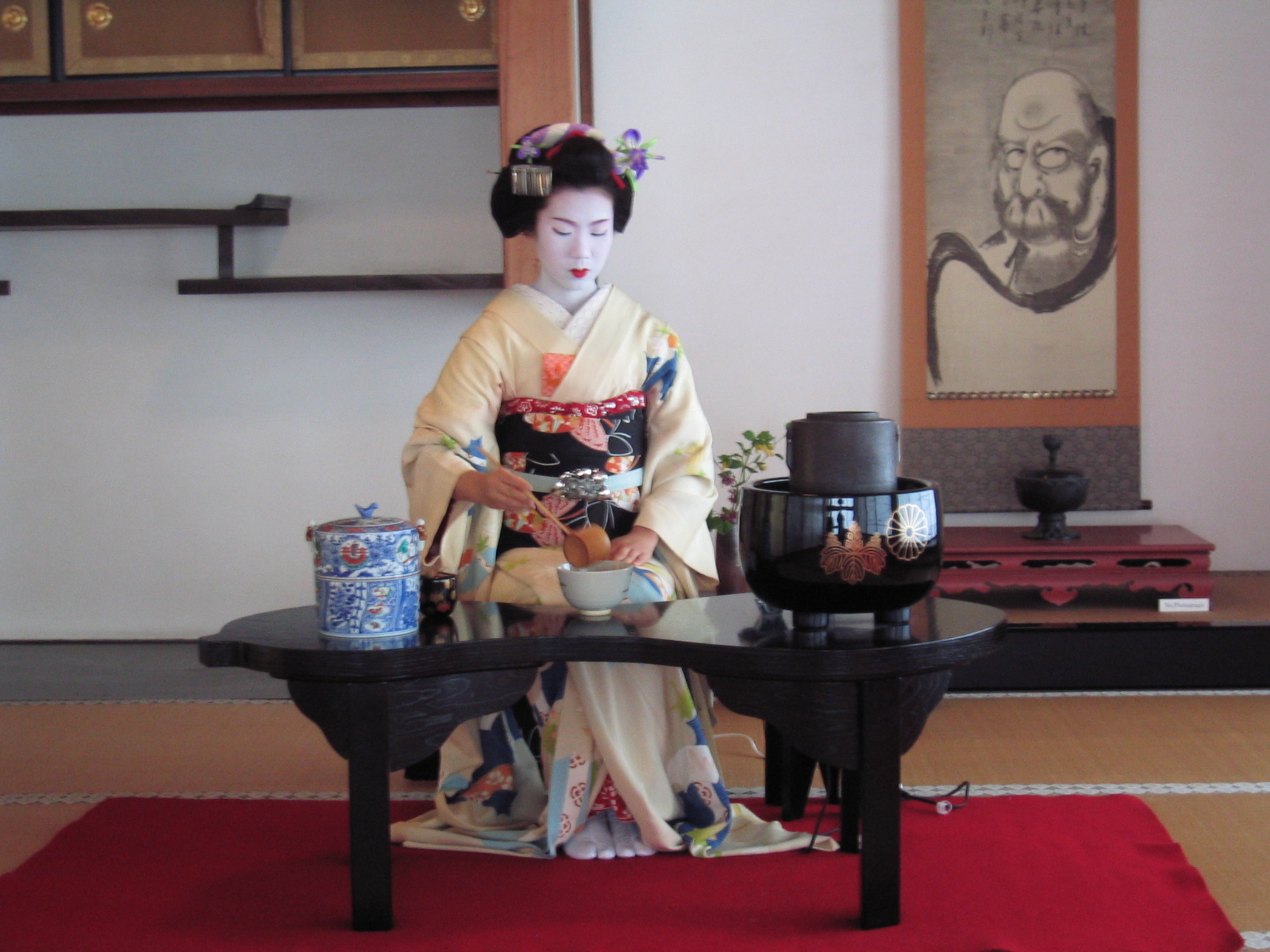
In the 1500s, the tea master Sen no Rikyu perfected the Japanese tea ceremony, elevating it to an art form. In Japanese, the word “teaism” is more accurate than the English “ceremony”, as it more closely captures the religious and philosophical elements of the occasion.

Zen Buddhism and Shinto Buddhism both influenced teaism, as seen in the architecture of teahouses and ritual purification steps.

The most formal style of chaji occurs around noon during cool weather. Guests and hosts follow a precise order of steps, including reflecting on a scroll or flower arrangement, eating special foods, purifying and arranging utensils, and passing a cup of matcha.

Making Tea

2000 tea leaves make one pound of tea—or 200-250 cups. There are a variety of methods for steeping and enjoying a hot brew.

The process starts with heating water, often in a dedicated kettle or samovar. Connoisseurs will take care to heat the water to precise temperatures for optimal brewing. White tea steeps best in water 160-180 degrees; black tea steeps best in water 200-212 degrees.

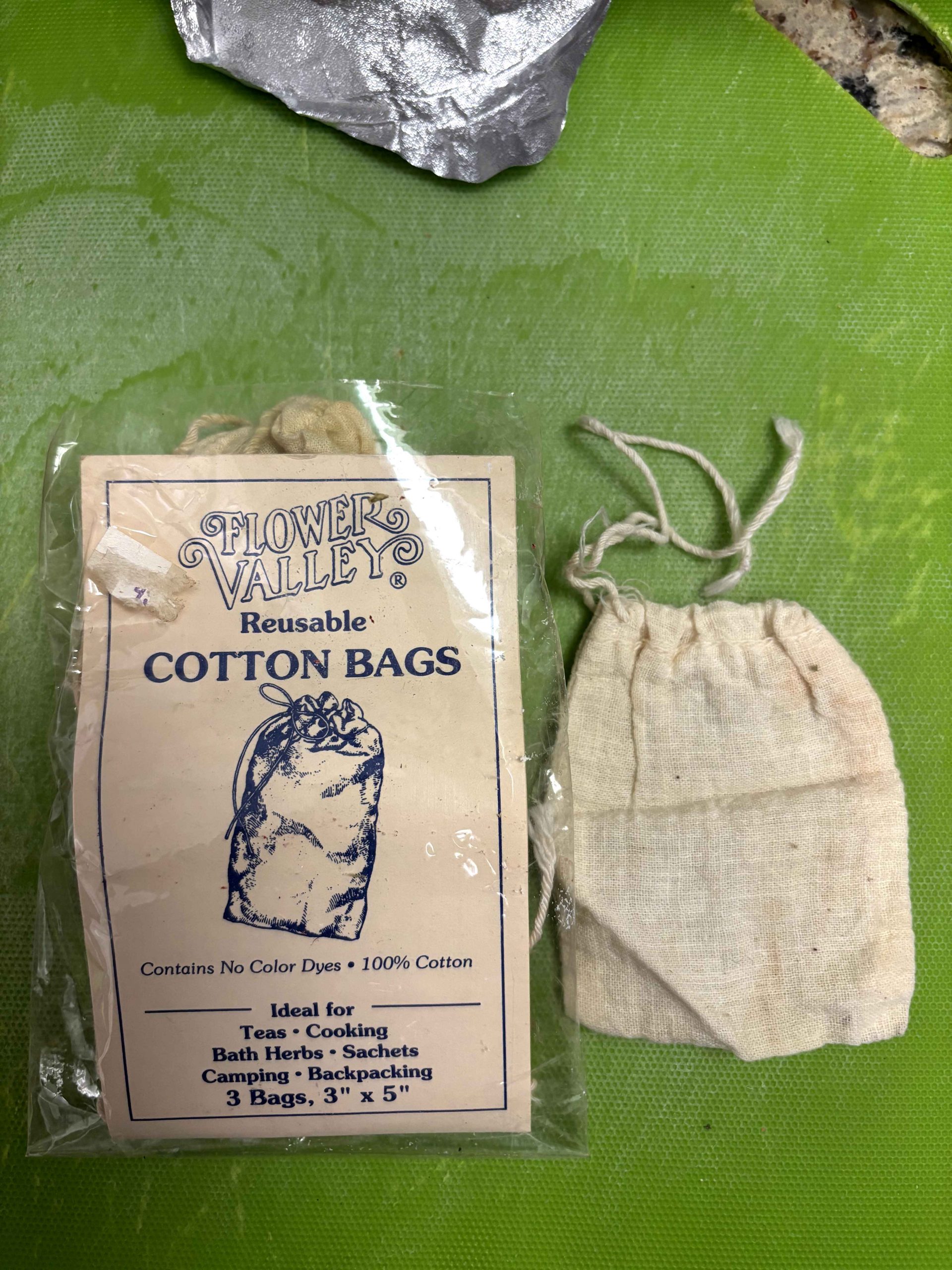
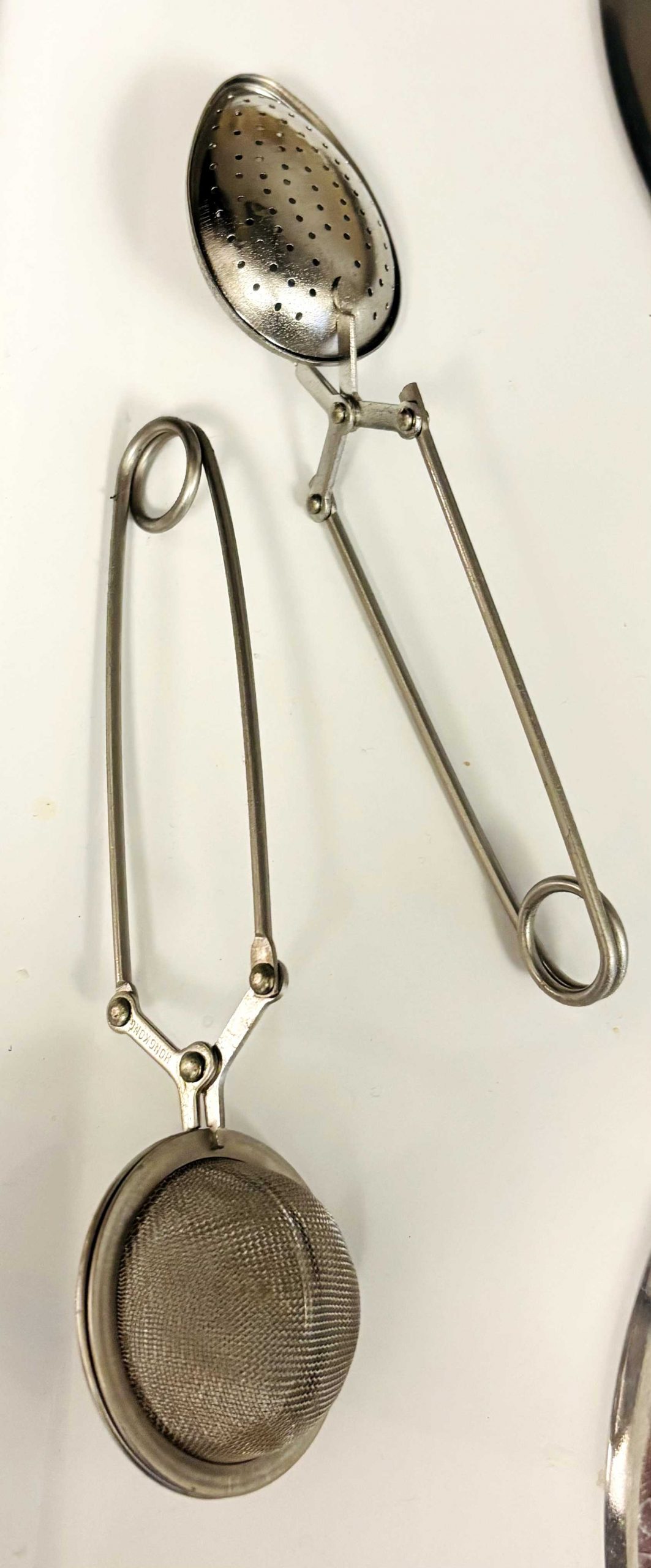
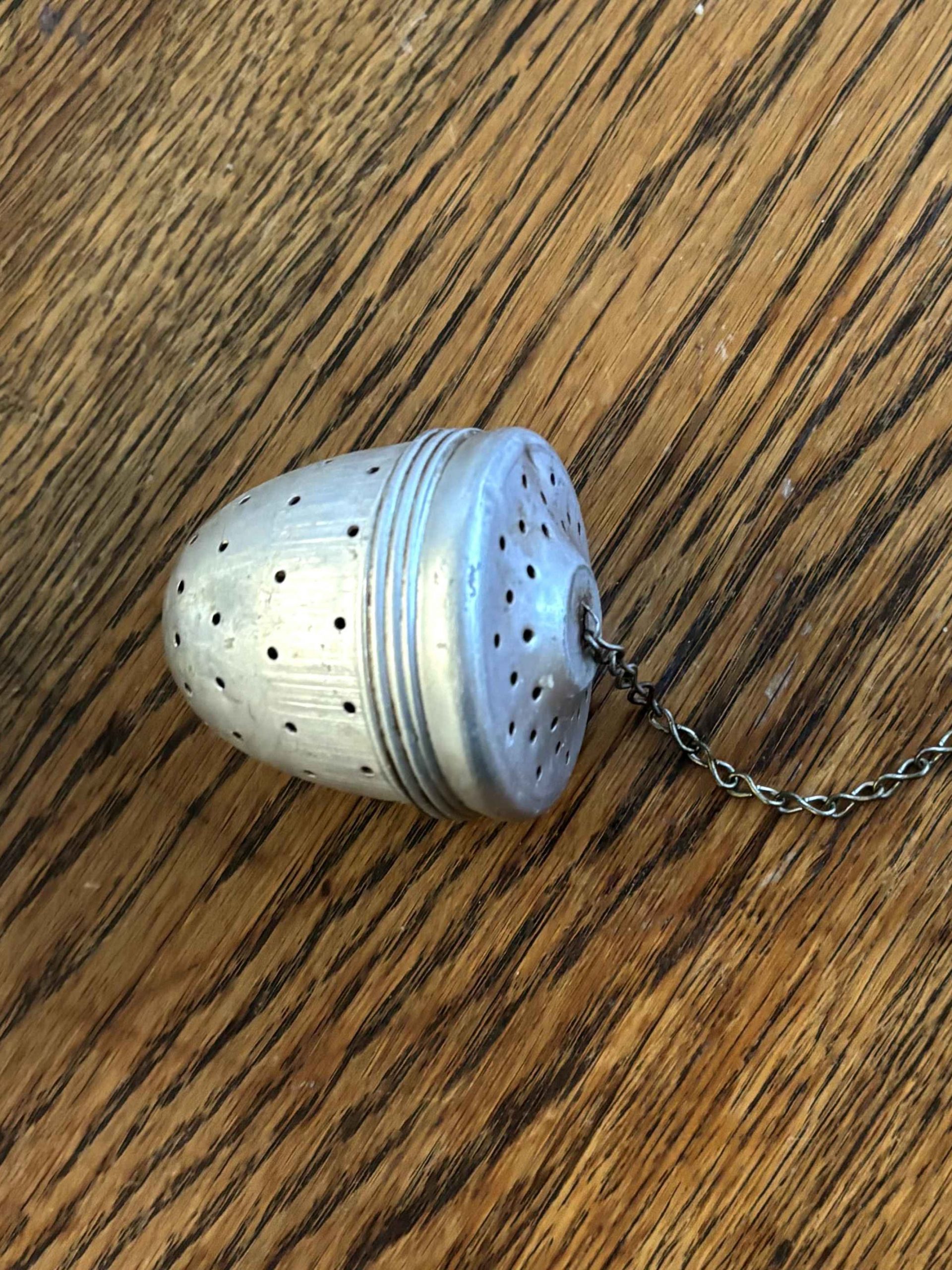
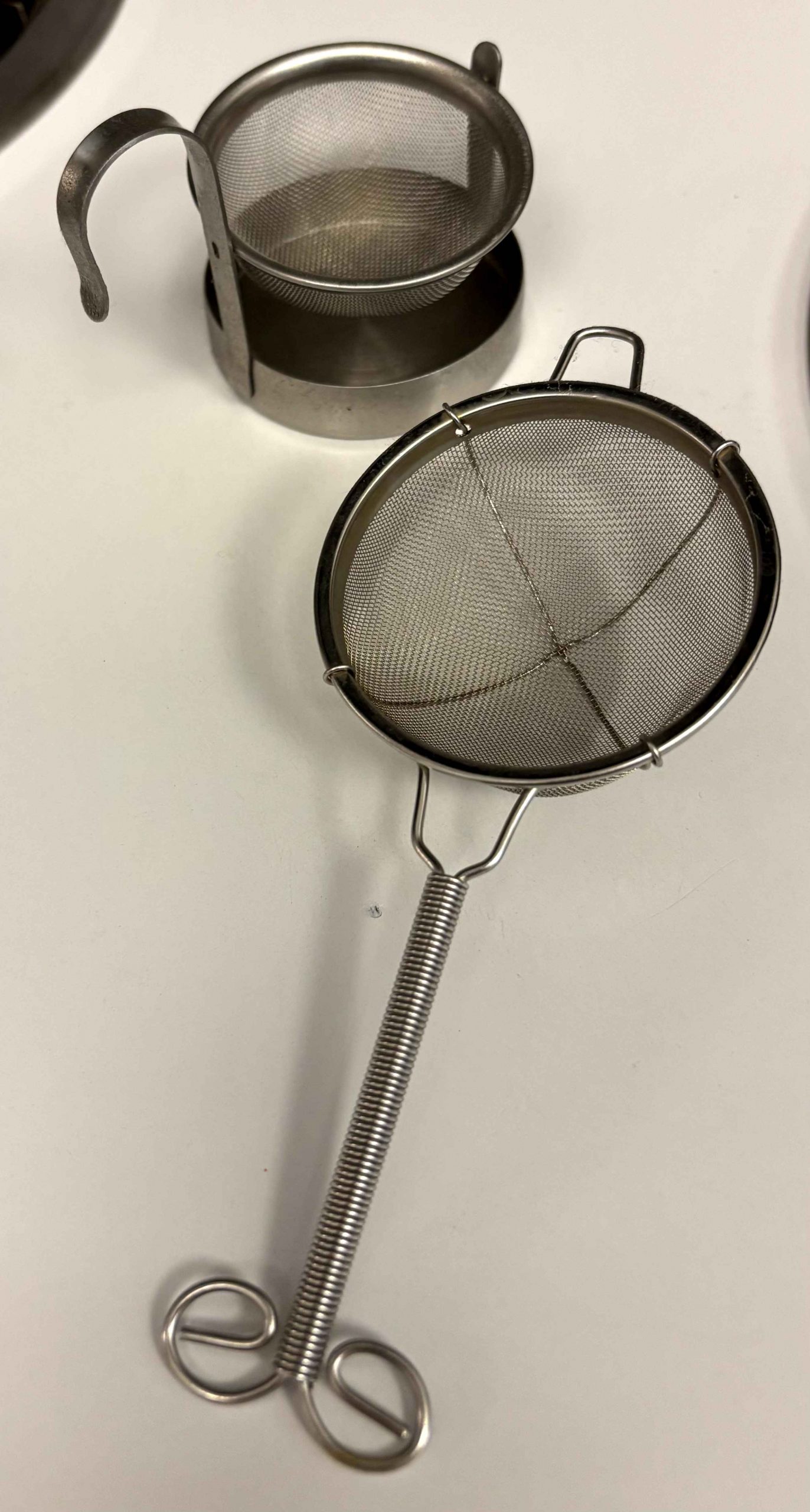
By measuring loose tea leaves individually for use, the “brewer” has maximum control over strength and flavor. Strainers, tea balls, tea presses, filtered teapots, and infusion bags prevent loose leaves from floating in the tea and over-brewing. Too inconvenient?

Tea bags and balls hold leaves while allowing for hot water to circulate. Most conventional teabags are made with materials that don’t decompose, but it is possible to find reusable or biodegradable bags. Tea balls are small metal or porcelain containers for holding leaves while infusing, with a spring or latch holding them closed.

On August 26, 1901, the two Wisconsin women, Roberta C. Lawson and Mary Molaren, filed a patent (US723287) for a unique (at the time) ‘Tea-Leaf Holder’ that is remarkably similar to the modern tea bag. Statistics show that as many as 98 percent of Americans and 96 percent of U.K. residents use tea bags. Tea-drinkers also use them extensively in India, Japan, and elsewhere.

Tea Sets

Russian tea samovar and podstakannik
Russian samovar and podstakannik

A tea set typically includes everything needed for steeping and serving hot tea. At a minimum, this may just be a teapot and a cup.

  • A full British set will include several cups and saucers, a sugar bowl, a milk jug, and a few teaspoons.
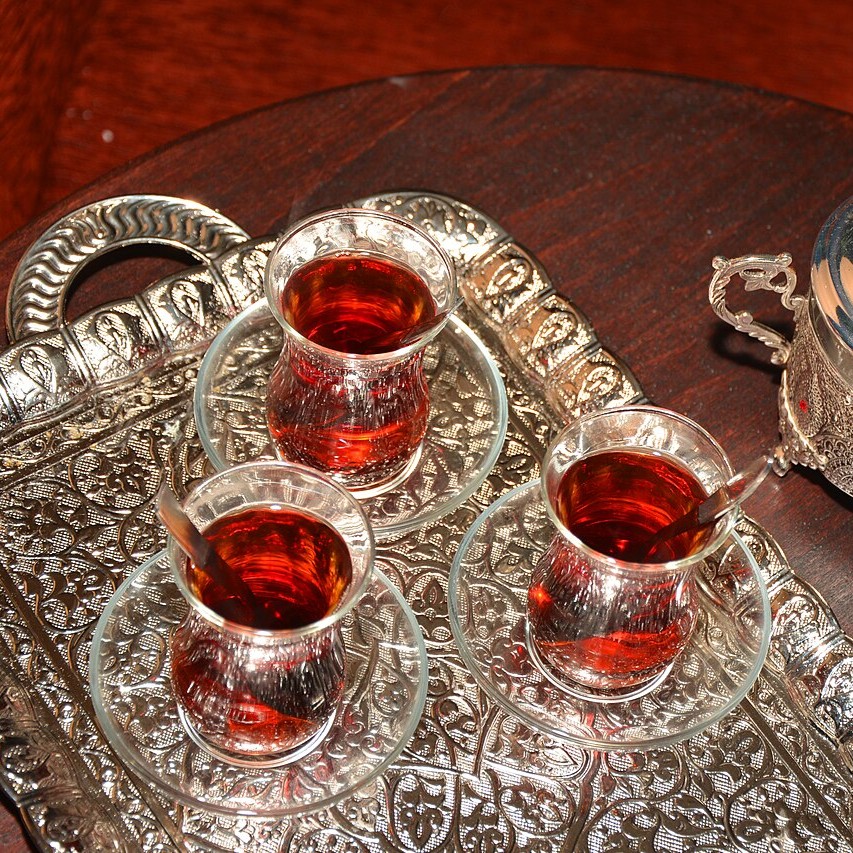
  • A Turkish set will include a çaydanlık pot, ince belli glasses, spoons, and a bowl for beet sugar cubes.
  • A Russian set will include a samovar, containers for hot and cold water, several bowls for a variety of sweeteners, spoons, and either porcelain cups and saucers or glasses with metal podstakannik holders.

Some teapots include a mesh or strainer on the inside of the spout to catch soggy leaves before they can tumble into the cup.

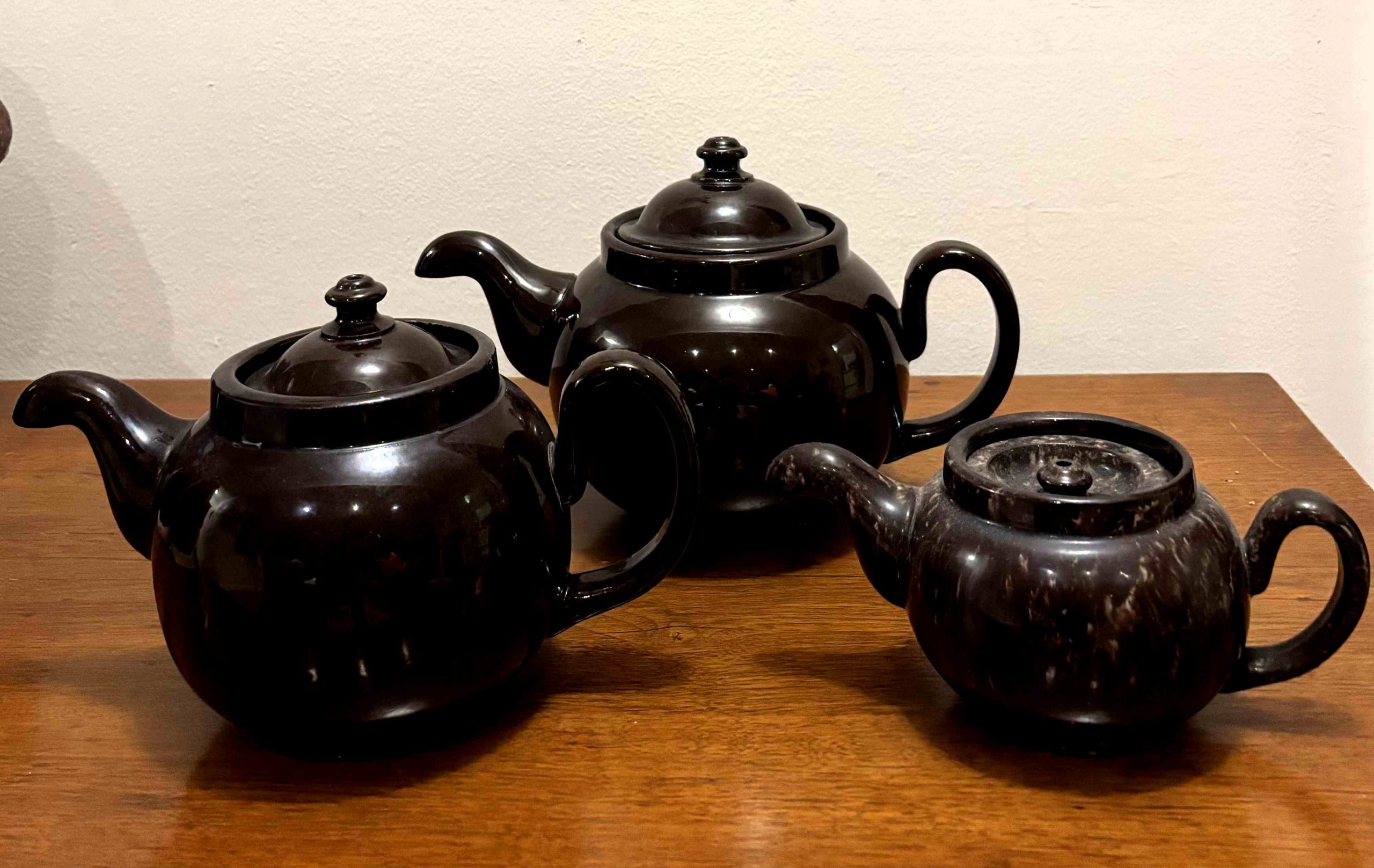
no-drip tea pots
If you follow me on Facebook, you already know that these 3 teapots are the best no-drip pots ever. 

Interesting Tea Facts

The word tea itself has multiple meanings: beverage, leaves, plant, social event, evening meal, slang for marijuana, and slang for personal or secret information.

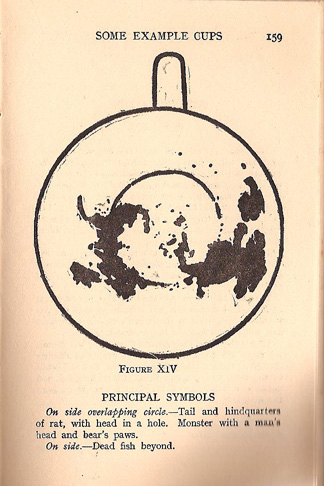
Tasseography—or tasseomancy—is a fortune-telling method that a trained practitioner can perform with tea leaves, coffee grounds, and even wine sediment. A “Highland Seer” wrote the book Reading Tea Leaves in 1881. Tasseographers still use it as a guide today.

According to the Tea Association of the U.S.A. (yes, that’s a thing), 84% of the tea consumed in America is black—of that, 75-85% is served as iced tea. 

Although tea originates in the southern regions of China, today it grows anywhere with the correct climate. There are plantations in India, Sri Lanka, the Republic of Georgia, Kenya, Vietnam, Türkiye, and South Africa. It’s even grown in South Carolina and Hawaii!

Furniture and Accessories

The popularity of tea and its role in social functions has led to the creation of specialized paraphernalia to aid in its enjoyment. In English, we refer to a whole class of towels, spoons, carts, and tables specifically by their association with brewed Camellia sinensis leaves.

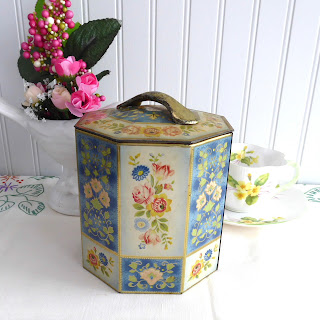
Tea caddy

In the 18th century, most tea caddies had a lock, the key kept by the lady of the house to prevent theft. Early artisans made these containers of various materials, including blue and white porcelain from China. Later caddies were typically made of wood adorned with brass, ivory, tortoiseshell, and other elements. 

A tea chest can mean a synonym for a caddy. Alternatively, it can refer to a square wooden case, usually lined with sheet lead or tin, used for shipping the dried leaves.

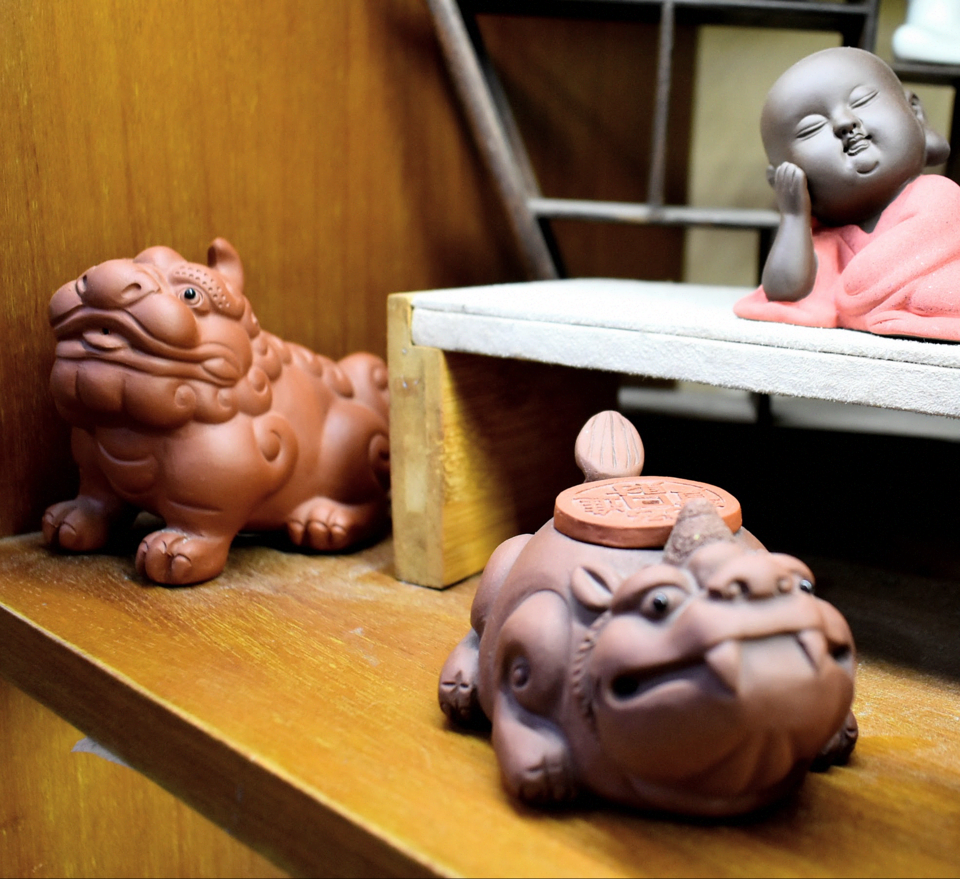
Tea pets

Tea pets are tiny clay statues that have no soul when you purchase them. Over time, as you pour tea — which has a soul — over them, the soul within your tea transfers to your pet.

A teapoy is a piece of furniture, originally a three-legged table. The name originally came from the Hindi word tīn, meaning three, and the Persian word pāi, meaning foot. By association with the word “tea” in the middle of the 19th century, it is also used to describe a table with a container for tea, or a table for holding a tea service. In the 19th century, the word was also sometimes applied to a large porcelain or earthenware tea caddy, and more frequently to the small bottles, often of enamel, which fitted into receptacles in the caddy and actually contained the tea.

Bottom Line: January is National Hot Tea Month. There’s more to tea than you probably knew!