SIDE EFFECTS OF NAMES

I confess: my interest in names goes back years, and I’ve written about them before. Previous blogs have focused on pen names, aliases, naming history, character names, and a reader’s perception of those names. But this blog has a different focus: work and education.

So, what might people be doing for—or to—their children inadvertently?

Names at School

For good or ill, it starts young. Consider educational institutions.

Race
names perception

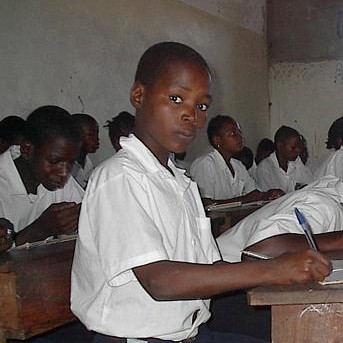
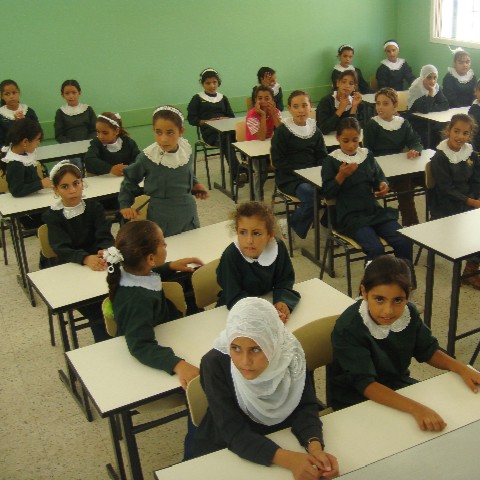
Economist David N. Figlio, found that children with names associated with Black communities—like Da’Quan—receive different treatment in school than siblings with stereotypically Caucasian monikers. Furthermore, analyses suggest that the sound and spelling combinations trigger educators’ impressions.

A child with a name like Damarcus was 2% less likely than his brother David to be referred to a program for the gifted—even when both boys had identical test scores. All else being equal, the students with unusual names were also less likely than their conventionally named siblings to be promoted to the next grade. Figlio suggests both tendencies reflect teachers’ lower expectations for those children.

It may not be entirely subjective: districtwide, the uncommonly named children had lower mathematics and reading scores than their traditionally named peers. Could this be a case of self-fulfilling prophecy?

Gender
If you are a boy with a girl’s name, you could be more likely to face school suspension. In Figlio’s 2005 study, boys with names most commonly given to girls misbehaved more in middle school and were more likely to disrupt their peers. He also found that their behavioral problems were linked with increased disciplinary problems and lower test scores.

Personal note: I have an uncle from a large family named Pearl for his mother’s father and brother. He became one of the most successful of his siblings. That may just be an older generation. Or maybe it’s because he went by the nickname Butch!

Popularity and Crime
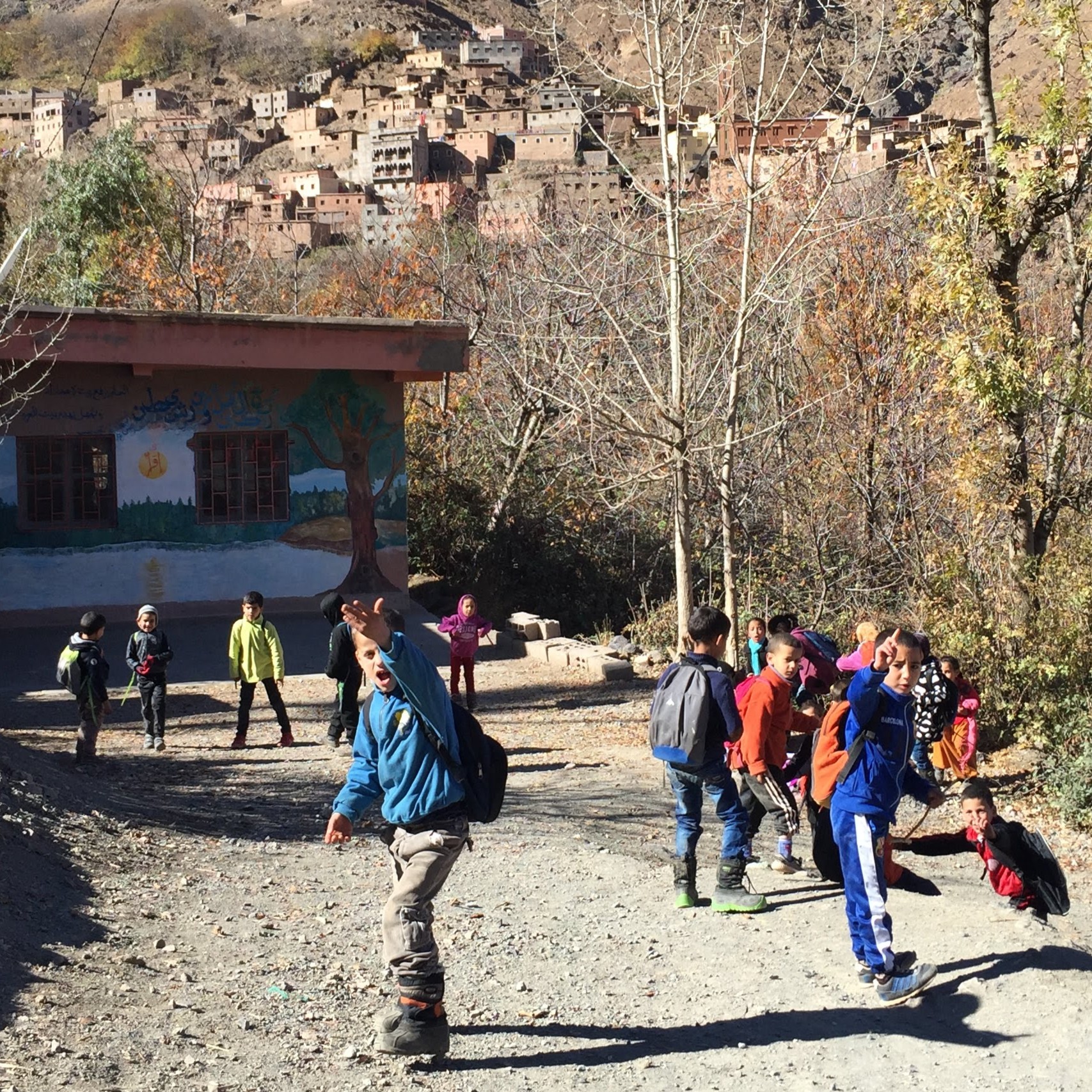
A 2009 study at Shippensburg University reported a strong relationship between the popularity of one’s first name and juvenile criminal. Regardless of race, young people with unpopular names were more likely to engage in criminal activity. “Adolescents with unpopular names may be more prone to crime because they are treated differently by their peers, making it more difficult for them to form relationships.”

Alternatively, “Juveniles with unpopular names may also act out because they … dislike their names.”

Alphabetically
names perception

And furthermore, according to a study published in the Economics of Education Review, if your last name is closer to the beginning of the alphabet, you could get into a better school. They found that even though students with low-in-the-alphabet last names tended to get higher test scores overall, among the students who applied to universities and were on the margins of getting admitted or not, those with last names that were close to the top of the alphabet were more likely to be admitted. This study was done with Czech students. There are no data indicating that this doesn’t apply in other countries.

Names at Work

Moving into the world of work. Business Insider published an extensive review of relevant research. Here is a summary of their review.

Easy and Common

names perception

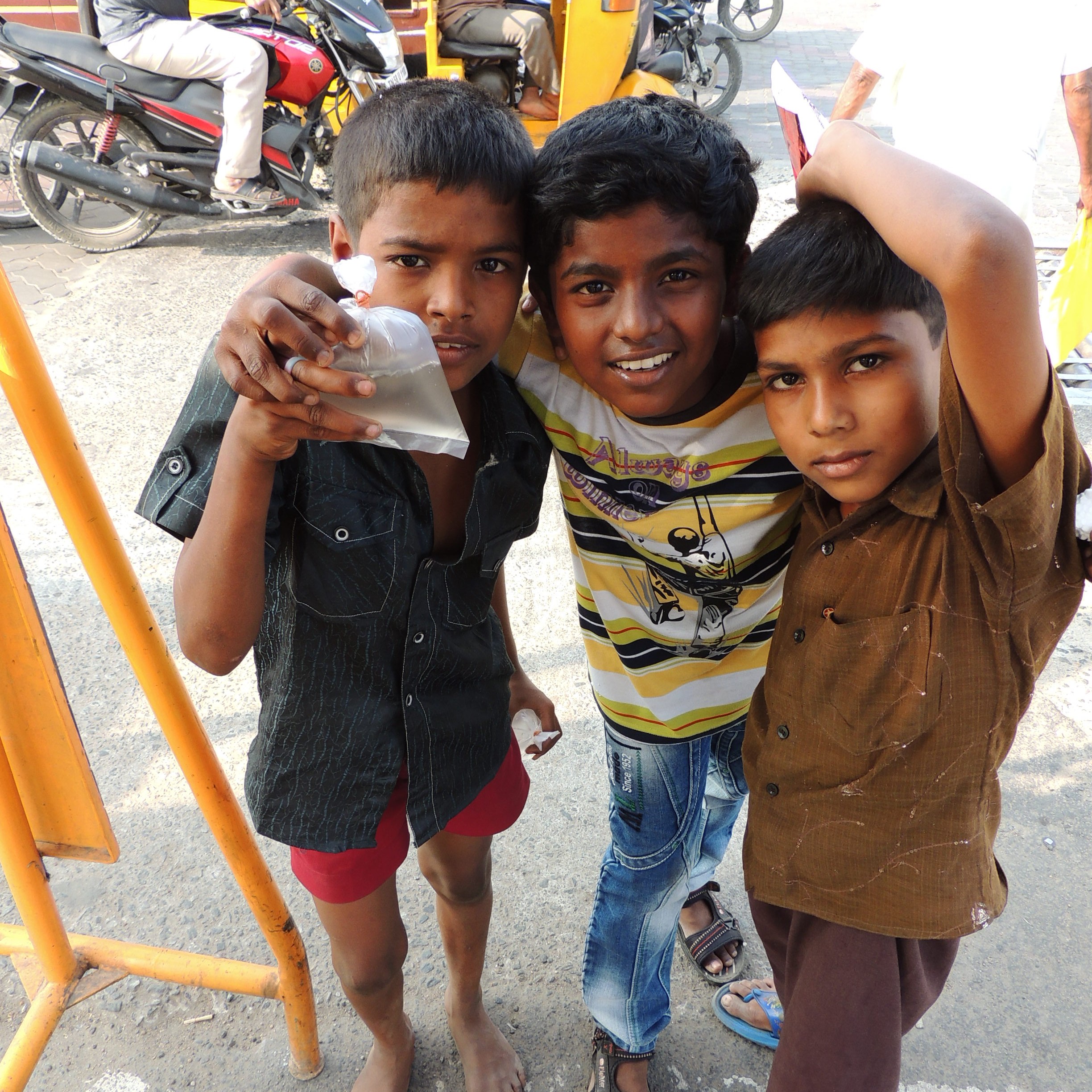
If your name is easy to pronounce, people will favor you more—similar to Figlio’s findings, above. In a Marquette University  study, the researchers found evidence that names that were viewed as the least unique were more likable.

In a New York University study , researchers found that people with easier-to-pronounce names often have higher-status positions at work. Adam Alter, psychologist, quoted in Wired : “When we can process a piece of information more easily, when it’s easier to comprehend, we come to like it.”

People with common names were more likely to be hired, and those with rare names were least likely to be hired.

Ethnicity

If you have a white-sounding name, you’re more likely to be successful in your job hunt.

In a study described in The Atlantic, white-sounding names like Emily Walsh and Greg Baker got nearly 50% more callbacks than candidates with black-sounding names like Lakisha Washington and Jamal Jones. Researchers determined that having a white-sounding name is worth as much as eight years of work experience .

Nobility

names perception

If your name sounds noble, you are more likely to work in a high-ranking position.

In a European study, researchers studied German names and ranks within companies. Those with last names such as Kaiser (“emperor”) or König (“king”) were in more managerial positions than those with last names that referred to common occupations, such as Koch (“cook”) or Bauer (“farmer”). This could be the result of associative reasoning, a psychological theory that people automatically link emotions and previous knowledge with similar words or phrases.

Gender

If you are a woman with a gender-neutral name, you may be more likely to succeed in certain fields. In a citation of The Atlantic, in male-dominated fields such as engineering and law, women with gender-neutral names may be more successful. One study found that women with “masculine names” like Leslie, Jan, or Cameron tended to be more successful in legal careers.

Men with shorter first names are overrepresented in the c-suite—i.e., among CEOs, CFOs, COOs, etc. In 2011, LinkedIn analyzed more than 100 million user profiles to find out which names are most associated with the CEO position. The most common names for men were short, often one-syllable names like Bob, Jack, and Bruce. A name specialist speculated that men in power may use nicknames to offer a sense of friendliness and openness. 

On the other hand, the same study found that women at the top are more likely to use their full names. Perhaps women use their full names in an attempt to project professionalism and gravitas.

Middle Initial

Using your middle initial makes people think you’re smarter and more competent. According to research published in the European Journal of Social Psychology, using a middle initial increases people’s perceptions of your intellectual capacity and performance. In one study, students rated an essay whose authors had varying numbers of initials. The one with the most initials, David F.P.R. Clark, received the best reviews.

Social Psychology

The relationship between names and person perception is a fascinating topic in social psychology and communication studies. Here are some brief observations on the subject.

First Impressions and Stereotypes

Names often trigger automatic associations or stereotypes based on cultural, ethnic, or social cues. For example, people might perceive certain names as more traditional, modern, or linked to specific ethnic backgrounds.

These associations can influence initial judgments about a person’s personality, intelligence, socioeconomic status, or even trustworthiness.
names perception

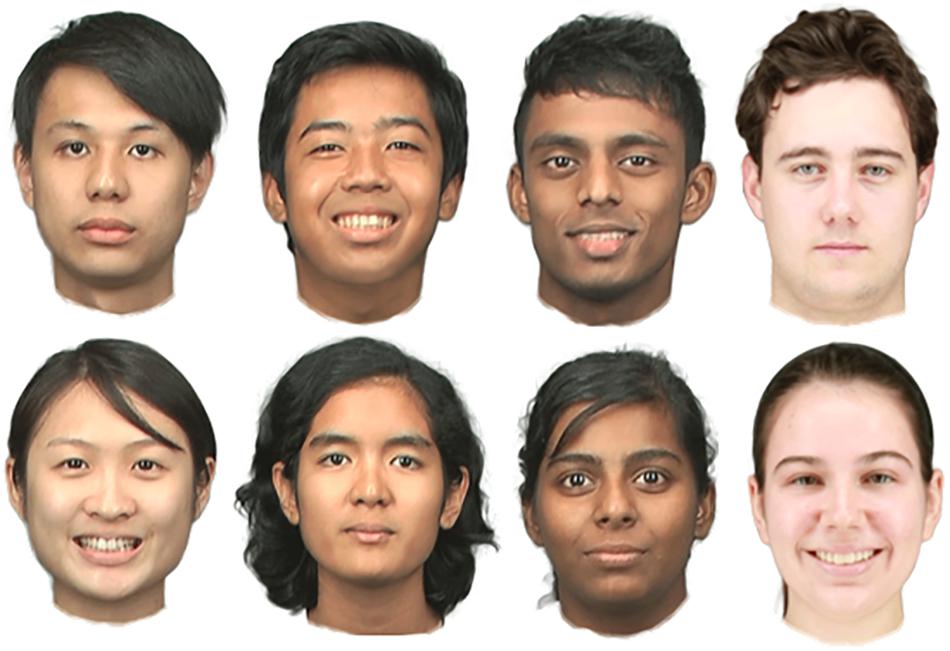
The idea that people often look like their names likely stems from these stereotypes. However, these stereotypes are pervasive enough that tests have shown people are able to match a stranger’s face to the correct name. Researchers theorize that participants are subconsciously responding to social expectations of how a person with a particular name should look.

Name Uniqueness and Individuality

Unique or unusual names can make a person stand out, sometimes positively by signaling creativity or uniqueness, or negatively by causing bias or misunderstanding.

The impact depends on context, culture, and individual differences.

Gender and Age Perceptions

Names often carry gendered and generational signals, influencing expectations about behavior or roles. For instance, people might associate older-sounding names with wisdom or conservatism. On the other hand younger-sounding names might evoke impressions of modernity or innovation.

Why This Matters

Understanding how names influence perception helps us recognize unconscious biases and encourages more equitable and compassionate social interactions. It reminds us that a name, while a simple label, carries complex social meanings that shape human connection.

Overview of Key Findings from Studies on Names and Success in the U.S.
Note: Names correlated with success in the U.S. can vary depending on how “success” is defined—whether by income, education, career achievement, or social status. Research on this topic often relies on data such as income tax records, educational attainment, or professional accomplishments linked to first names.

Studies analyzing tax data and census records have found that certain names correlate with higher average incomes and educational attainment.

A 2011 study by economist Steven Levitt and colleagues analyzed IRS data and found that names like Gregory, Matthew, and Jennifer were among those associated with higher incomes.

  • Names like Emily, Jacob, Michael, Sarah, and Jessica have historically been linked with higher socioeconomic status.
  • Conversely, some names statistically correlate with lower income or education levels, often reflecting systemic inequalities.
  • This is likely because names often reflect cultural, ethnic, and socioeconomic backgrounds, which influence access to resources and opportunities.

Modern Trends
  • Popular names change over time, and correlations can shift with demographic changes.
  • Unique or unusual names sometimes face bias, but this is context-dependent.
  • As society becomes more diverse and inclusive, the correlations of particular names with status may evolve.

Correlation does not prove causation: the findings presented here—these correlations—mean that names tend to vary together with certain other characteristics, behaviors, or outcomes. It is not the same as causation. The name itself does not cause success; it is a proxy for underlying factors like family background, education, and community.

Bottom Line: Names carry deep cultural, personal, and societal meanings, influencing identity, perception, and (often) success.

HOG HEAVEN

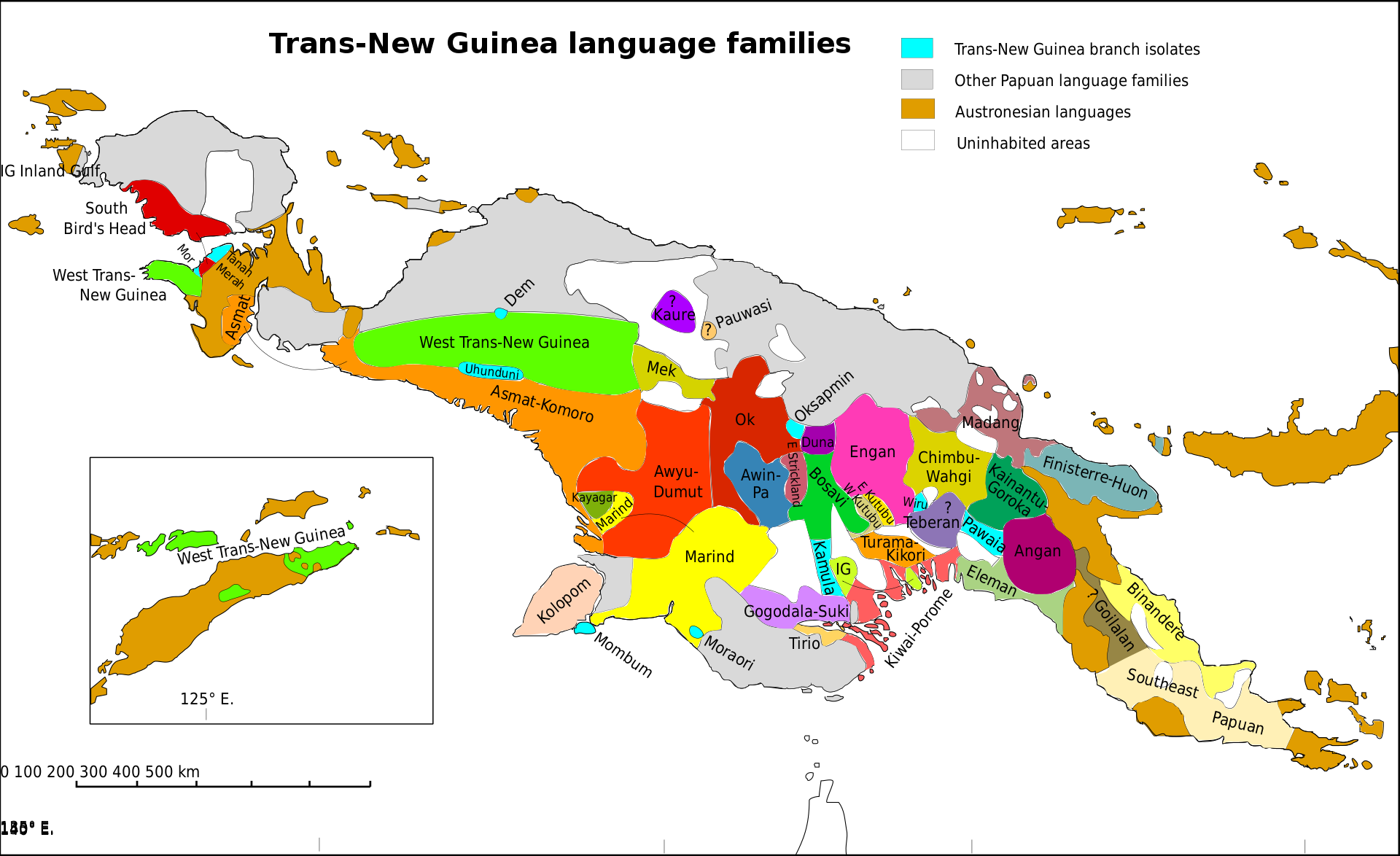
Papua New Guinea was long isolated from the rest of the world. The island is mountainous, and tribes located in tiny villages have warred with one another for five hundred generations. Even today, almost a thousand languages can be found (approximately 12% of all the languages spoken in the world). It is a wild place, where the outside world has had little influence, and cannibalism may be practiced, though there is some debate on how widespread the custom is today.

Actually, the only tribe which may still practice cannibalism is the Korowai tribe (a.k.a. Kolufu) in south-eastern Papua/south-eastern part of the western part of the New Guinea. But still, that is one marker of how very different human societies can be.

Archeological records suggest that pigs were introduced to New Guinea between 2,500 and 10,000 years ago, by way of a land bridge to Asia that has since disappeared.  Pigs play important roles among the peoples of Papua, especially so among those living in the Central Highlands. 

Apart from pigs and deer (originally brought in by the Europeans) there are not many mammals on these islands.  So, yes, pigs are bred for their meat, but they are rarely killed just for eating.  

The Pig Culture

In a section known as Kaulong, a pig culture prevails. The people believe pigs and humans are on a single continuum of existence, such that pigs may behave more or less like humans and humans may behave more or less like pigs.

Villagers say, “Pigs are our hearts!” Young pigs are treated as pets: they share their owner’s cooked food, are ritually named and baptized, are given magical treatments for illness, and women pre-chew tubers to feed to weak piglets.

The men own the pigs.  Although there is some assertion that women or children (rarely) own a pig, the counter argument is that the man has “given the pig into their care” and thus they speak of it as their own.

Raising pigs is an important responsibility, and there is no argument that women are the ones who care for these precious animals.

At birth, powdered lime is blown into the nostrils of the piglet to make it forget its natural mother and cause it to bond with its human one. 

Pigs are named, and share the women’s sleeping quarters. The women pet and handle them. Occasionally, small pigs unable to compete against siblings or orphaned piglets were breast fed by nursing mothers.

(If you search for “woman suckling pig” online, you can find images: a Huli woman breast feeding a child and a piglet the same time; and a Chimbu woman in the Eastern Highlands of Papua New Guinea breast feeding a piglet.) 

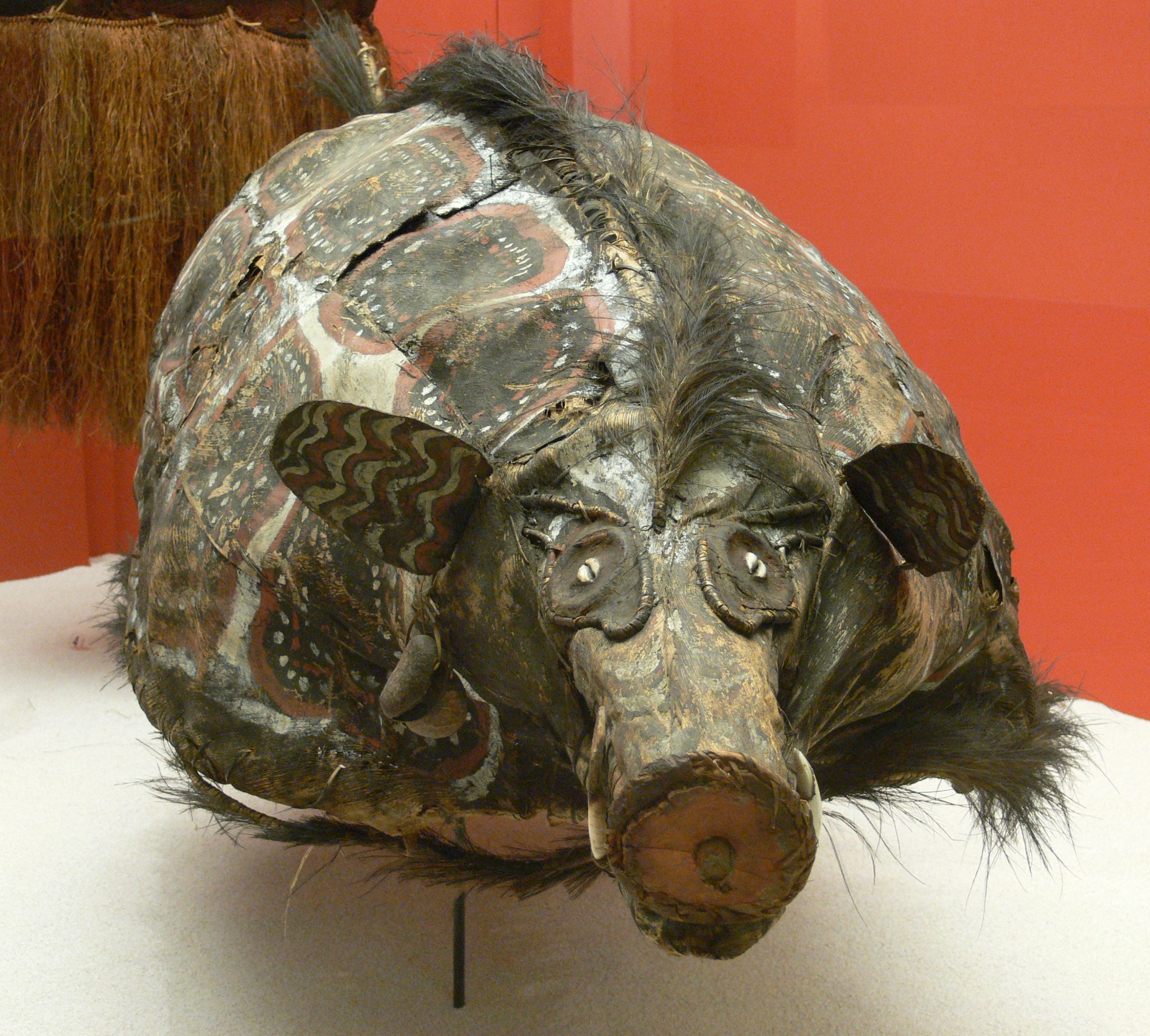
Ritual pig mask, Sepik region, Papua New Guinea

Pigs as Part of Ceremonies

Pigs are sacrificed in some places to appease the ancestral spirits, and they play central roles at major rites of passage: births, weaning of children, initiation of boys, a girl’s first menstruation, weddings, and funerals.  The most frequent occasion for eating pig meat is a funerary cremation.

Pig killing/eating accompanies many undertakings, such as house building and boat building.

The Korowai are also known for building raised houses that fascinate architects.

Much feasting accompanies festivals in which local men of influence match themselves in prestige competitions.

Pigs are exchanged at peacemaking ceremonies after violent disputes. 

A special occasion at which pig meat is eaten every day for weeks on end by men, women, and children, is during the major pig feasts, held at regular intervals. 

There are two exceptions: a pig which is sick, and a pig which has been stolen. Such pigs would be consumed as soon as possible, without the usual ceremony. 

Pigs for Status and Trade

Pigs are important symbol of political and social power.  The more pigs an individual has, the more pigs he can give away, leading to bigger feasts and a higher social status.

Pigs are the main dowry offered in exchange for brides.  

The most valuable pig to own is a “tusker.” These are pigs which have had their upper canines removed by a specialist, so that their lower canines can grow unimpeded, sometimes—after ten or twelve years—turning in a full circle to re-enter the lower jaw. After the ceremonial removal, the owner will use spells and all-night ceremonies to enhance that growth.

Adult tribe members blacken their own teeth with manganese oxide because white, visible teeth signify aggression (like a pig’s tusks). Tusks are made into ornaments, which a man must kill another man to earn permission to wear. When men are challenging another tribe in battle, they clench pigs’ tusks between their own teeth to appear more aggressive: “Watch out. I can be like a pig. I am powerful and dangerous.” 

BOTTOM LINE: Pigs are a very valuable commodity in this part of the world, because they are used to buy brides, in general commerce and trading, for feasts and important ceremonies. Pig ownership is a sign of a man’s wealth.  Thus—at (virtually) all costs—pigs are kept alive and pampered until needed. Seems like hog heaven to me!

WRITING ISOLATION

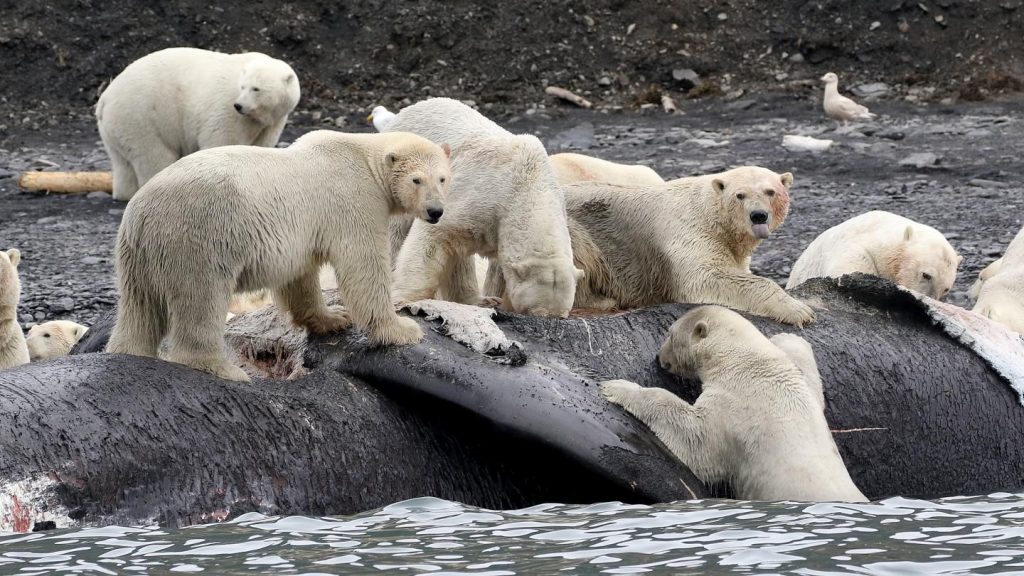
Sleuth of Bears

There is a whole cadre—Heidegger (1889-1976) arguably the most famous—who argue that being-with-others is part of the “structure of human existence.” In other words, we are hard-wired to socialize. Whether you believe that or not, there are a gazillion (by actual count) studies that have found isolation to be harmful to humans, both physically and psychologically. 

Litter of Puppies

(Editor’s note: Including photographs of isolated and lonely people was too depressing, so I invite you to enjoy these photos of animals not social distancing instead.)

For writers, bad is good

Pod of Dolphins

How bad is it?  Some researchers posit that social isolation and loneliness are twice as harmful as obesity. Others compare the effects on mortality to be equal to smoking 15 cigarettes per day. Others say the magnitude of risk is right up there with physical inactivity and lack of access to health care.

N.B.  Degrees or levels of isolation are difficult to define and measure.  Perceived isolation is what produces feelings of loneliness. In many ways, it is easier to study social isolation, though they are closely linked.

Pandemonium of Parrots

As a writer, the first question is, “Why is your character isolated?” Your options may be more numerous than you think. Here are a few examples.

  • Death of a loved one
  • Divorce
  • Move to a new place
  • Researcher in isolated places, like Antarctica 
  • Mission/mission training, e.g., astronauts
  • Immune compromised
Leap of Leopards
  • A child/infant in understaffed orphanage
  • Being shunned for any reason  
    • Behavior  
    • Appearance 
    • Membership in a marginalized subgroup
  • Medical quarantine
  • As a form of torture
    • Solitary confinement in prison (currently about 80,000 in the U.S. each year)
Tower of Giraffes

The second set of questions for a writer:

  • How complete is the isolation?
  • How long does it last?
  • Is it repeated?
  • In general, the more complete the isolation, the longer it lasts, and repetition all increase the number and seriousness of the effects. 
Mob of Kangaroos

The third question is, which effects will your character display? 

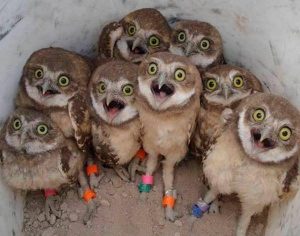
Parliament of Owls
  • Fatigue
  • Insomnia
  • Headaches
  • Sweaty palms
  • Heart palpitations
  • Lowered immunity
  • Increased inflammation 
  • Trembling
  • Diarrhea
  • Stomach pains
  • Lack of appetite
  • Drastic weight loss
Stand of Flamingos
  • Muscle pains (esp. neck and back)
  • Oversensitivity to sensory stimuli
  • Difficulty concentrating
  • Dizziness
  • Distorted sense of time
  • Severe boredom
  • Impaired memory
  • Inability to think coherently
  • Apathy
Conspiracy of Lemurs
  • Anxiety
  • Panic
  • Feelings of inadequacy
  • Feelings of inferiority
  • Irritability
  • Withdrawal
  • Rage/anger/aggression
  • Confusion
  • Paranoia
  • Depression
  • Suicidal thoughts
  • Hallucinations

Many of these effects mimic PTSD and, like PTSD, can last for years after the event.

Bale of Turtles

In the last couple of months, researchers are finding that COVID-19 isolation tends to evoke one of two responses.

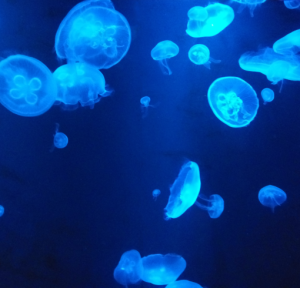
Smack of Jellyfish
  • Those who hunker down and enjoy it—take it as a time to relax, read, bake, pursue a hobby, accomplish things around the house. In short, they’re getting along fine.
  • But for others—especially extroverts—the isolation can be harmful to both mind and body.

Not surprisingly, the effects of COVID-19 isolation are many of the same effects as other reasons for isolation.

Drift of Pigs
  • Boredom
  • Lethargy
  • Anxiety
  • Depression
  • Distorted sense of time
  • Poor sleep quality
  • Develop or increase unhealthy habits

Dr. Samantha Brooks wrote in The Lancet: “A huge factor in the negative psychological impact [of isolation] seems to be confusion about what’s going on, not having clear guidelines, or getting different messages from different organizations.” In addition, not knowing how long isolation will last exacerbates the negative effects of isolation. Think of the current differences within the U.S. and how similar circumstances could be applied to a fictional setting.

Obstinacy of Buffalo

People who are at increased risk from COVID-19 isolation are those at heightened risk for social isolation in the first place:

Gang of Elk
  • Older adults, especially with physical limitations and/or poor family support
  • Men who didn’t develop social networks outside work
  • Being non-white is a bigger risk factor than sex
  • Lower income people who may not afford the technology for distance socializing
  • Anyone who is marginalized (LGBTQ, survivor of domestic abuse, living in an isolated rural area)
  • People incarcerated for any reason
Cete of Badgers
Shiver of Sharks

Evidence of stress is apparent in the increased number of calls to suicide prevention (1-800-273-8255) and addiction (1-844-289-0879) hotlines.

Bottom line for writers: consider isolating your character and/or increasing his/her loneliness. You can take it almost anywhere.

Murmuration of Starlings