YOU’RE EATING WHAT?

If you are considering eating cockroaches, don’t microwave them! They are so fatty that they explode in the microwave. You just don’t want the mess.

Which is not to say you shouldn’t eat them. According to the EntoMove Project, the cockroach nutritional profile, per mg/100g, (3.53 oz) is 19 g protein, 10 g fat, calcium 38, iron14, zinc 32, potassium 224, niacin 44, magnesium 50, B12 237 mcg.

You might be surprised to learn that the U.S. is listed among countries where cockroaches are either a common or semi-common ingredient in the country’s cuisine or they are offered in at least some restaurants, possibly as a novelty. Other countries include China, Mexico, Japan, and Thailand. (For the Love of Chocolate in Carytown, VA offers scorpion lollipops and ant candy!)

Current research on this topic is non-comprehensive. It is likely that insects are a regular part of the diet in countries not listed above particularly in South America, Africa, and southern Asia. Many traditional cuisines are often more accepting of the idea of insects as a protein source.

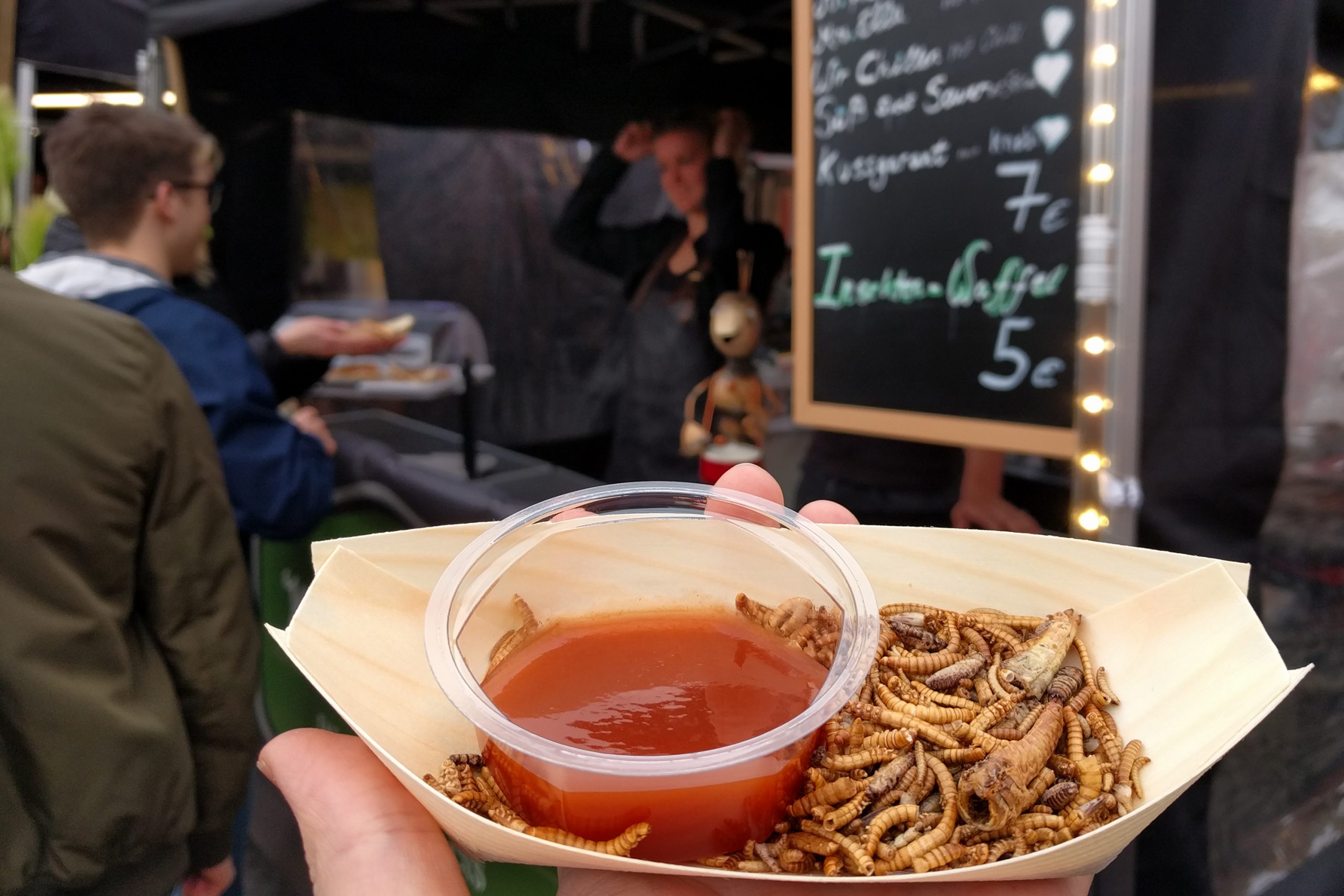
And it isn’t just cockroaches. In many cultures around the world, insects are a traditional and nutritious part of the diet. This practice, called entomophagy, is common in regions where insects are abundant, sustainable, and rich in protein, healthy fats, vitamins, and minerals. Here are some cultures and regions where eating bugs is more common.

Latin America
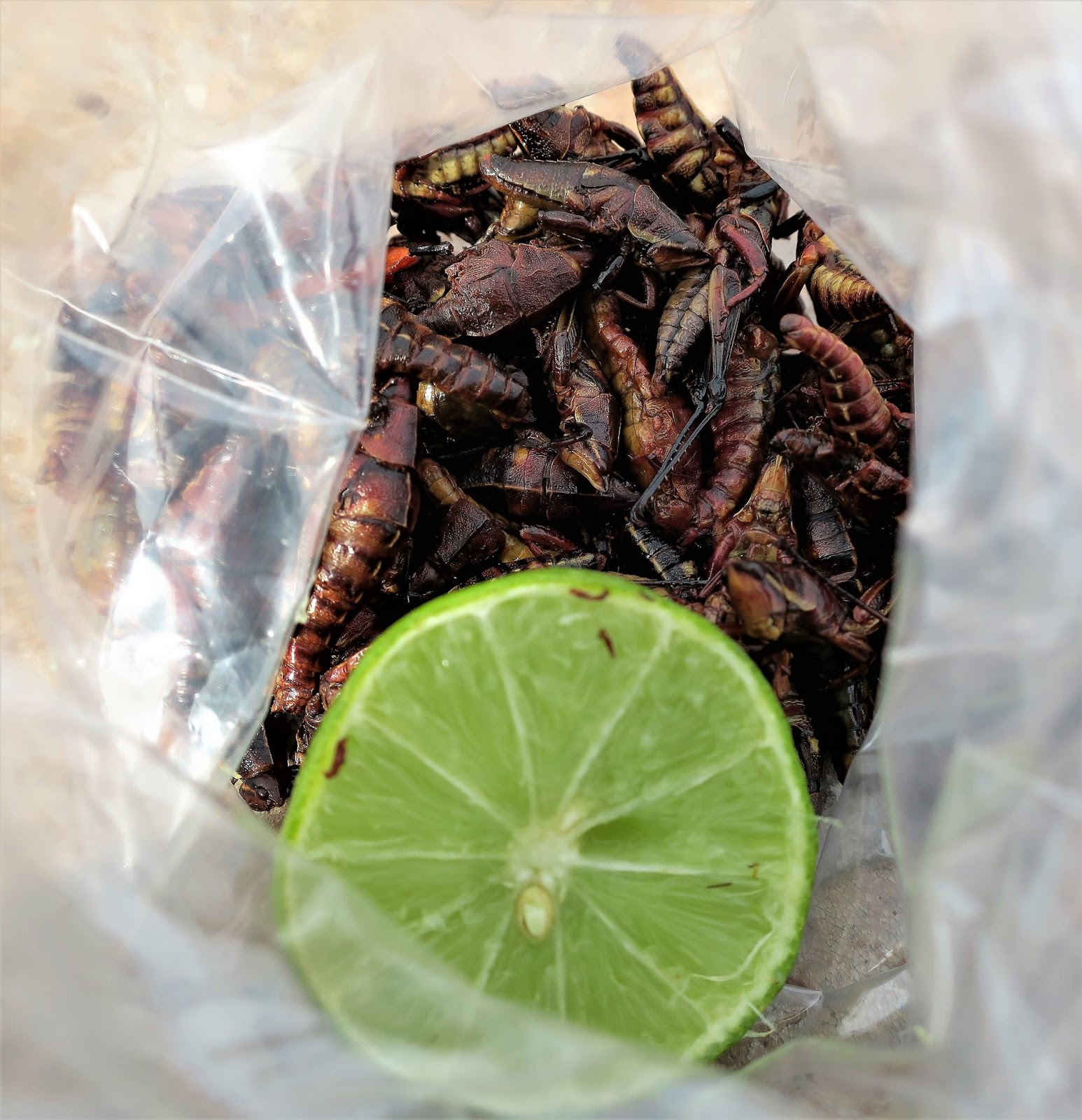
chapulines insects
Chapulines in Mexico

Mexico: Insects like chapulines (grasshoppers), escamoles (ant larvae), and gusanos de maguey (maguey worm) are popular, especially in Oaxaca and central Mexico. Cooks often toast chapulines with chili and lime and serve them as snacks or added to tacos.

Colombia: Hormigas culonas (big-bottomed ants) are a delicacy, particularly in Santander. People often toast them to eat as a crunchy snack.

Brazil: In the Amazon, indigenous communities eat tucum (palm weevil larvae) and suri (palm beetle larvae).

Southeast Asia
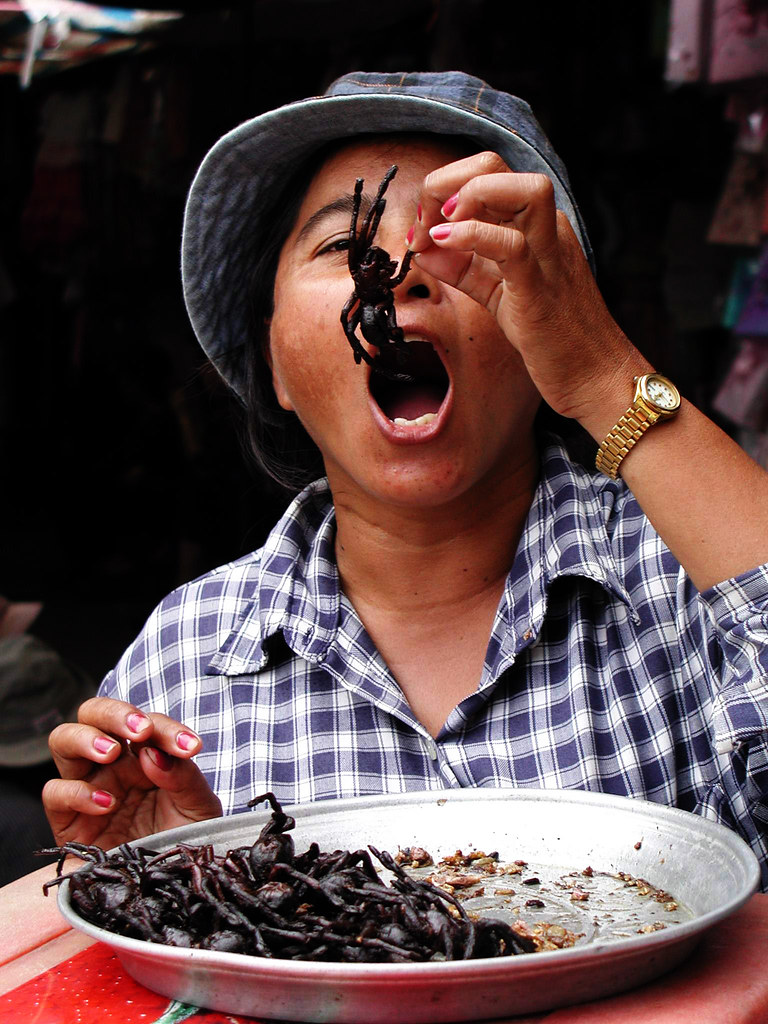
Cambodian fried tarantula insects
Cambodian fried tarantulas

Thailand: In markets and street food stalls, you can find insects like crickets, silkworm pupae, water beetles, and bamboo worms. They are often fried or roasted and seasoned with spices.

Laos: Khao tom mat (ant egg soup) and deep-fried insects are common snacks.

Vietnam: Cricket and silkworm dishes are popular, often stir-fried or used in soups.

Cambodia: Fried tarantulas and water beetles often serve as snacks.

Myanmar: Many cooks include beetle larvae and ants in salads or soups.

Africa

South Africa: The mopane worm (a caterpillar) is dried or canned and eaten as a protein-rich food.

Zimbabwe and Zambia: Madora (larvae of the mopane moth) are a traditional food source.

Congo: Roasted or boiled palm weevil larvae and termites are a popular ingredient and snack.
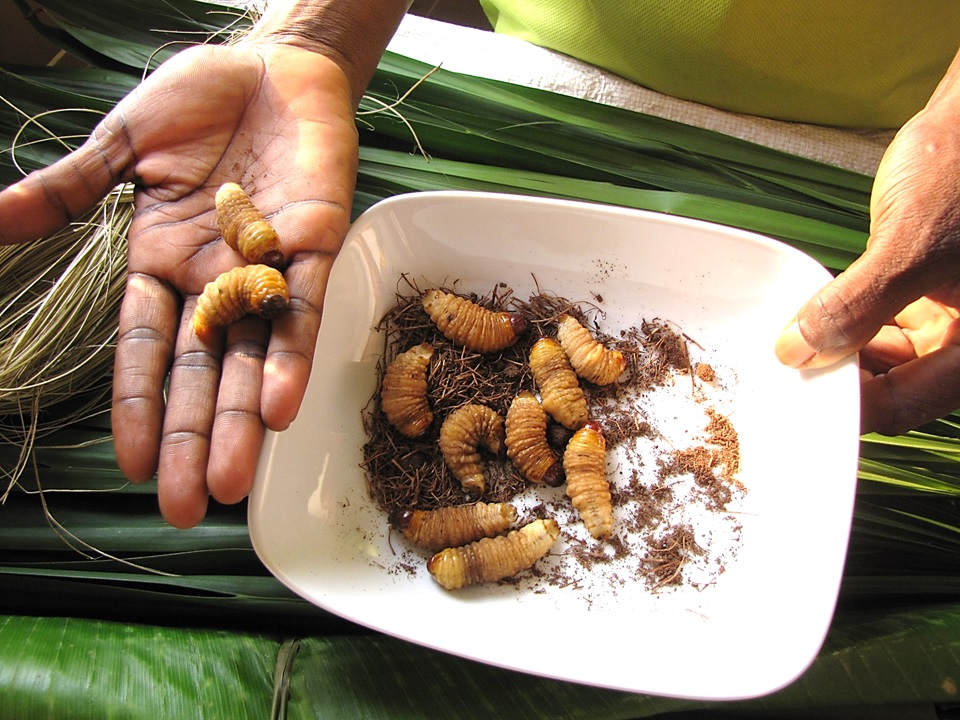
Palm weevil larva farmer, displaying their stock

Nigeria: In some regions, rising livestock feed prices are leading people to raise palm weevil larvae and grasshopper as alternatives to chickens and cattle.

Australia and Oceania

Indigenous Australians: Traditionally ate honey ants, witchetty grubs (larvae of cossid moths), and bardi grubs (larvae of palm weevils). People most often eat these raw or only lightly cooked.
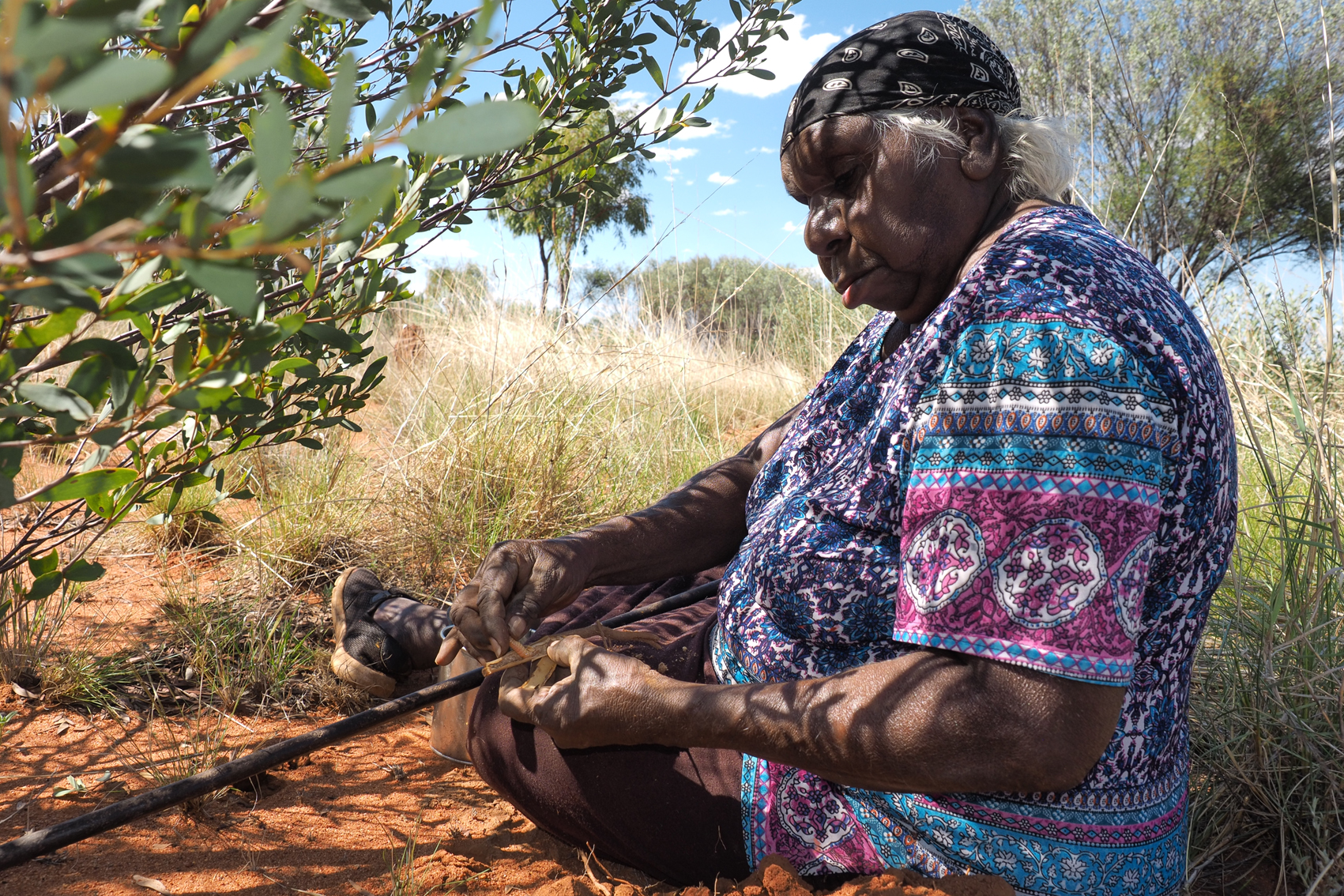
Dora Napaljarri Kitson, hunting for Witchetty grubs (Ed Gold)

Papua New Guinea: Sago grubs (larvae of the sago palm weevil) are a delicacy, often eaten raw or roasted.

East Asia
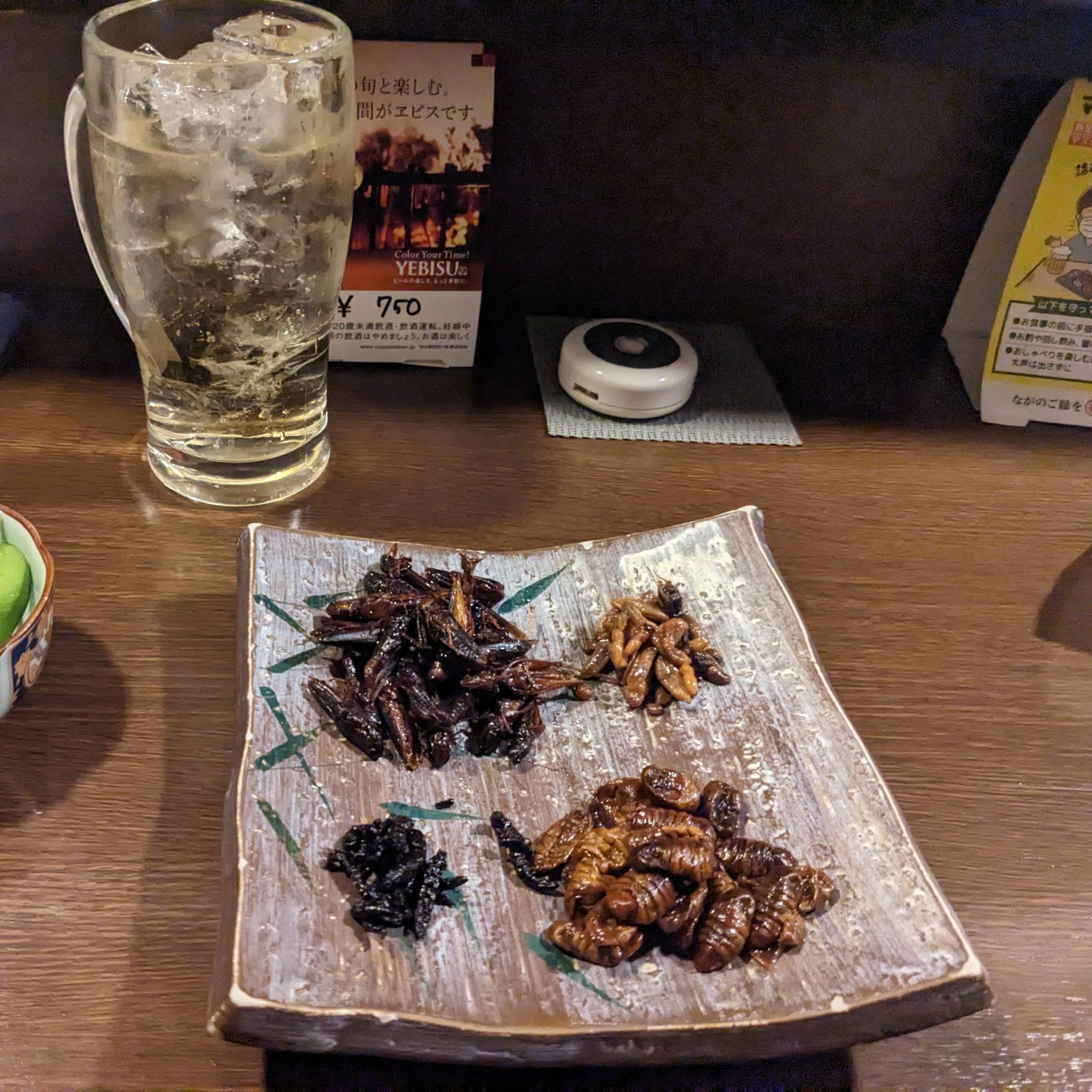
Inago and hachinoko

China: In many provinces, including Yunnan and Guangxi, people eat insects like silkworm pupae, cricket, bee larvae, and water beetles. Cooks often stir-fry them or use them in soups.

Japan: Inago (grasshoppers) and hachinoko (bee larvae) are traditional foods, often boiled in soy sauce.

South Korea: Beondegi (silkworm pupae) is a popular street food, steamed or boiled and seasoned with spices.

Middle East

Oman and Yemen: During swarms, locusts and desert locusts make a very handy addition to many dishes, often roasted or fried.

Why Do These Cultures Eat Bugs?

Fried insect vendor in Thailand

Nutritional Benefits: Insects are high in protein, healthy fats, fiber, vitamins (like B12), and minerals (like iron and zinc).

Sustainability: Insects require far less land, water, and feed compared to traditional livestock, making them an eco-friendly protein source.

Cultural Tradition: In many regions, eating insects is a long-standing practice tied to local ecosystems and food security.

Availability: Insects are often abundant in tropical and subtropical regions, making them a reliable food source.

In many cultures, insects are recognized/consumed for their medicinal as well as nutritional properties.

Bottom Line: Are you open to exotic and beneficial foods?
HOW THIS BLOG ENDED UP IN THE BAHAMAS

Sometimes a writer (and I’m not alone here) starts out to write one thing and something entirely different emerges.  My metaphor for this is heading for Maine and ending up in the Bahamas.  That’s what happened to this blog.  I started out to write TELLING TIME, about using food to set or reveal the time in which the story takes place.  What I had in mind was a timeline for foods and cooking equipment.

For Example, by 1900

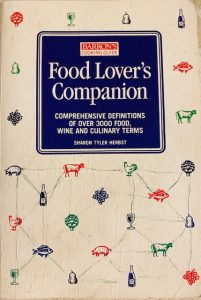
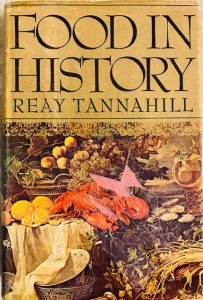
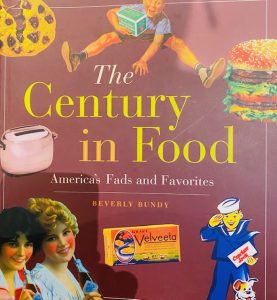
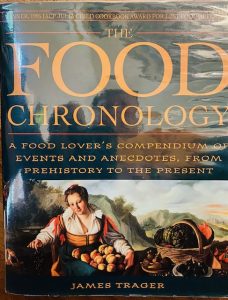
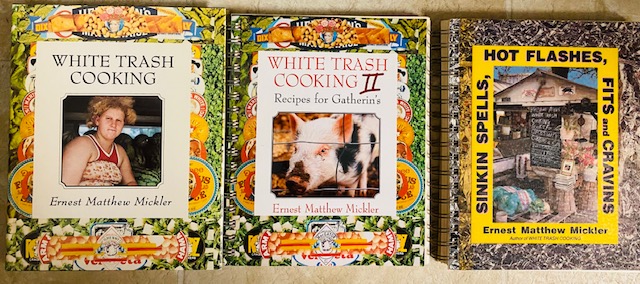
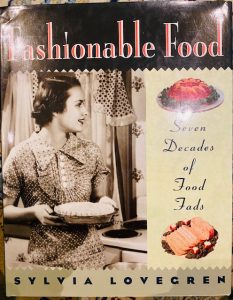
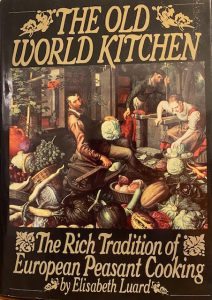
As many of you know, I collect cookbooks, and have done so for decades. As I pulled relevant references off my shelves, I discovered over a dozen books specifically on the history of food and cooking. 

No more than an hour or so into this effort, I realized three things:

  1. Readers might not be as enamored of lists as I am.
  2. The list would go on forever!
  3. Such a blog wouldn’t be helpful in the general scheme of things.

And that’s when I headed for the Bahamas, and turned this blog into a Better Know Your Character effort.

Assuming you don’t want to draw entirely from your own life and experience, there’s a book for that. 

You can get food and cooking information for any time period you need, in as much detail as you need, and for virtually any place you need.  If you write across time periods and/or locations, one of the books covering a broader range would be a good choice. 

Cookbooks for Specific Geographic Needs
  • By region, for example New England, Northern India, the Balkans
  • Any state in the US
  • Virtually any country or territory
  • Virtually any city
    • I say virtually here because I don’t have every one. But given that I have books for Paris; Tbilisi; Detroit; Pittsburgh; Los Angeles; Denver; Rochester, NY; and Westminster, MD (to name a few), I’m confident you could find what you need.
  • Plantation cooking
  • Australian Outback cooking
  • Wilderness cooking
  • Pacific Island cooking
  • Appalachian cooking
Cookbooks by Time Period
  • The American colonial kitchen
  • By decade since at least 1900
  • Food and cooking during war.
    • For example, The Doughboy’s Cookbook (common foods and cooking in the trenches of World War I) or M.F.K. Fisher’s How to Cook a Wolf (cooking during WWII rationing).
    • Cooking during wars or other conflicts often focus on deprivation.
      • The recently published CCCP Cook Book: True Stories of Soviet Cuisine has recipes Russian cooks developed or adapted to deal with food shortages throughout the Cold War.
      • During the Civil War, there was a time when there were no pigeons left in the city of Richmond because all had been killed for the table.
Cookbooks by Ethnic Heritage
  • African American
  • Native American
  • Results of mixed heritages
    • West African and French influences in Cajun cooking
    • Chinese, Middle Eastern, and Indian influences all along the Silk Road
  • Any cuisine by country of origin

Everyone has to eat sometime (except alien cyborgs).

What is your character’s attitude toward food? 

Cover all three aspects of attitudes: think, feel, do.

What does home cooking mean to your character? 

The answer to this question can tell all sorts of things about your character besides ethnicity:

  • Approximate age
  • Social class
  • Family of origin
What is involved in meal preparation?

If your modern character is making a meal, does s/he start with raw ingredients or put a prepared meal in the microwave? Does the answer change if company is coming? Is it a family meal? Do other family members share your character’s attitudes toward food and cooking?

What does your character eat? 

Strictly a meat and potatoes person? Omnivore? PescatarianVegetarian? Vegan And why?

  • Religious prohibitions
  • Animal rights
  • Health considerations
  • Cultural habits
  • Availability
What health concerns does a character address with food?

Many medical conditions are caused by unhealthy eating habits or require dietary adjustments to treat fully. Depending on the diet, this character may have cookbooks addressing the concern, request substitutions when eating out, or be unwilling to eat or cook around others.

  • Lack of a nutrient, such as calcium, Vitamin D, sodium
  • Heart disease
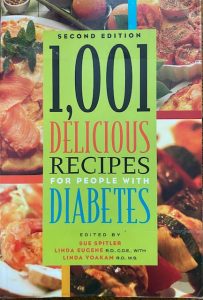
  • Diabetes
  • Celiac disease
  • Lactose intolerance

Consider also the possibility of mental health concerns when eating or preparing food. A character with alcoholism, compulsive overeating, bulimia nervosa, etc. would likely display signs of those disorders that might be noticed by others. On the other hand, a character with severe depression, body dysmorphia, or OCD related to food might avoid social situations involving food altogether.

Food is for everyone

Whether your character lives to eat or eats to live—or is somewhere between the extremes—it’s difficult to write realistically without food coming into play somewhere, sometimes, at least occasionally. Making those mentions specific to your story/character is a big plus.

Bottom line advice to writers: Bring food and/or cooking into your story to add realism, specificity, and richness.