I confess: my interest in names goes back years, and I’ve written about them before. Previous blogs have focused on pen names, aliases, naming history, character names, and a reader’s perception of those names. But this blog has a different focus: work and education.
So, what might people be doing for—or to—their children inadvertently?
Names at School
For good or ill, it starts young. Consider educational institutions.
Race
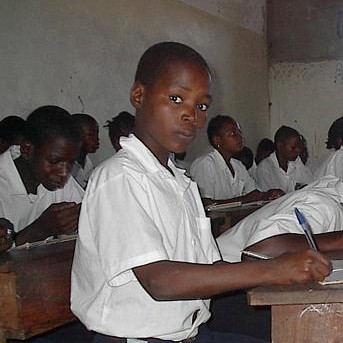
Economist David N. Figlio, found that children with names associated with Black communities—like Da’Quan—receive different treatment in school than siblings with stereotypically Caucasian monikers. Furthermore, analyses suggest that the sound and spelling combinations trigger educators’ impressions.
A child with a name like Damarcus was 2% less likely than his brother David to be referred to a program for the gifted—even when both boys had identical test scores. All else being equal, the students with unusual names were also less likely than their conventionally named siblings to be promoted to the next grade. Figlio suggests both tendencies reflect teachers’ lower expectations for those children.
It may not be entirely subjective: districtwide, the uncommonly named children had lower mathematics and reading scores than their traditionally named peers. Could this be a case of self-fulfilling prophecy?
Gender
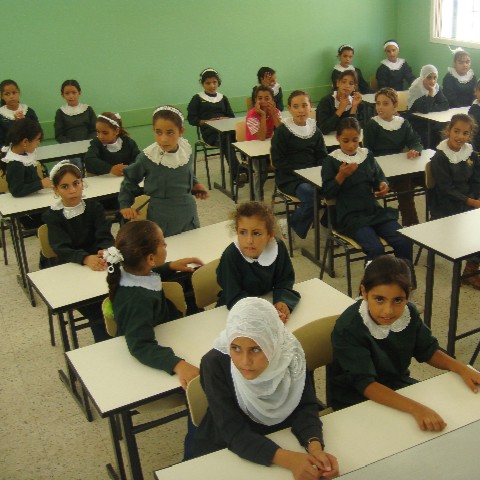
If you are a boy with a girl’s name, you could be more likely to face school suspension. In Figlio’s 2005 study, boys with names most commonly given to girls misbehaved more in middle school and were more likely to disrupt their peers. He also found that their behavioral problems were linked with increased disciplinary problems and lower test scores.
Personal note: I have an uncle from a large family named Pearl for his mother’s father and brother. He became one of the most successful of his siblings. That may just be an older generation. Or maybe it’s because he went by the nickname Butch!
Popularity and Crime

A 2009 study at Shippensburg University reported a strong relationship between the popularity of one’s first name and juvenile criminal. Regardless of race, young people with unpopular names were more likely to engage in criminal activity. “Adolescents with unpopular names may be more prone to crime because they are treated differently by their peers, making it more difficult for them to form relationships.”
Alternatively, “Juveniles with unpopular names may also act out because they … dislike their names.”
Alphabetically
And furthermore, according to a study published in the Economics of Education Review, if your last name is closer to the beginning of the alphabet, you could get into a better school. They found that even though students with low-in-the-alphabet last names tended to get higher test scores overall, among the students who applied to universities and were on the margins of getting admitted or not, those with last names that were close to the top of the alphabet were more likely to be admitted. This study was done with Czech students. There are no data indicating that this doesn’t apply in other countries.
Names at Work
Moving into the world of work. Business Insider published an extensive review of relevant research. Here is a summary of their review.
Easy and Common
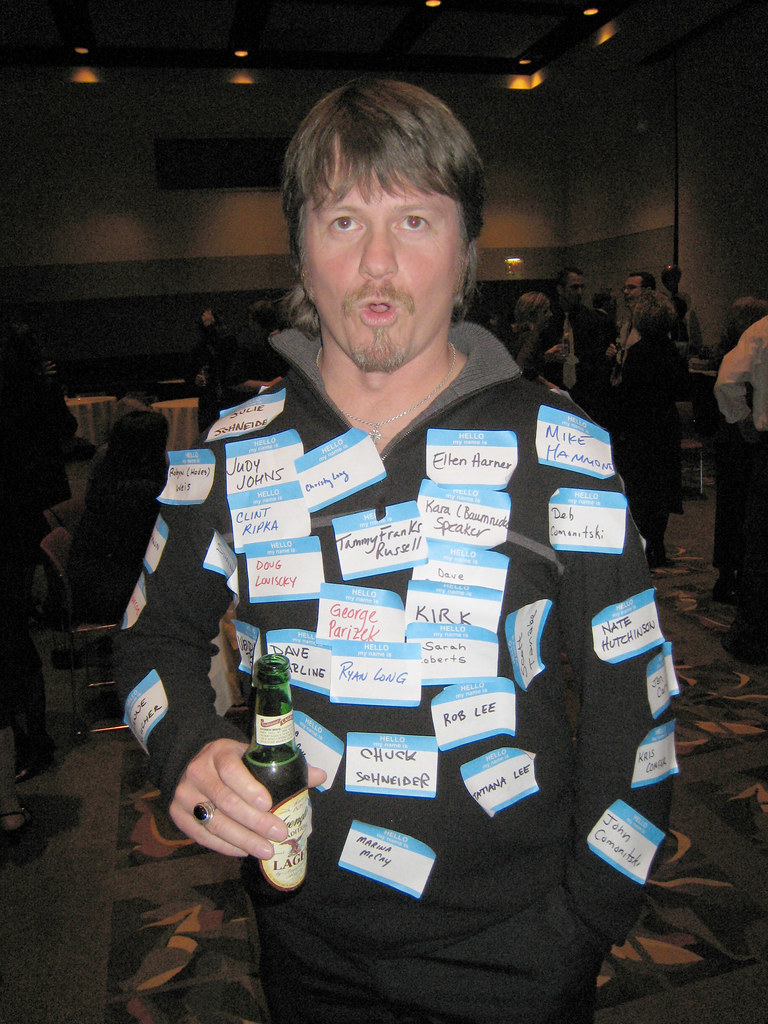
If your name is easy to pronounce, people will favor you more—similar to Figlio’s findings, above. In a Marquette University study, the researchers found evidence that names that were viewed as the least unique were more likable.
In a New York University study , researchers found that people with easier-to-pronounce names often have higher-status positions at work. Adam Alter, psychologist, quoted in Wired : “When we can process a piece of information more easily, when it’s easier to comprehend, we come to like it.”
People with common names were more likely to be hired, and those with rare names were least likely to be hired.
Ethnicity
If you have a white-sounding name, you’re more likely to be successful in your job hunt.
In a study described in The Atlantic, white-sounding names like Emily Walsh and Greg Baker got nearly 50% more callbacks than candidates with black-sounding names like Lakisha Washington and Jamal Jones. Researchers determined that having a white-sounding name is worth as much as eight years of work experience .
Nobility
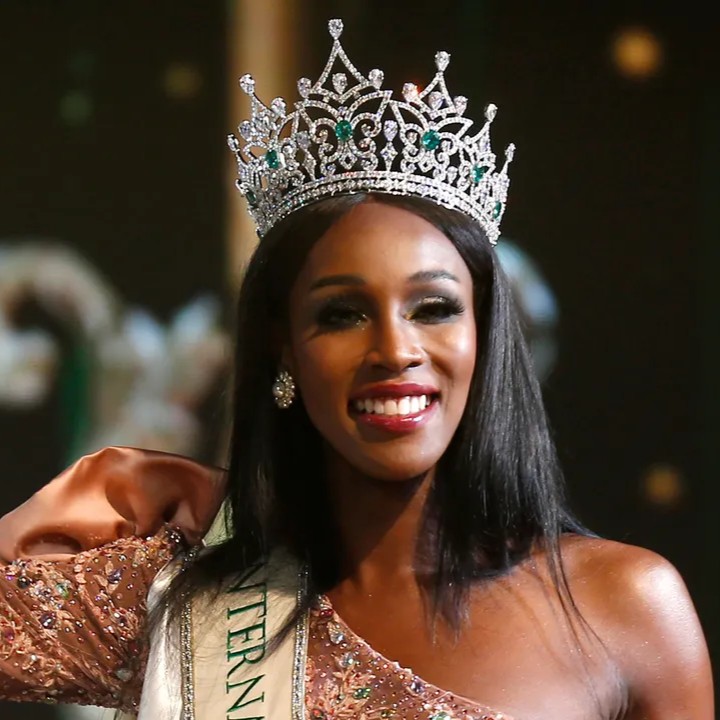
If your name sounds noble, you are more likely to work in a high-ranking position.
In a European study, researchers studied German names and ranks within companies. Those with last names such as Kaiser (“emperor”) or König (“king”) were in more managerial positions than those with last names that referred to common occupations, such as Koch (“cook”) or Bauer (“farmer”). This could be the result of associative reasoning, a psychological theory that people automatically link emotions and previous knowledge with similar words or phrases.
Gender
If you are a woman with a gender-neutral name, you may be more likely to succeed in certain fields. In a citation of The Atlantic, in male-dominated fields such as engineering and law, women with gender-neutral names may be more successful. One study found that women with “masculine names” like Leslie, Jan, or Cameron tended to be more successful in legal careers.
Men with shorter first names are overrepresented in the c-suite—i.e., among CEOs, CFOs, COOs, etc. In 2011, LinkedIn analyzed more than 100 million user profiles to find out which names are most associated with the CEO position. The most common names for men were short, often one-syllable names like Bob, Jack, and Bruce. A name specialist speculated that men in power may use nicknames to offer a sense of friendliness and openness.

On the other hand, the same study found that women at the top are more likely to use their full names. Perhaps women use their full names in an attempt to project professionalism and gravitas.
Middle Initial

Using your middle initial makes people think you’re smarter and more competent. According to research published in the European Journal of Social Psychology, using a middle initial increases people’s perceptions of your intellectual capacity and performance. In one study, students rated an essay whose authors had varying numbers of initials. The one with the most initials, David F.P.R. Clark, received the best reviews.
Social Psychology
The relationship between names and person perception is a fascinating topic in social psychology and communication studies. Here are some brief observations on the subject.
First Impressions and Stereotypes
Names often trigger automatic associations or stereotypes based on cultural, ethnic, or social cues. For example, people might perceive certain names as more traditional, modern, or linked to specific ethnic backgrounds.
These associations can influence initial judgments about a person’s personality, intelligence, socioeconomic status, or even trustworthiness.
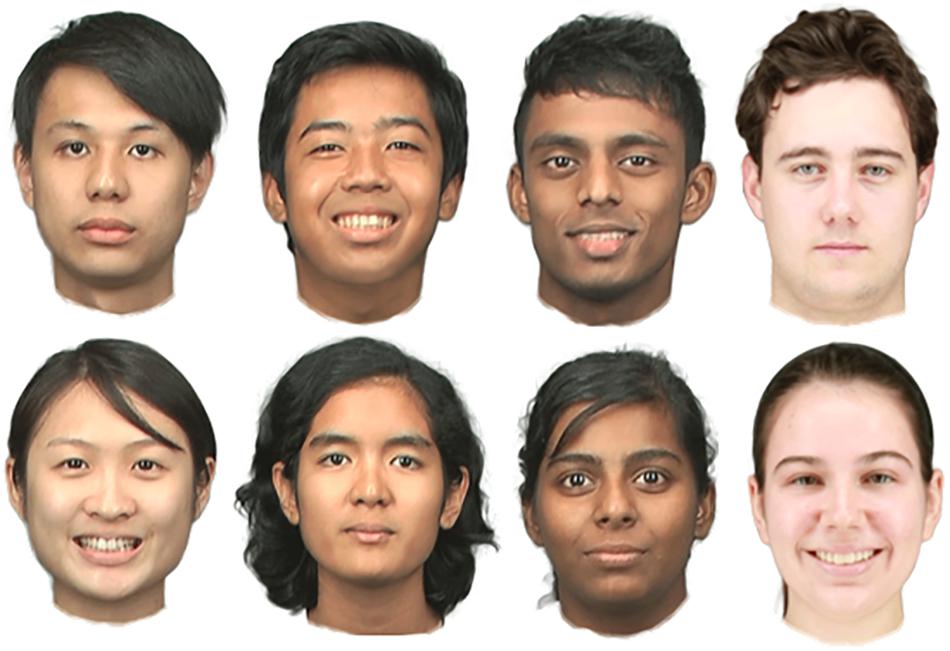
The idea that people often look like their names likely stems from these stereotypes. However, these stereotypes are pervasive enough that tests have shown people are able to match a stranger’s face to the correct name. Researchers theorize that participants are subconsciously responding to social expectations of how a person with a particular name should look.
Name Uniqueness and Individuality
Unique or unusual names can make a person stand out, sometimes positively by signaling creativity or uniqueness, or negatively by causing bias or misunderstanding.
The impact depends on context, culture, and individual differences.
Gender and Age Perceptions
Names often carry gendered and generational signals, influencing expectations about behavior or roles. For instance, people might associate older-sounding names with wisdom or conservatism. On the other hand younger-sounding names might evoke impressions of modernity or innovation.
Why This Matters
Understanding how names influence perception helps us recognize unconscious biases and encourages more equitable and compassionate social interactions. It reminds us that a name, while a simple label, carries complex social meanings that shape human connection.
Overview of Key Findings from Studies on Names and Success in the U.S.
Note: Names correlated with success in the U.S. can vary depending on how “success” is defined—whether by income, education, career achievement, or social status. Research on this topic often relies on data such as income tax records, educational attainment, or professional accomplishments linked to first names.
Studies analyzing tax data and census records have found that certain names correlate with higher average incomes and educational attainment.
A 2011 study by economist Steven Levitt and colleagues analyzed IRS data and found that names like Gregory, Matthew, and Jennifer were among those associated with higher incomes.
- Names like Emily, Jacob, Michael, Sarah, and Jessica have historically been linked with higher socioeconomic status.
- Conversely, some names statistically correlate with lower income or education levels, often reflecting systemic inequalities.
- This is likely because names often reflect cultural, ethnic, and socioeconomic backgrounds, which influence access to resources and opportunities.
Modern Trends
- Popular names change over time, and correlations can shift with demographic changes.
- Unique or unusual names sometimes face bias, but this is context-dependent.
- As society becomes more diverse and inclusive, the correlations of particular names with status may evolve.
Correlation does not prove causation: the findings presented here—these correlations—mean that names tend to vary together with certain other characteristics, behaviors, or outcomes. It is not the same as causation. The name itself does not cause success; it is a proxy for underlying factors like family background, education, and community.
Bottom Line: Names carry deep cultural, personal, and societal meanings, influencing identity, perception, and (often) success.
My first name is William. As a child, I went by the nick name Billy. On the last day before I entered high school, my mother told me that Bill was a more grown up name than Billy. If I my new friends and teachers in high that my name was Bill, that’s what they would call me. It made sense to me. So I told people I was Bill and that is what they called me and I was to them.
ki6fdu