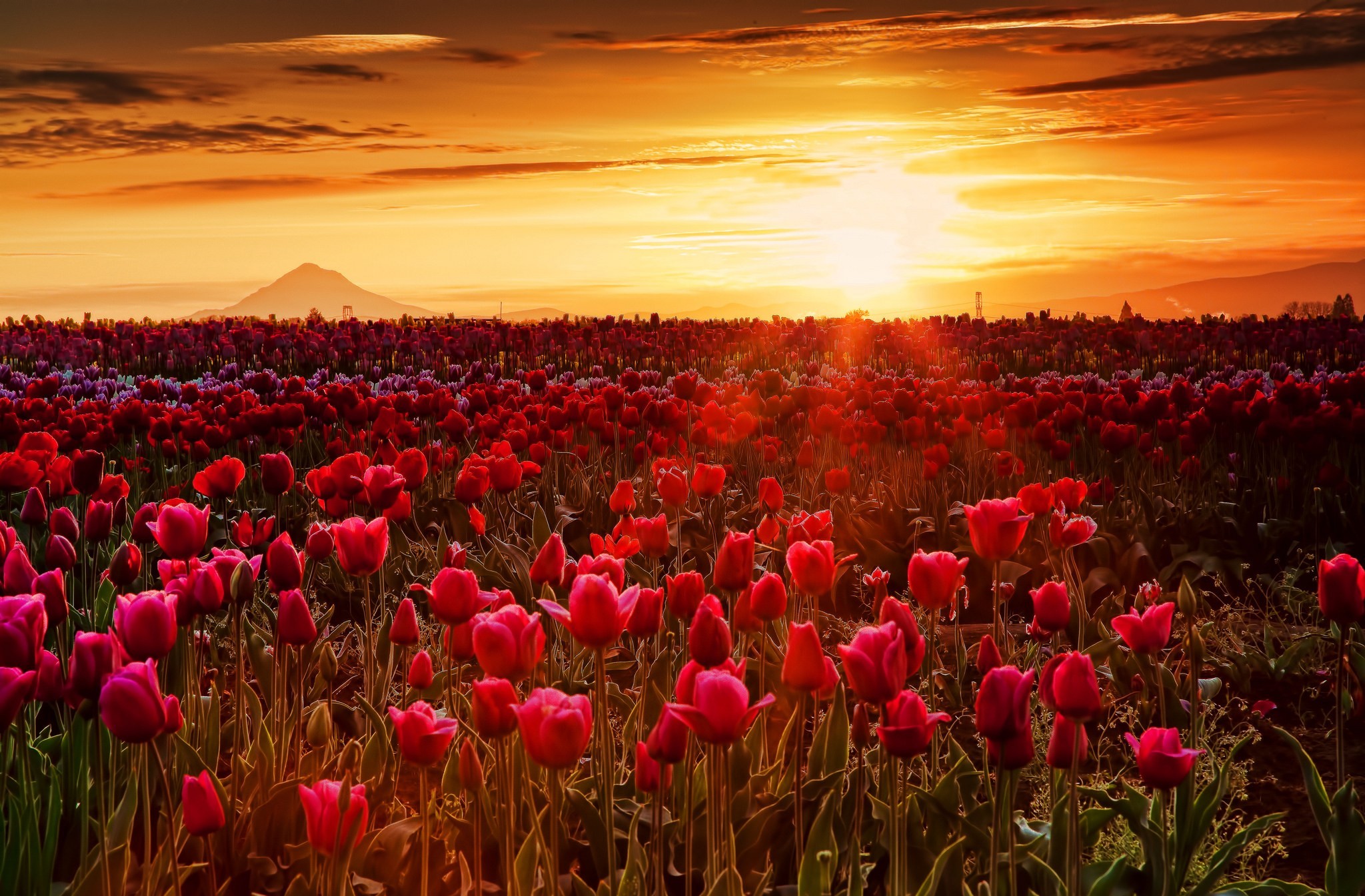
Vivian means “likes bright and vivid colors.” And I do, including red, which was my mother’s favorite color. I doubt she was alone here, but in the United States, the top six colors nationally are blue, black, gray, pink, white and green. Why didn’t red make the list?
Perhaps it’s because, in the U.S., the color has so many negative associations. Red is used almost universally in stop signs, alarms, and warnings. It signals alertness and caution, often linked to fire, blood, and emergency.
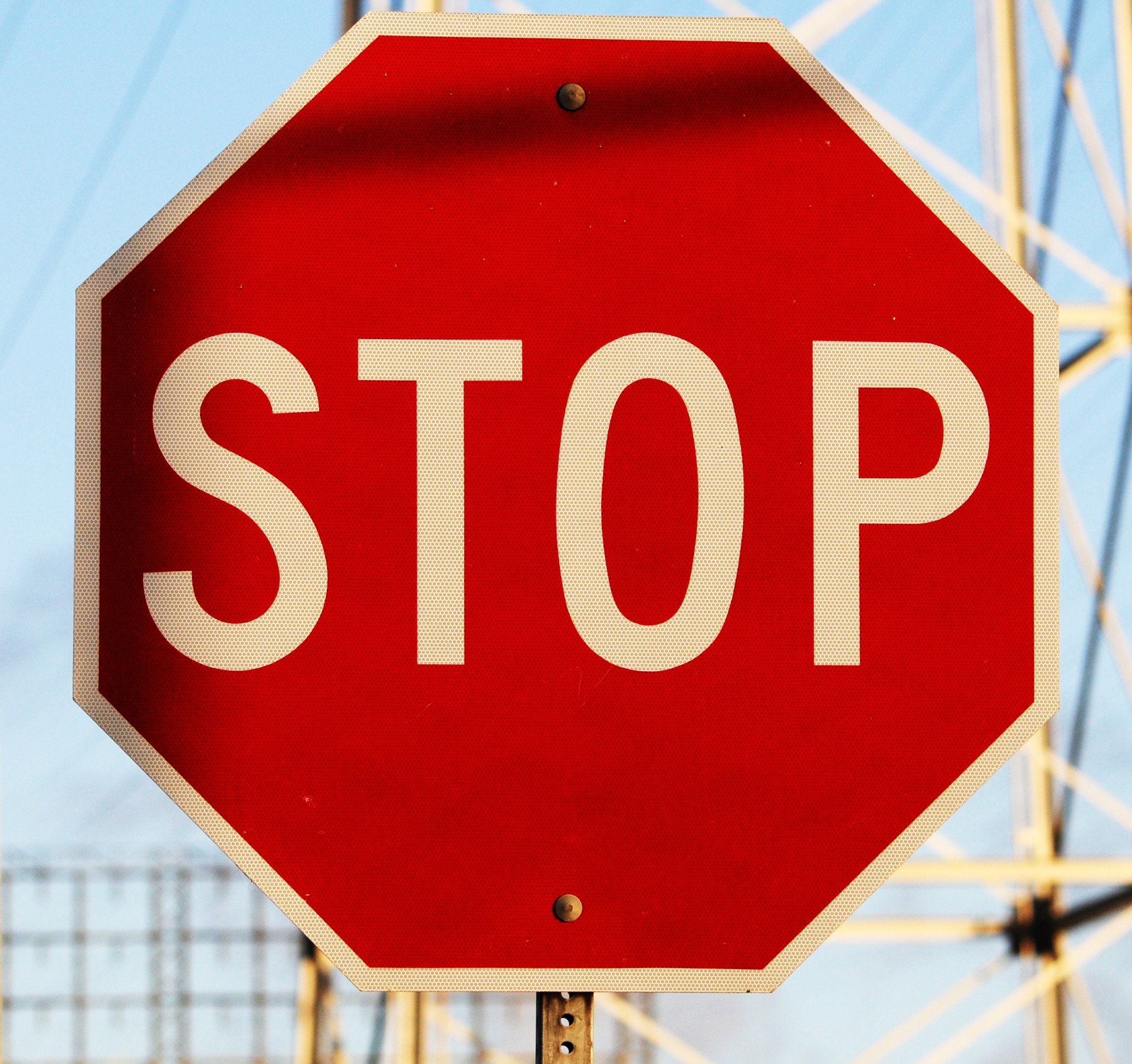
- Stop signs
- Traffic lights
- Fire Trucks
- No entry
- Flammable liquid
- Biohazard
Warning signs are commonly red because it is associated with danger, is highly visible, and stands out against most backgrounds, ensuring it can be seen from a distance even in poor conditions like fog or smoke. Many poisonous animals have red markings. In humans, exposure to red increases heart rate, raises blood pressure, and heightens alertness.
Symbolism One Step Removed
- Seeing red. It means being very angry, mad, furious, irate, or enraged. Some synonyms for this phrase include losing your temper, exploding, erupting, losing patience, becoming enraged, or flying into a rage.
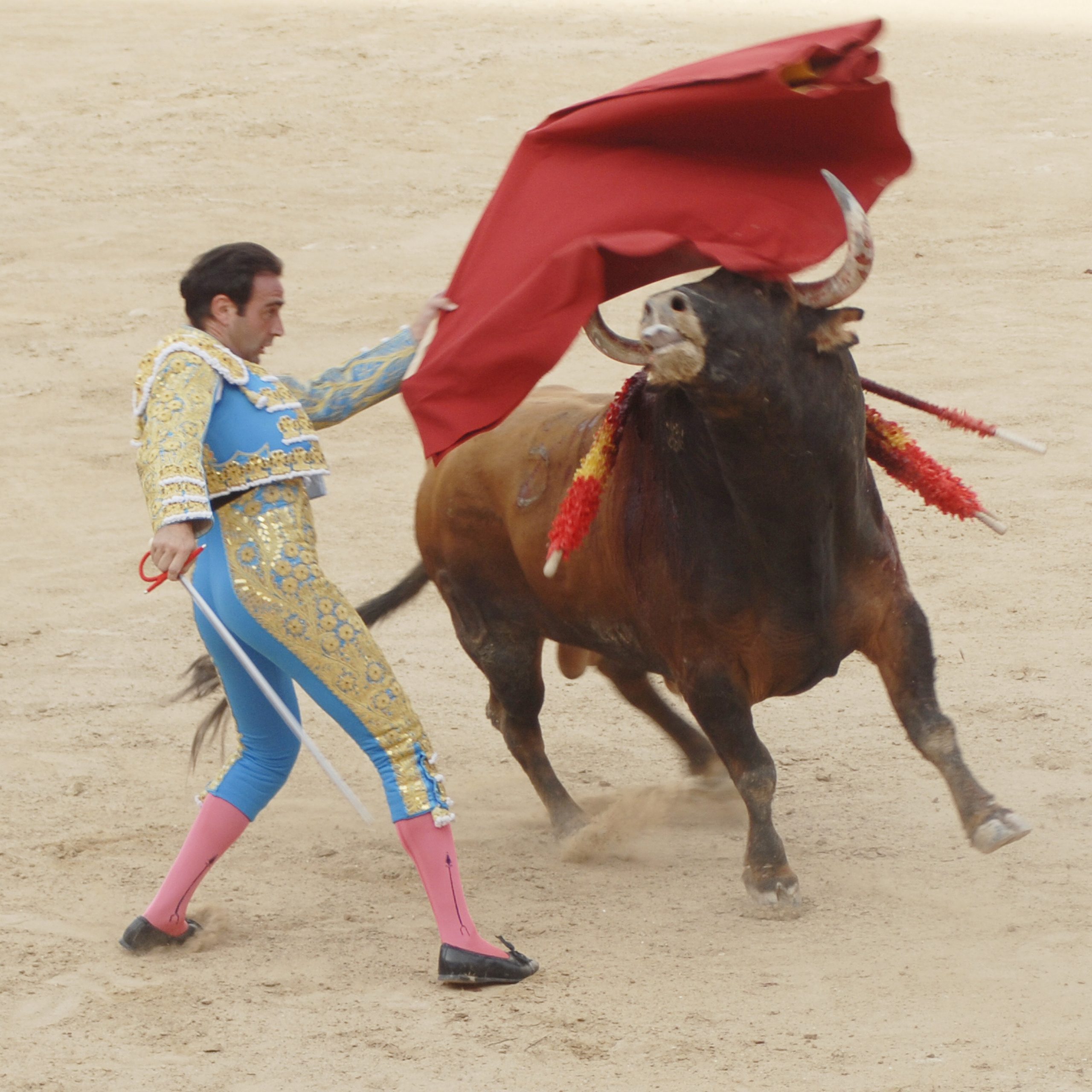
- What about the bullfighter’s red cape, encouraging the bull to attack? Bulls are actually color-blind, but I’d be pretty mad too if someone was shaking a cape in my face and trying to stab me!
- Then there is red faced. Depending on context, it could mean embarrassment or anger, but neither is pleasant.
- Red lined: deleted.
- Being in the red = financial deficit.
But this color is rich with symbolism across cultures, emotions, and contexts. It symbolizes a range of powerful concepts including love, passion, energy, vitality.
Seeing Red Emotions
Energy and Vitality
It symbolizes life force, strength, and physical energy. Its vibrancy grabs attention and can stimulate excitement or action.
Passion and Love
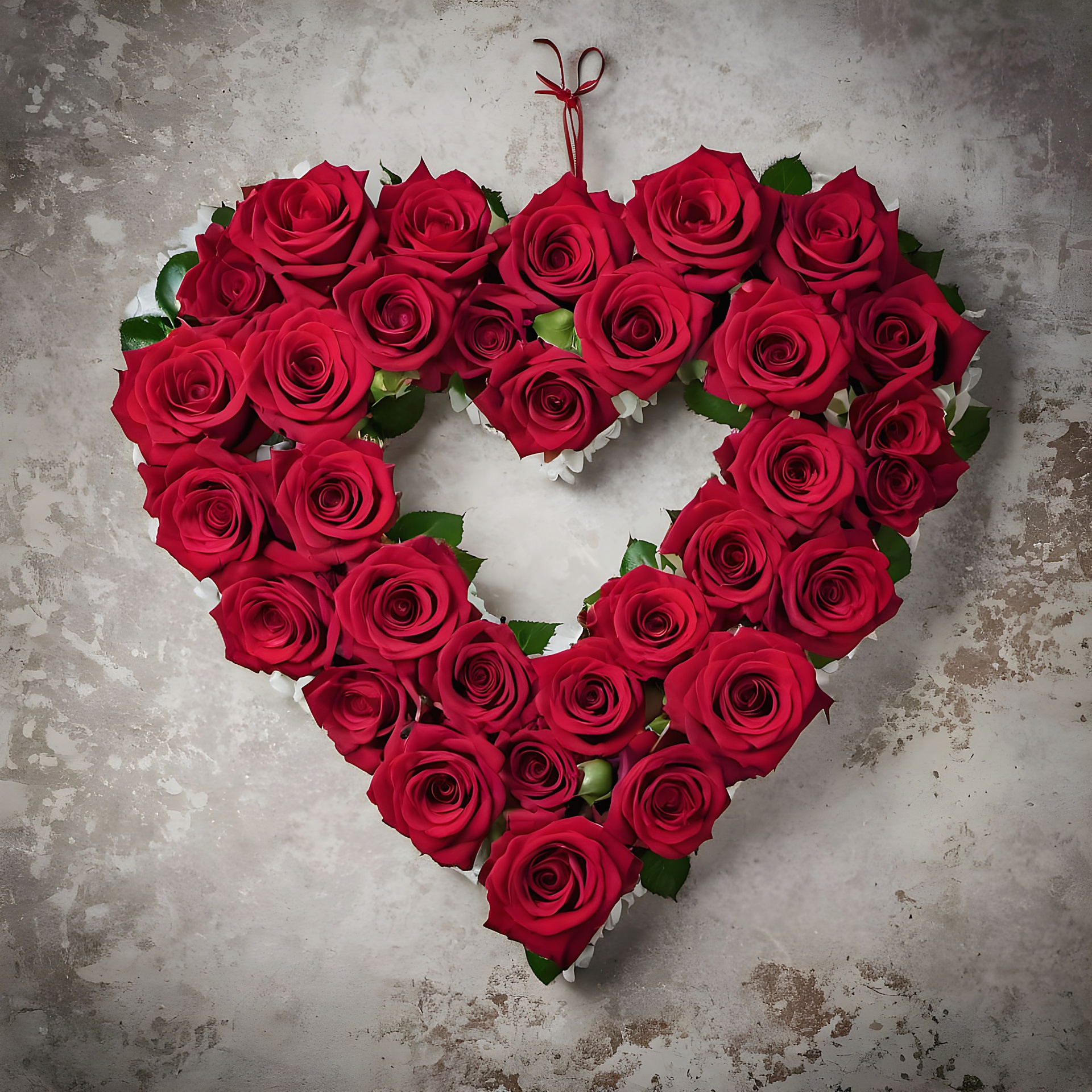
Red is associated with love, desire, and romance. It’s the color of hearts, roses, and Valentine’s Day.
Power and Courage
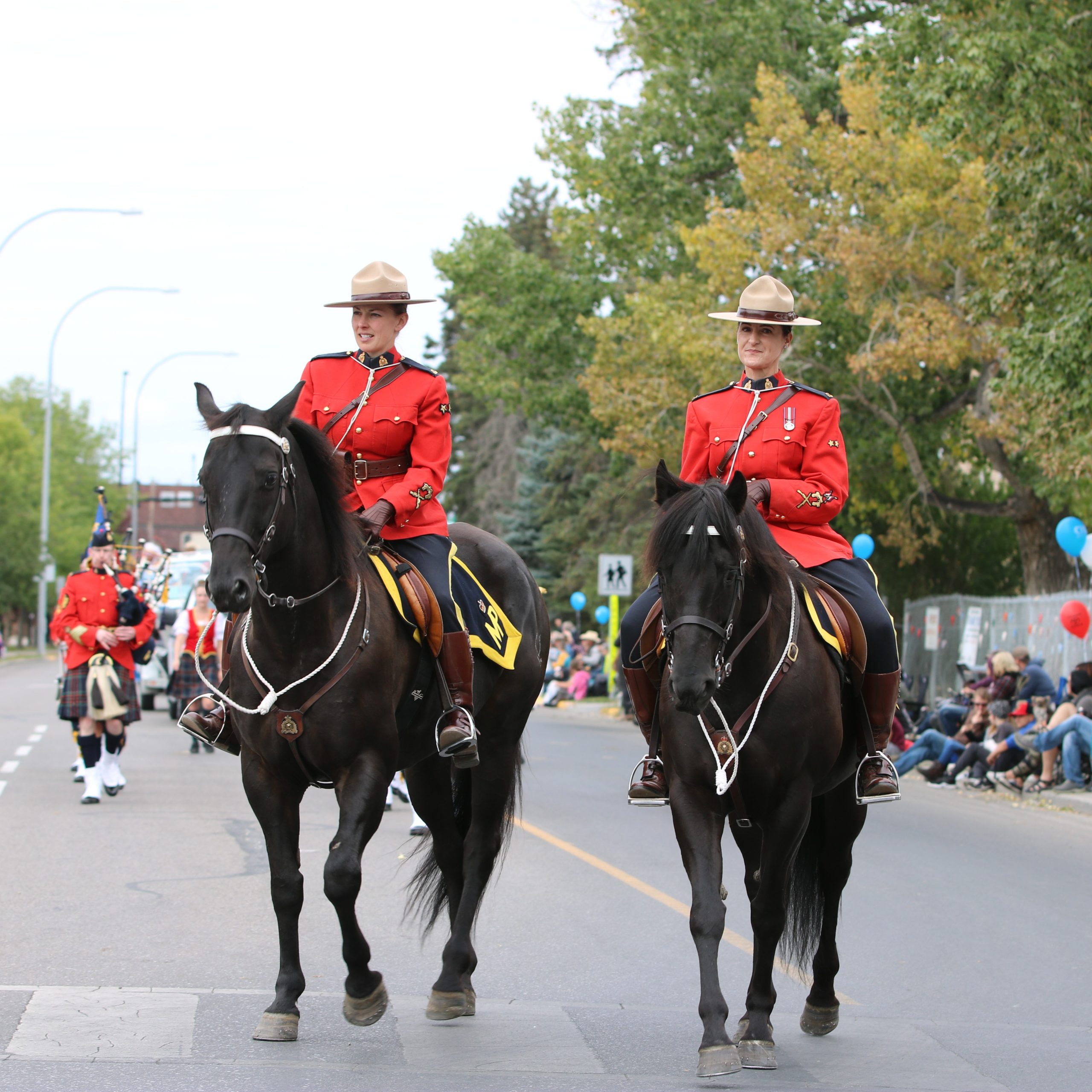
Think red-blooded. Also, historically, red has symbolized power, leadership, and bravery. Warriors and royalty often wore red to signify status and valor.
Think about the “red coats” during the Revolutionary War, and the Canadian Mounted Police.
Anger and Aggression
The color can also evoke feelings of anger, aggression, or intensity, reflecting the heat of strong emotions.
Seeing Red Around the World
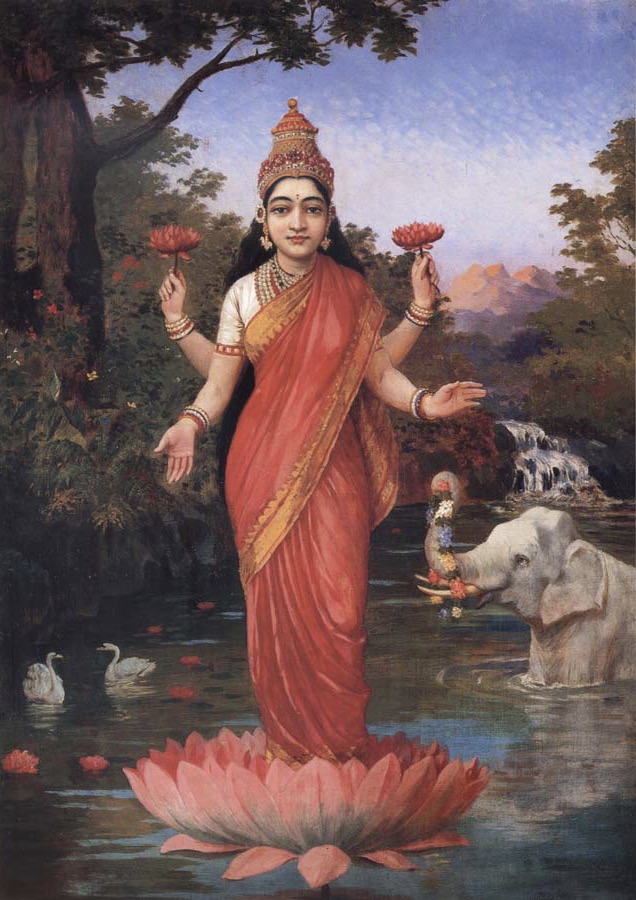
Indian Culture
In Indian culture, red symbolizes love, passion, power, fertility, prosperity, and marital bliss, often used in weddings, festivals, and religious ceremonies. Brides often wear red saris, representing love, prosperity, and new beginnings. Red is also used in religious ceremonies and festivals like Holi.
Chinese Culture
In Chinese culture, red is a symbol of good fortune, prosperity, happiness, and celebration, especially during festivals like Lunar New Year. It’s therefore prominent in weddings, festivals, and decorations, believed to ward off evil spirits.
American Traditions
Red is associated with Christmas (red berries, Santa’s suit) symbolizing warmth and festivity. Many opera houses have red seats to convey a sense of opulence. A red carpet also signifies especially formal occasions.

Russian Beauty
The ancient Russian word for red and beauty are the same. Even today, Moscow’s Red Square (Красная площадь) would be more accurately translated as Beautiful Square.
African Traditions
In many African cultures, red beads or cloths symbolize life, health, and vitality, but can also represent danger or mourning depending on the context. The Ndembu in Central Africa associate red with life and health, so warriors and sick people wear red paint.
Seeing Red In Art
Red’s symbolism is woven through art, literature, and cultural traditions, carrying meanings that evoke deep emotions and ideas in viewers, readers, and participants—often reflecting the above.
Emotion and Drama
Artists use red to convey intense feelings—love, anger, passion, or violence. For example, in Renaissance paintings, red robes often signify power or sanctity (like in depictions of Christ or saints). Medieval painters often depicted martyrs in red clothing.
Focus and Contrast
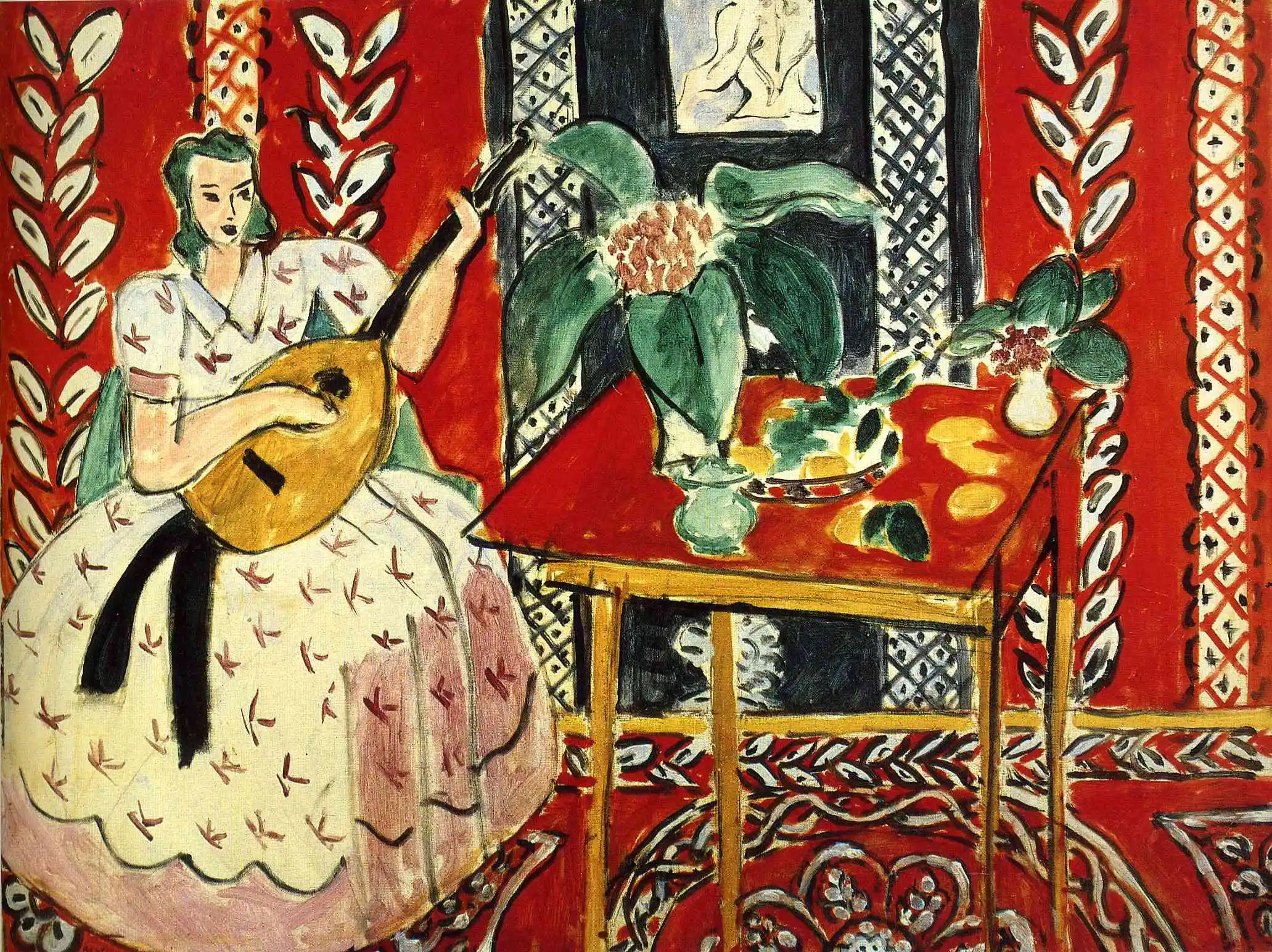
Red draws the viewer’s eye, creating focal points or dramatic contrasts. Think of Henri Matisse’s bold use of red to energize his compositions.
Symbol of Life and Death
Red can represent blood, vitality, or sacrifice. In Mexican Día de los Muertos art, red flowers symbolize the life force amid remembrance of death.
In Literature
Love and Desire
Red often symbolizes passionate love or temptation. Shakespeare’s Romeo and Juliet uses red imagery to underscore the intensity and tragedy of young love.

Violence and Danger
Red can signal bloodshed or conflict. In Nathaniel Hawthorne’s The Scarlet Letter, the scarlet “A” is a mark of sin and shame but also of identity and resilience.
Rebellion and Revolution
Red is also linked to upheaval and change, as seen in George Orwell’s Animal Farm, where the red flag symbolizes revolution and political power.
Red’s symbolism is a powerful reminder of life’s intensity—from love and celebration to warning and sacrifice. It’s a color that speaks to human experience across time and place.
Sustainable Perspective on Red Symbolism
A more recent interpretation is that red’s connection to blood and fire reminds us of life’s fragility and the importance of protecting natural resources. It can inspire urgent action toward climate and social justice, symbolizing both warning and passionate commitment.
Bottom Line: The effect of red is—totally?—dependent on context and culture.